Curated Hospitality with Cathrine Reimann (Landfolk)


 RSS Feed
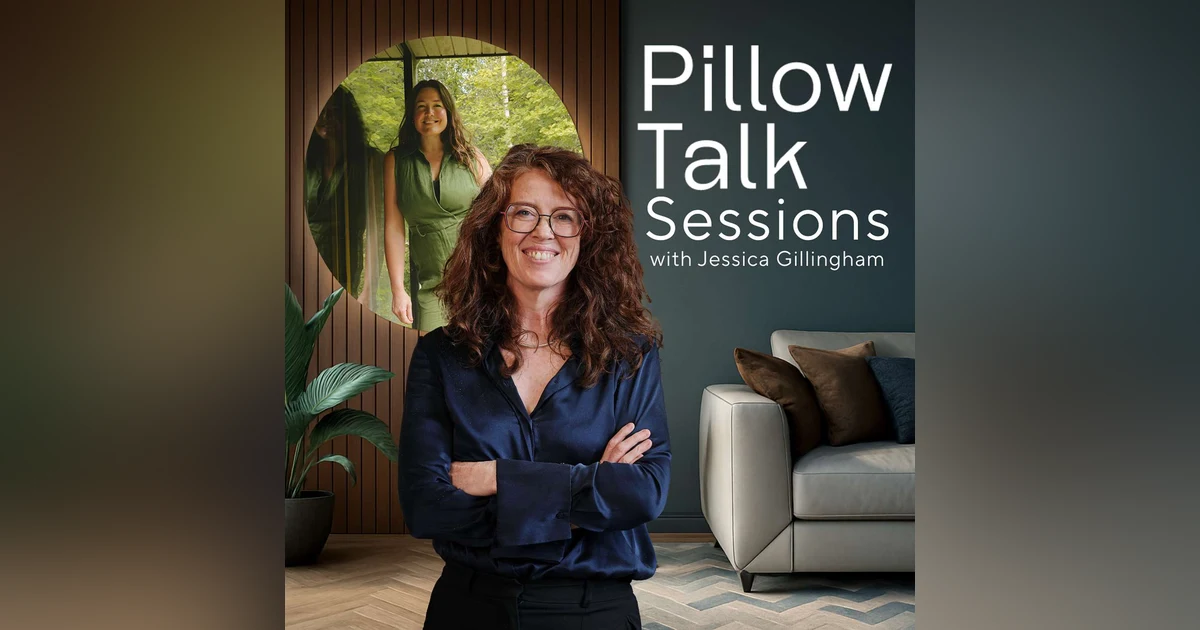
In this episode of Pillow Talk Sessions with Jessica Gillingham, Cathrine Reimann, Co-Founder of Landfolk, explains why disciplined curation, not scale alone, is the foundation of a successful short-stay marketplace.
Landfolk has grown from just 33 homes to more than 1,500 handpicked properties across seven markets. But unlike many platforms focused on inventory growth, Landfolk rejects roughly 50% of potential hosts in order to protect quality, brand integrity, and long-term community health.
This approach has produced unusually strong host loyalty. Nearly 60% of the original hosts who joined the platform five years ago remain active today, demonstrating what Cathrine calls “emotional collateral”, the trust and relationships that develop when hosts feel valued rather than treated as interchangeable supply.
The conversation explores how Landfolk balances technology with human judgment, using AI to support efficiency while preserving what the company calls “warm hands” in moments where human interaction matters most.
Key themes explored:
- Why rejecting 50% of hosts strengthened Landfolk’s growth and brand reputation
- How host retention became the company’s most important KPI
- The concept of emotional collateral and why it drives long-term marketplace stability
- How combining AI with human support improves guest and host experience
- Why Landfolk built an AI-powered search engine focused on vibe and storytelling rather than filters
- The importance of high-quality photos, descriptions, and reviews in an AI-driven discovery world
- How curated onboarding and host referrals maintain consistent inventory quality
- Landfolk’s pilot expansion into urban rentals in Copenhagen under strict regulatory compliance
- Why quality, not supply volume, is the company’s most important strategic value
For leaders across hospitality, short-stay, and living platforms, this episode highlights an important shift. The strongest marketplaces of the future may not be the biggest. They may be the most disciplined, the most curated, and the most trusted by the communities they serve.
#ShortStay #VacationRentals #HospitalityInnovation #MarketplaceStrategy #LivingSector #CuratedTravel #HospitalityLeadership #PillowTalkSessions
Meet the host of Pillow Talk Sessions
Jessica Gillingham is the Founder and CEO of Abode Worldwide, a strategic public relations agency dedicated to elevating the profile of transformative technology solutions in global hospitality, lodging, and rental living. An established industry thought leader, Jessica is a frequent conference speaker and author of Tech-Enabled Hospitality, a new book exploring the innovations shaping the sector.
Welcome back to Pillow Talk Sessions with your host, Jessica Gillingham. Today Jessica is joined by Catherine Raymond, CEO of Landfolk, a curated holiday home platform, redefining how quality and community drive growth and short-term rentals. They'll explore why Landfolk does know to have their potential hosts protect quality, how combining AI with human warm hands support shapes, the gets in host experience, and why storytelling and emotional search are changing how travelers discover their next day.
SPEAKER_02Catherine, welcome to the Pillow Talk Sessions podcast. It's really, really great to have you here, and I'm really looking forward to our conversation. But before we kind of kick into our discussion, could you please give an introduction to landfolk and to yourself as well for our audience that may not be aware of the platform?
SPEAKER_01Yes, for sure, Jessica, and thank you so much for having me. So my name is Catherine Reiman, and I'm co-founder of a platform called Landfolk. And Landfolk is a platform for hand-picked holiday homes. We started five years ago, we just had a big celebration with 33 hand-picked holiday homes in Denmark. And now we have, I just looked it up this morning, 1538 holiday homes across seven markets: Denmark, Norway, Sweden, Germany, France, Italy, and the latest Spain as well. And our concept from day one has been to handpick holiday homes. We wanted to be an alternative to the OTAs who have this massive amount of supply on their platforms. And we wanted to make it a lot easier for our guests to find these incredible, beautiful, lovely places to spend the most important time for them, which is their holiday. And uh I would say we have been uh really successful. We've um from day one also worked a lot on our host community, so made sure that you know the owners of these special personal places feel um connected to Len Folk as a company and as a brand, and always really valued uh transparency with them. And we see them as our our partners more than uh just suppliers. Yeah. So uh a lot of uh really exciting uh things have happened the past uh five years, and I'm I'm looking forward to digging into all of it together with you.
SPEAKER_02And that is a huge growth from 33 to over 6,000, from one market to now seven markets. And I know that you've got lots planned as well for for the future, but I just one of the things, you know, looking at your website and looking at the homes, which are all absolutely gorgeous. But they're gorgeous, but not luxury, as in they're not sort of out of range of the the normal person as well, which is, you know, really an interesting kind of approach you've taken.
SPEAKER_01I know for sure. And I I think we actually we have a lot of times where you know we've welcomed a new colleague or something, and then they're using the expression luxury, and everyone in the room is just like no, we're not luxury. That's not what we stand for. We don't want to be, you know, relevant for so few people. We we much more want to have personal homes and quality homes and homes, you know, that have the best locations and have hosts behind them that are you understand the role of hosting. So those are kind of more, you know, down-to-earth almost criteria that we have.
SPEAKER_02Yeah, no, it's quality over luxury, which feels, you know, it's not I wouldn't say bucking the trend, absolutely not. But luxury, you know, everyone wants to be luxury, very few actually are. But it is also a market that is growing hugely in terms of demand and and and um all that sort of side of things. So to have a platform that is proud in its fact that it is for, you know, it's beautiful homes for normal people, I would kind of presume. But one of the things I want to explore with you, Catherine, is growth and how you do scaling by holding on to your values and also the quality of your inventory. Because that is a difficult thing to do. Like it would be really easy to just sort of take on all the kind of properties everybody, I'm sure you have tons of people that want, tons of owners, hosts that want to be part of land folk. But having that sort of hand picking, if you like, is your operational philosophy. How does that play out with you guys? And how does that then impact your scaling?
SPEAKER_01Yeah, so it's and I think we've had this conversation so many times, right? Because from a commercial perspective, you know, where we're historically we've said no to 50% of the of the uh hosts or potential hosts who are applying with us. Uh and you know, for us, I think it's just become really clear that it is possible to scale. Like you were saying, I think we've had almost 3x growth every year on our supply since we started. And it is possible to scale, but with constraints. Um so we can see that by saying yes to the right houses for our uh brand and for our platform that you know are qualifying from the criteria that we've set, we're able to get much better inventory, right? It's much higher quality uh houses. And we would rather have, you know, 10 of those instead of a hundred of low-quality houses. So from a GPV perspective and you know, from a really strictly business perspective, it makes a lot of sense for us because it's it's uh high-quality houses that we're we're getting. And you know, we're also able to just the the experience for our hosts that they are chosen already, you know, it sets the the bar for a really beautiful relationship with them where they can really see, okay, you know, I am chosen for because my house is as it is, you know, that that just sets uh the relationship off right. So not only are we scaling with better high-quality houses, we're also getting better relationships with the houses, uh, the hosts that we're we're accepting onto the platform. And at the end of the day, you know, all of this is of course for our guests as well. It's uh, you know, to make sure that our guests uh are, you know, have an easy, lovely time finding the place that they should spend their holidays. And then when they arrive, you know, they should also think that this is a lovely place. And they should uh leave again having refueled and and having the exact right frames for them to have a really, really wonderful time. And that means that they'll be returning to us again because we're keeping that quality so high. So, you know, it's I think with uh almost three times 3x growth a year, you know, we are we are really scaling well and putting our quality as a as a constraint is actually only helping us.
SPEAKER_02That's excellent. And having moderated quite a few panels with OTAs and sat in at conferences, you know, a lot of conversations with the big OTAs, especially over the last year or so, the conversations all around quality and the kind of, I guess the frustration for for them that a lot of their inventory, maybe 25% of their inventory, isn't really bookable. Or if it is, it's you know, it's not a good, good kind of experience, should we say? So I feel like what you guys have done from the beginning is knew that. Like that you're you're solving that quality inventory issue right from the beginning by making sure that's part of that operating philosophy, if you like, that you have. But it must be a difficult one to stick to, you know, as you've got ambitions to go elsewhere. So how do you like what are the sort of the practical ways that you make sure that any new property and new host fits fits your philosophy?
SPEAKER_01Yeah, so I mean, I think the the first practical thing is hire the right people to uh to onboard uh our our host, right? So it's um, you know, we are incredibly AI and tech enabled, of course, but we we really value having people go in and in Danish you have an expression smey stumma, which is kind of you know a judgment call kind of thing. And we believe that that is that is going to be humans that are able to make that right now, anyways. Um and I think you know, so hiring the right colleagues to do this, we have a pretty intense uh onboarding session, uh, sessions where you know we go through uh why is this house a good fit, why is this house not a good fit, and so on. And I think that has that makes a really, really big difference that this is something that's uh human-dependent, the qualification. Then we also have a lot of, you know, we have five years of expertise and experience doing this now. So we can really quickly see, okay, if we, you know, there are only photos of half of the house or only in some corner, you know, it's uh that's a really quick indication of us, okay, we need more photos of this place before we can validate whether it's going to be a a good stay or not. And then we have conversations with the hosts, you know, just uh talk with them, understand, are they is this a place that they're, you know, enjoying their own time at? Um is the is this uh a place, you know, where they go to unwind themselves and enjoy spending time with their families. And if they are, it's a super good indication for us that that that means that this house is going to be uh really, really uh you know thought thoughtfully designed and and uh a good experience. Yeah. I think those are are some of the main um guidelines that we have. And then I I will also say, you know, one one thing that we're really seeing has been efficient for us is uh host growth. So where we have our hosts recommending other hosts to join the platform. And just, you know, once we have once a host has become onboarded with land folk and is starting to share their place and then they then they understand the brand and our values and everything, you know. And if they are recommending someone, then they also are feel almost uh a sense of pride of like, okay, I'm going to keep the quality up, right? And then some so we have really good experiences with hosts recommending other hosts because we can see that those are the very, very best. Um because everyone is interested in keeping the quality high.
SPEAKER_02It's interesting because you're you've put so much you put a lot of focus on your customer experience, whether that is the guest or whether it is the host owner as well. Now, I've been talking to property managers recently. Over the last few weeks, I've had a number of conversations with property managers, which is a different model. But quite a few of them were were saying to me that their biggest issue is churn of owners and properties. How is your churn? Because it sounds like you really are mitigating against churn from your hosts and owners, but and and you will have a natural attrition there, absolutely. But how is your churn? Like you don't need to tell me the exact numbers or anything, but how is it, you know, are you are you proud of your the churn that you have? Like, how is it?
SPEAKER_01Yeah, I I mean that is it is I think our almost our number one KPI, right? Or like uh uh metric that we look at because it is such a easy way to spot platform health and community health and host uh health, basically. Um and it is very, very, very low. Um we have natural churn in the sense that our uh sometimes our hosts sell their holiday homes. Um we have all of it, we're we're I didn't mention this before, but we're seven co-founders of Landfolk, and we all had um we worked together at the Airbnb before. So, you know, a lot of the good flexibility that is, you know, one of the main strengths of Airbnb is also something that we are feel is the best way forward. So we don't have long contracts for our hosts, we don't tie them to the platform legally, all of these things. So for us, if a host comes and says, Oh, I need to uh sell my holiday home, you know, then we say, Okay, but that is that's totally uh that's totally fine and acceptable. Tell the new owners about land folk as well, kind of thing. So that obviously brings some, I think we uh usually call it healthy churn or like valid churn or something like that. And um yeah, so so it's we have a very low churn. I think it's something uh we take immensely seriously. I remember talking with um one of our competitors colleagues a while back, you know, and I was asking like, so what is what's your churn generally? And he said, a hundred percent, you know, and I was like, what? Like what what do you mean? And he was saying like, yeah, well, I mean, they, you know, bring in uh owners and then they have a contract for a year and then they end up really unhappy, and then they have to find a whole new set of owners the next year, right? And it was just mind baffling for me because our our setup is so different. Like we invest heavily in each and every holiday home that we that we accept to the platform. It's just uh it'll be a terrible business model for us if we say goodbye to them after a year already. Yeah, I actually I just looked into uh the 33 uh houses that we started with five years ago, uh and we have 60% of them are still part of the platform, actively uh sharing their houses. And the 40% all uh were because they've sold their houses. And I think that just goes to show, you know, if you invest in your host and you have a good relationship with them and they feel that they are part of something, um, I think that uh that really uh that really goes a long way, along with also, of course, getting them bookings and getting them bookings with guests who really understand that this is a personal space that they're entering, and it's uh it's something that you know you have to take care of and uh be mindful of and appreciate. And I think that really, really helps on on any churn um issues.
SPEAKER_02It's you're really highlighting the importance of emotional collateral, not just the commercial relationship, which is obviously you know very fundamental, but having that emotional collateral, that emotional connection with your with those customers, your host customers, is so important that feeling part of.
SPEAKER_00Just a quick pause in today's conversation. This episode of Pillow Talk Sessions is brought to you by Abode Worldwide, the strategic communications and public relations agency partnering with ambitious hospitality tech brands to build brand authority and create category leaders. From thought leadership to global media relations, Abode helps the companies transforming how we stay, operate, and experience hospitality to tell their story with impact. If you're a tech company shaping the next era of hospitality, learn more at abodeworldwide.com. All right, let's get back to the conversation.
SPEAKER_02I want to talk to you about tech, actually, and and and humanness. And you talked, you talked about it on one level around how human judgment, when you're picking properties, you've obviously got automation, you know, for part of that journey, but then it's human judgment as well. But in our prep call, you use the most lovely phrase. I'm not gonna say it in Danish, but in English you translated it as warm hands. So talk talk to me about how you use in other parts of the business technology, but then you've also got that that part of it. And please say the the expression as well, in the way Yeah.
SPEAKER_01So in Danish we have an expression which is literally translates to warm hands, right? And it is that, you know, that that human touch that only humans uh can bring. And I think, you know, one of our advantages and also possibilities right now in you know this AI-enabled day and age is figuring out where can we place these warm hands, these vamahina, in the most, you know, uh both optimal but also, you know, uh the the wisest uh positions in in a flow that either a host or a guest uh will enter. And I think that's I think it's so difficult and it's so much fun to see, you know, where is it we can make a difference. We have um I think our two biggest, we have three big teams. It's our product, of course. They do a lot of uh of really, really important things. And then we have our supply or our our host experts team is um is also uh the the biggest, and along with our guest and host care team. And you know, these are teams that would traditionally be big, right? Because that's uh that's how we would usually go to it. And what we're trying to see is okay, how can we how can we make sure that we we're using these warm hands in the right spots? And how can we make sure that tech is enabling these warm hands instead of overriding them or you know, over that job? And I think, you know, it's a host will care less about what email they're getting more than they'll care that they can talk to a human being and share the story of their holiday home. So the the telephone conversation is something that we really, really prioritize. Um just the same as, you know, a guest who is having trouble, you know, locking themselves in or something and you know, have a frustration, of course, and you know, just need to talk to a human. They need to be able to get access to a human right away. Whereas the Wi-Fi codes and um, you know, uh a lot of information about the holiday home, they can just as well get sent with technology. So we're really trying to map out, you know, where are these pain points or these opportunities where warm hands can make a difference? And then that's what we're doubling down on and using our teams for.
SPEAKER_02Yeah, and I guess this is a journey that many in hospitality, or many actually in retail, in in any kind of place that you have customers uh working out where where do we place the warm hands, and maybe that'll change as well as other technology comes out, but or where can we what can we have the automation? But I think you made the point there that the phone, making sure that it's human on the phone is a place, maybe that's your last frontier that might go or may never go. And I was listen, I was actually listening to a different podcast in a totally different space yesterday where the founder of Dermalogica, Face Face, was talking to Katy Kay, who's my hero journalist, BBC podcaster as well. They were talking about how the phone is where you mustn't, you know, you must have the humans there for customers who want that bit.
SPEAKER_01Yeah.
SPEAKER_02And I'm sure many operators have made the mistake of thinking it's okay to have a chat box answer. And maybe in some cases and and some, you know, some places that that does work, you know, depending on their brand values and things. But um, but yeah, I I love that warm hands. I want to talk with you a little bit. Actually, we stay on if we if we keep on, let's say, AI and LLM discoverability. And how because it's when we did the prep call, we talked about this, but there's been a lot more about this now, you know, in in the press around how LLM discoverability and AI and is changing the way that people research and buy travel products. But it's it's an interesting one as well, because it's not like it's it's it's not yet changing, like it's changing on one level, like all the research is changing. We can't actually the purchase bit hasn't yet. But as land folk, do you like you must be thinking about this and how you're going to approach things as it continues to shift in the way that travelers are buying travel products? So, what is your philosophy at land folk to kind of mitigate risk here, but also to capture opportunity?
SPEAKER_01So I think we um I think we actually started with the with the realization that there are um right now two types of people, two types of guests. There are the guests who love to do thorough research on their travel and you know spend hours and hours and hours of just, you know, inspiration, digging into it, figuring out, you know, finding that gem in this mass, mass, mass sea of OTAs. Um, and then you have the guests who are married to that first person, you know, so you have really, really different approaches to finding uh the right holiday home for you. So what we've actually done is use AI to make it a fun experience for uh for everyone. That's that's what we're aiming for. So, you know, in a in a traditional search, if you're you're sitting, then you know, you can either ask uh Chat GPT, where should I go, or you can go onto a platform and then you use filters and uh you say, okay, I want um a hot tub, and uh we're gonna be uh two adults, two kids traveling in this region kind of thing. And then you put in the dates, and then you get a lot of houses that may or may not match what it is you're looking for. So we've developed a visual search engine, uh, which is AI um powered, where you know you can go in and you can write a family holiday with preteens. I want a super nice coffee corner, and I want to, you know, have a large shared space of. that we can hang out and play games. And that was probably a very long search thing. You don't have to write it out as a sentence, but you can just kind of write, you know, what are the what's the vibe or the feeling or, you know, the what is it, you know, emotionally that you're going for for this holiday. And then we use that search to find, you know, all of these relevant holiday homes that either have, you know, a super nice shared space where you can see a photo of that shared space right away. And you can see, you know, and there's this place also has a coffee corner, right? And it has ceramic coffee cups or whatever it is that you're that you're searching for. Or you can say like, I want somewhere that's uh you know super 70s architecture inspired. And then you'll find those kind of places or 60s or you know like I mean there we have so many different thoughts and you know wishes for what it is our holiday home is going to give us that it's difficult just to put it into filters. So it's basically, you know, we're trying to take that conversation that you could have on an AI as ChatGPT or whichever is is your preference and have that conversation possible on landfall instead. Then match it directly with the photos that we have of our holiday homes that m are matching that vibe that you're looking for.
SPEAKER_02It's a real shift from search being search to search being storytelling. Exactly yeah and for somebody like me who doesn't like to do a lot of research I'm in that camp. Just being able to say you know this is the feeling that I want when I'm on this particular trip or vacation and then getting the inspiration comes back, you know, is is is great. Is there anything else though with LLM discoverability that you guys are thinking about?
SPEAKER_01You know, particularly in terms of people are using the platforms like chat or Claude or Gemini I think what we are realizing is that that quality is really important in that mix. So just making sure you know that it's easy to see that this is high quality and uh that good photos and good descriptions of the places and yeah and I think it's being really consistent as well is so important.
SPEAKER_02And I guess that ties into the quality as well. Like you you you know what your value proposition is you know what you're offering. So you've got that ability to be a category leader if you like around that narrative.
SPEAKER_01And also I mean good reviews I think also really playing into that.
SPEAKER_02And then Catherine what's the plan for land folk? Now I know you got Series A, I think was it in 2024 have now expanded into the seven countries not just the Nordic but you I think it's Spain and Italy that you that you and France and France as well. Yeah any what are what what plans would you have do you have now? Like where would you like to be what might be shifting and changing around what you're doing at Landfolk?
SPEAKER_01Yeah so we are um I mean I think we like 80% of our focus now is about doubling down and you know making sure that we get a a good market share in the in the countries that were present today and you know just make sure that everything that we've been doing the past five years that we get even better at doing that. And then we're also you know from from the very beginning we um we were really you know constantly asked by our guests who you know because our concept today is that we are a fully remo uh remote areas so it's holiday home places that are outside of the city located in nature. And we we've had from from the very beginning we've had guests who say like okay I you know I would love to go spend a week at one of these you know holiday homes outside of the city and what do I do then when I need you know want a couple of days in the city and uh and and you know because of that we are we're going to be doing a pilot in uh Copenhagen as our first urban destination and we're mostly going to actually have our hosts who have their holiday homes as part of land folk and that live in Copenhagen they're uh they're also going to be trying out with us how is it to share their apartments in an urban setting with you know the same approach that it is we're handpicking it's a quality over quantity and then very importantly we are uh going to be fully compliant uh with the legislation in Copenhagen so we see that as you know I think sharing your home whether it's your second home or your primary home is fundamentally such a beautiful thing and you know should protect it also by the legislation that there is in each country. So in Copenhagen for example there's a 70-day cap uh so you can share it with guests 70 days a year and that's something that we'll we're building directly into our platform so it isn't possible to do that. So we want to be responsible for this pilot and for all the if if we uh decide to continue and you know have this as an alternative to sharing your your home in an urban setting every once in a while uh with guests who really are uh mindful of this being a a home um and you know who want to experience the the city authentically um and responsibly as well so I think that's it's going to be a very very exciting uh time for us to uh to try this and see uh see how that works out and I you know it's it's not because our focus in any way is shifting we are still mostly focused on holiday homes that is where we uh we have of our supply today it's where we have really beautiful uh relationships with our hosts and where we uh we we know we can find the right guests who want to experience this it's actually we've just uh we're talking a lot about this uh YOLO instead of uh FOMO fear of missing out it's the yearning to miss out or like it's you know it's the being excited about not being a part of everything like I think that's what we can really provide our guests in a holiday home setting that they can just you know escape a reality basically and now we want to see you know how is that going to look if instead of this really intense nature experience we can give them a culture experience instead but do it in a in a really responsible and and still quality focused kind of way.
SPEAKER_02But I think it'd be really interesting to see what it's like renting out your host's primary residence compared to their their holiday homes. Like there must be assumptions that you're making but you may you know as the pilot goes on see where there might be challenge there or not.
SPEAKER_01Yeah I think we are going to learn so much and I think it's also you know starting out without having all the answers is also a really big part of our DNA you know like I I mentioned when we started Landfog you know we had no uh features you know we five years ago when you went on the platform you couldn't see the price for what a stay would cost. You we didn't have a calendar you know these these you know when I think today like how did we even manage to I think we got bookings in for for half a million uh euros within a very very short time right uh without having all these answers to uh to to the questions and I think that's how we're approaching uh our urban pilot as well you know we've got the fundamentals down we've got the first um hosts uh onboarded with apartments in Copenhagen we understand and you know fully respect the the legislation that is in the city and then we need to see all of the unknown unknowns um and and to handle them along the way brilliant Catherine this kind of helps me to come to a wrap up question that I want to ask you and as you scale and grow and and and and continue to iterate I guess what Landfolk is what is a value that you absolutely will never let go of as a company and as a brand? I think the most important value if um you know I I could if if I have to say like the number one value I think it's quality. That's something that we will never let go of I think under quality there's a lot of uh for me anyways there's a lot of things nestled under that so it's uh you know being um a uh a a responsible company it's uh treating our hosts uh warmly and respectfully with respect and it's uh making sure that our guests you know when they have their booking experience and when they arrive at the place they feel that this is a quality place for them you know so quality for me is is this massive thing almost an an umbrella for our entire organization and the experiences that we want to give both our hosts and our guests so yeah I think uh I think quality is our value number one and uh without without that quality we uh you know we'll we'll just be another OTA with a lot of supply.
SPEAKER_02And I think that the warm hands that you talked about that really fits there, doesn't it? It's uh it really fits of what you're doing is is that quality of where to put the warm hands, where not to very intentional about what you guys are doing. Catherine thank you so much for coming onto the podcast. We will put in the show notes all about land folk and how people can get in touch and I would urge any listeners to do check out the properties they are absolutely gorgeous. But is there anything else you would like to say is there anything that you know that you guys are doing over the next few months that you'd like our audience to know? Anything you'd like that?
SPEAKER_01Yes thank you Jessica so much for having me um it's uh it's always fun to talk about the landfolk but uh for sure I mean follow uh follow along on uh we have an Instagram that we spend a lot of uh effort on um and you know I can I really urge go in and try out our uh our inspirational uh search it's uh even if you don't have a holiday specifically that you're looking for it is a lot of fun to see you know okay what actually matches this kind of vibe or or mood that I'm uh that I'm dreaming about then you can um get a lot of inspiration for uh for these beautiful places that we have wonderful Catherine thank you so much yeah thank you so much and that wraps it up for today's episode of Pillotalk Sessions with Jessica Gilliam thanks so much for listening and if you'd like to stay connected and never miss a conversation head over to Pillotalksessions.com to subscribe you can also follow us on LinkedIn for more insights and interviews with leadershaping the future of hotels short term rentals and tech enabled hospitality thanks again for tuning in and we'll see you next time on Pillotalk Sessions


