Bridging Hospitality and Build-to-Rent with Iain Murray (Bidwells)
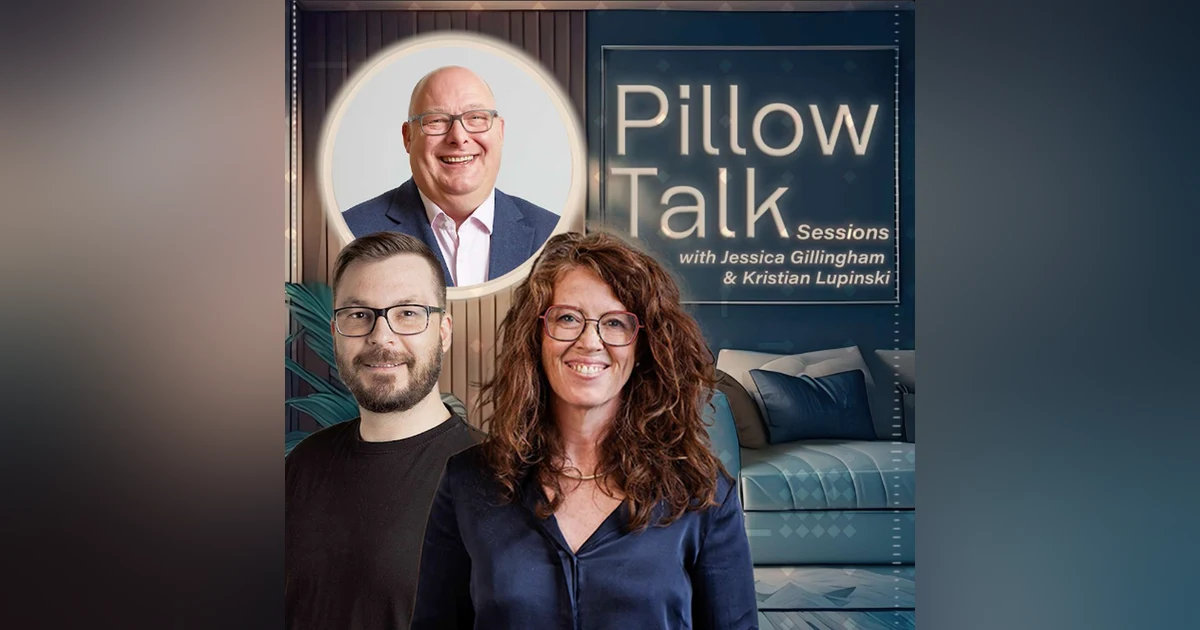

We’re thrilled to announce the launch of our very first episode of Pillow Talk Sessions! 🎉 In this premier, we’re diving into the exciting convergence of the hospitality and Build-to-Rent (BTR) sectors with our special guest, Iain Murray, Head of Operational Living at Bidwells. 🎙️ What can you expect? 🏢 How the BTR sector is learning from hospitality to enhance resident experiences. 👥 Why building a strong sense of community is key to resident loyalty and retention. 📐 The im...


 RSS Feed
 We’re thrilled to announce the launch of our very first episode of Pillow Talk Sessions! 🎉
In this premier, we’re diving into the exciting convergence of the hospitality and Build-to-Rent (BTR) sectors with our special guest, Iain Murray, Head of Operational Living at Bidwells.
🎙️ What can you expect?
🏢 How the BTR sector is learning from hospitality to enhance resident experiences.
👥 Why building a strong sense of community is key to resident loyalty and retention.
📐 The impact of innovative space design on creating more flexible, engaging living environments.
💼 How talent from hospitality is reshaping BTR with a customer-centric mindset.
Join us as we explore these fascinating insights and more with a true industry leader.
🔔 Tune in to our premiere episode and be part of the conversation shaping the future of hospitality and rental living!
#PillowTalkSessions #PodcastPremiere #BuildToRent #Hospitality #ResidentExperience #CommunityBuilding #SpaceDesign #OperationalExcellence #FutureOfLiving #BTR
Meet the host of Pillow Talk Sessions
Jessica Gillingham is the Founder and CEO of Abode Worldwide, a strategic public relations agency dedicated to elevating the profile of transformative technology solutions in global hospitality, lodging, and rental living. An established industry thought leader, Jessica is a frequent conference speaker and author of Tech-Enabled Hospitality, a new book exploring the innovations shaping the sector.
Welcome to the Pillow Talk Sessions podcast. This is our very first episode. My name is Jessica Gillingham, and I am joined by my co-host Christine Lipinski. And in today's episode, we're going to be chatting with Ian Murray, who heads up Operational Living for Good World. And we'll be chatting to Ian about that convergence that we're seeing around hospitality, the living sectors, and build-to-rent. So I'm really looking forward to this discussion today.
SPEAKER_03Yeah, me as well. And I'm excited to explore with Ian, you know, how the build-to-rent sector can adopt hospitality practices to elevate resident experiences, you know, whether it's from improving customer service or, you know, creating a more engaging and community-driven environment.
SPEAKER_02Ian, welcome to Pillow Talk Sessions. Really pleased to have you on the show today and looking forward to our discussion. So thank you.
SPEAKER_00Yeah, thank you. I'm uh pleased to be here. Looking forward to a lively discussion over a few interesting topics.
SPEAKER_03And I I think before we get started, Ian, maybe you can share a bit about your professional background and the path that brought you into your current role as head of operational living at Bidwells.
SPEAKER_00Oh, blame me. Then I I I believe we've only got 59 minutes, so I better rattle through that quickly. Uh uh started off in architecture, moved into facilities management, did a large quantity of uh healthcare uh projects, so built those across the whole of Scotland and the north of England, moved into a large development uh and consultancy called Gardner and Theobald, uh, did a large amount of public and private partnerships on schools and hospitals, and uh and then subsequently started doing estates rationalization. And I spotted the build-to-rent or PRS market, as it was called, about uh 12 years ago. It piqued my interest because I could see that it was a capital expenditure project uh that people weren't really understanding the operational side at the back end, and that was something I did know a lot about. Um, so I started consulting on that. And uh 60,000 homes later, here I am. Um, I joined Bidwells in May of this year uh as head of operational living, covering sort of nine of our different uh disciplines. We're a multidisciplinary business, uh 60 million ton over 600 people. Uh and I am part of a fairly ambitious growth program that we have uh to build this business up to being about twice the size that it is at the moment in the next five years. Pause.
SPEAKER_03It's a wealth of experience, and uh I I know it's gonna add into today's conversation. So I I think we should just kick off and rate right at the beginning here, you know, the convergence of hospitality in the built-to-rent sectors. You know, how are the hospitality and BTR sectors converging? And you know, what lessons can the BTR sector learn from hospitality industry in terms of enhancing resident experience?
SPEAKER_00Um, well, it it it has taken us a little bit longer in the UK to catch up with what is already a very established um hospitality approach to residential living in the US. Uh, and uh my former employers, Cortland, uh, who are a leading light, I think, in the US on the on the kind of hospitality approach to looking after residents in a residential setting. I mean, in Britain, we took a while uh initially really just um flipping what was buy-to-let projects into the PRS sector, so there wasn't really much amenity or service levels in the in the initial phases. And I think over the last sort of seven or eight years, in particular, as we've matured in that market, the kind of crossover between um you know residential management in its traditional sense in the UK and hospitality in terms of uh a customer service-driven approach to looking after people has very much risen to the fore. Uh, and I think now any uh built-or end developer operator uh with any kind of metal is is really looking at a product that is you know servicing uh people's living needs as opposed to just being a capital expenditure project like it traditionally was in residential development.
SPEAKER_02So, I mean, Ian, one of the things that we're really interested in exploring on this whole kind of pillow talk podcast series is that how the build-to-rent and hospitality and other living sectors are sort of converging together, and also how it's really looking at a customer-centric way of doing things, sort of a resident first in a way, way of doing things. And do you think that is there, is there any, like you're obviously looking at it and it's it's it's it's that kind of hospitality angle and really being service-driven, I guess, is what I'm trying to say. Do you think that there is any point where Bill to Rent will get that so good, will be so good at the service level, where it will almost be a bit indistinguishable from hospitality in a way? Like it is just incredibly service-led.
SPEAKER_00That's a brilliant question. Um, I mean, I think that would be the Nirvana, I suppose, because you know, if I was to observe uh what I've seen uh in the US, uh I I mean I think the convergence is almost complete there. Uh I mean, people who work within uh the multifamily market, you know, are hospitality-driven people. I mean, if you've if you've walked about any community, and even if you've done that with the facilities manager, the facilities manager is a service-driven person. He's all about, or she is all about, you know, making somebody's life better by fixing whatever's broken and and getting them back on stream as fast as possible. You know, I think that um that convergence is it's got to be what we've got to aim for because uh we have to distinguish ourselves from what is a fairly boring market of residential management. I mean, if you're a you know living in a buy-to-let property, you've got a very remote relationship with uh an agent, you've almost you've no relationship with your landlord, and to a certain extent, you're not really living in a community, you're just occupying a an apartment within a whole load of other apartments. So there's no real reason or um facilitation for you to engage with other people around about you. In a hospitality setting, you know, there's a real um want for the for the management company to you know bring its residents together in a community because you know, in a in an environment of community-driven customer service, people are sticky, they stay, you know. It's a bit like brand loyalty in a hotel. You know, I I I continually return to a certain brand or two of hotels because, and I'm a very frequent traveler, because I kind of know what I'm gonna get. I'm gonna get a decent service, I'm gonna get the right price, you know, I'm not gonna have anything that's gonna annoy me or I'm gonna complain about. And, you know, so so therefore I've got that loyalty. And I think you know, that's what we're striving for in the BTR or multifamily market, is to really give people a the kind of living experience that makes them think, I want to stay here, I'm gonna stay here because I I'm looked after, I'm cared for, the people remember me, you know. I like every last one of us has been to a restaurant more than once because they've remembered us and they've you know said, oh come in, you know, you know, we know what you like. Here's you know, here's your here's your favorite dish that you like. And you know, that's the kind of uh that's the kind of approach that I think living is is aiming for. Um how far away are we from that? A little bit yet. Um it's not really in the uh uh the British culture to be very, you know, have a nice day, you know, very kind of uh in your face, almost service-driven. Uh, you know, that that um that kind of approach is is not as comfortable to us in the UK as it is in the US, for instance. So we have to take a slightly different approach and just culturally make customer service a more, you know, more focused part of what we're trying to do for our residents, but not perhaps you know, too overtly so that they feel as if it's kind of being shoved at them actually as you know a service as opposed to uh uh anything else.
SPEAKER_03I think I think we should talk a little bit about that, as you mentioned, you know, especially the different cultures and things like this. But you know, the the general you know, residents and their expectations um, you know, before, like you said, just you know, get a key, here's your rental, have your landlord see you later. Now it's shifting into this kind of hospitality, concierge, you know, extra amenities. You know, how are residents' expectations you know evolving in the BTR sector, whether it is the UK or the US market, and you know, how can developers um, you know, kind of cater to that or uh uh adapt because now there's a whole new uh level on top of you know they're what they're providing for the residents.
SPEAKER_00So I think there's um there's a divergence and a crossover between what you would describe as customer service and amenities. So I mean I've seen absolutely awesome customer service being delivered in what would be described as an amenity-like type project or a project that doesn't have all of the bells and whistles. And and in in a similar sense, I've seen you know incredible amenities and incredible customer service converge. And you know, people have enjoyed uh you know living in a very high immunitized, very high serviced uh apartment type or home. You know, I think both those things diverge because of cost pressures and you know, amenity light is uh typology that's emerged a bit because uh viability and cost pressures have come on the development, so therefore, you know, you know, taking down the level of service and the level of amenity has been a necessity to afford to deliver the homes at the right price. And then at the other end of the spectrum, people do go to five-star hotels and four-star hotels because they can afford it and they love the service, and that's the lifestyle choice that they've made in a similar environment exists within you know the built-to-rent sector. In the US, from a cultural perspective, multifamily is, you know, I don't know what it is, 37% of the tenure type in the US, whereas we're less than 2% in the UK. So our ability to influence is low still, and not because we don't have a desire to influence, because we definitely do have a desire to influence, you know, people's living experience, but we just simply haven't got the volume to have made the impact. I mean, there are still the vast majority of people who are renting in the UK would probably still not really have an understanding of what a build-to-rent development was. Whereas if you're in renting in the US and you mentioned multifamily, everybody knows what it is. And uh, you know, some people will live in it and some people don't. Uh, and if you choose to live in it, you probably know exactly what you're getting, you're getting a service-led uh development. But I mean, again, if you go to the US, you know, amenities have a different um um, you know, definition there. I mean, if you're in the southern states where Cortland, my former employer, is then a pool is amenity. You know, having an outdoor pool and the sunshine is the place that you go and crowd around with your friends and cool off and such like um they don't have those in New York upstate and uh various places where the temperature and the climate is different, and they very definitely don't have very many of them in the UK, although there are one or two exceptions to that. So, you know, immunity by definition here tends to be more of an indoor immunity, and we sort of probably focus on things that bring people together. So, I mean, gyms are you know evolving as a very kind of um almost expected immunity, whether or not you're on immunity light or an immunity heavy. Um, but most developments now are kind of incorporating a gym. But whether or not you have a co-working space and a lounge or a co-working lounge or a lounge, that that's maybe open to sort of slightly different interpretation. And in the US, that's not a very prevalent thing at all. Most of the lounges that I've ever seen in the US are actually leasing suites that are used when people are first coming into the development and they want a place to sit down and relax and talk about their um their leasing experience. So, you know, I think there's there's different definitions. Um, so for me, service is a constant that needs to kind of transcend whether or not you've got lots of immunity or less immunity. And I think you can see in the UK, uh, Homeviews, um, which is probably the TripAdvisor standard for uh for rental in the UK now, um it it has low immunitized developments winning awards at quite a high level and scoring very highly because the customer service is recognized as being very good. I'll not name those who I would be referring to, and that I would be a disservice to them, perhaps. But you know, I think uh I mean it is interesting that the kind of very high-end, the perceived high-end um built to rents, you know, score well, but sometimes don't actually score as well as the ones that are kind of you know more average or vanilla, um, but just have a higher degree of customer service focus. So it is interesting that um, you know, when we talk about convergence of hospitality and um the residential and built-to-rent living sector, that if you don't recognize that the service part of it is one of the most important parts, you can build a gleaming tower, but if you don't deliver good service in it, then you're kind of wasting your money.
SPEAKER_02Absolutely. I want to come and talk to you a little bit about the service thing, but I just want to say something first. And you you said that you know, over here in the UK, multifamily is known in the US. You use that term, everybody knows what you're saying, if you you know, in general conversation. But over here, people don't know what build-to-rent is. Now I live in Bath, and within half a mile of where I live, there's probably about six buildings going up, build-to-rent buildings. And I think they're a mix, there might be a little bit of student housing in there, but I think they are build-to-rent and co-living. They actually have on the boards outside, it does say build to rent. But if I was to ask 10 people, you know, what kind of building are they? Not one person would say build-to-rent. Somebody might say it's student accommodation, which I actually don't think it is, but they wouldn't know what it is at all, and they wouldn't understand, you know, they wouldn't even maybe recognise that term if it was said. So I just wanted to say something about that, and about that sort of just that education piece, I guess. And it's still it's so it's still a very small, it's only 2%, as you say, um, over here. So that's got time. The other thing though that I wanted to say about, and you made such a great differentiation there between it's not just the amenities that make it a great experience, it's actually how you feel and how you're made to feel, and and that service-driven sort of side of things. But how do operators make sure that they've still got the profit margins that they need, despite sort of putting more investment either into amenities or into the customer service side?
SPEAKER_00With like enormous amounts of hard work. Um, you know, I think, you know, just taking over the last few years between the pandemic and us coming out of the other side of the pandemic, and then in the UK, a very high inflationary environment, and everything has gone up in cost, you know, Brexit has an impact, um, you know, um uh people costs have gone up, you know, consumable costs have gone up, construction costs have gone up. You know, so it it is very it's harder to make money because at the end of the day you're having to spend more of it to do um the same amount, you know. So there has been rent growth, and we have to be slightly, you know, cognizant or careful of too much rent growth because it becomes a political football after that, and people don't like um increasing costs at too high a level. Um so you know, people are or and the developing sort of build-to-rent market, the operators are having to work very hard in order to uh continue to live to deliver you know customer service that people recognize as being excellent. And we've got to also remember, you know, in a nascent uh industry, there is a continual lack of um skills within the sector until the sector itself has grown to a sufficient size to attract people in. You know, so if you're to take your point about people not really knowing what the sector is about, I mean if you're a uh a university or a college student, you know, are you really making a conscious decision to go and target the build-to-rent or the multifamily or the living sector or the PRS market, whatever you know, business to business descriptor we want to use for it? Are you making a conscious decision to enter into that market? You're not likely to be doing that because you probably don't even know it exists, to be honest. You might recognise PBSA or purpose-built student accommodation because you're probably living in a PBSA block, but how much knowledge have you got of the next stage, which is co-living? Because there's a very small amount of that build-to-rent, that's probably just a little bit unattainable for you when you first come out of university. So, you know, I think um, you know, until we have a more mature market and have done the transitional training of bringing people from other sectors into the the build-to-rent sector, let's just call it that for now, you know, we won't have um, you know, that uh growing base of people to pick from. So what tends to happen in the market at the moment is anybody who's got any real you know skills and is recognized as being good at their job are are an instant target for all the other operators because clearly they're finding it very difficult to find people who can do that job well. So, and equally, you know, I have to observe that there are people who are not good enough at their job who are getting promoted very quickly because there isn't other people to pick from. So, you know, if you're going to target high degree or high levels of customer service, but what you've got to do is recruit people who don't quite understand it or not quite good enough at delivering it, then what you end up with is average customer service, and people get kind of um you know you know annoyed that they're not receiving the service that they were told that they were going to receive when they saw the big, you know, glossy welcome uh uh experience. So yeah, we're in that point in the market or in the sector where there's lots of kind of fluidity as to uh what how the transition is happening, where people are coming from, how we're growing. And you know, there is still quite a lot of shaking out to do, you know, that before the market is really, you know, able to stand and say, this is what you're going to get. People understand that that's what they're gonna buy, and then the service that they're delivered is what they expected. Um, you know, we're still working hard to do that. And you know, people who are prepared to take a slightly lower margin to facilitate that by putting more people on the ground are probably the ones that you know can expect to be delivering the best customer service because that's it costs money to do that.
SPEAKER_03No, it's uh really interesting. Is there something I want to dive a little bit deeper into is that operational excellence and customer satisfaction. You know, how how can technology be leveraged in this instance in order to connect with that that that group or that residence? Um, is it being utilized to its highest capabilities now, or how do you see that uh evolving?
SPEAKER_00So, I mean, let's just take the demographic that we're targeting. You know, we are talking about people who are post-university PBSA, so probably in their mid-20s, and they're going to be with us until they're mid to late 30s because people are getting uh moving to the next stage of their life later in life. So let's just say that we've got a decade of capturing people between 25 and 35. As a 56-year-old millennial myself, I am technology driven. I love my phone, I love my app, I love my technology. So, you know, I'm all in, but I've got plenty of peers around about me who are not all in at all. Um, however, the demographic that we're targeting has grown up with smartphones, has grown up with connectivity, has grown up with um on-demand services like Uber Eats and Uber Taxis and uh and any other kind of, you know, I want it now, so just deliver it to me type experience. So if you're not concentrating on delivering a technology-driven experience for them, I think they'll just think that you're a bit, you know, behind the curve and they will definitely be you know more likely to target living in somewhere where which does deliver that experience. So, I mean, at a very basic level, communication is probably the kind of key part that you need to um to deliver. And you know, that is anything from, you know, I know you're coming home later, but the lift is not working, so don't bring a bag of messages with you today because you're gonna have to climb four slights of stairs. We're really sorry. But as an apology, there's three pizza in the in the lounge. If you want to take a slice or two on the way past, you know, crack on. And that kind of you know, simple levels of communication. Is probably the baseline level of customer service. I mean, right now, if I go into booking.com, I get messages from every hotel. I'm going to saying, oh, you know, if you need this or you want that, it's that kind of communication. I mean, the secondary lines of communication or can or prop tech are the physical things. So, you know, I actually enter the building by tapping my phone against the keypad. You know, I get into my apartment using my phone. You know, I enter the gym using the phone. You know, I can book a yoga class or I can book a cinema room or I can book a private dining room all using my phone. That's absolutely right and proper. So that's the kind of um customer service-driven experience that you would, you know, from a service and enjoyment perspective, you would expect. And then of course, lastly, is something's broken and I need it fixed. And you go to your phone and go, something's broken, I need it fixed, and there is somebody else monitoring that, whether it's based on AI and then it knows exactly where to send the ticket, but you know, it it communicates with you and says, We're on it, somebody's on the way, we're going to get it fixed. By the way, we've fixed it, and we've, you know, and you know, here's the report of us fixing it. So, yeah, technology is core. I mean, it's just absolutely core. I mean, I don't think there's any of us really walking about at the moment that, you know, if we took our phones off us, we'd be we'd be lost around the second corner and we wouldn't know which train to get off of. So, you know, to a certain extent, you know, and we're old. I'm old, sorry. Um, you know, so if if I was 25, I mean, you know, it's like having a limb taken off me if my kids lose the internet. So, you know, it's just an absolute baseline requirement that property technology is is integrated and it's and it does its job. The counter to that is because it's so much of a focus, it's hugely disparate. So, you know, there are a number of sort of key and core systems that deal with you know lettings and payments and asset management and facilities management, and those are management requirements that the business that who operate them needn't have. But the um there are so many disparate technologies and they don't have a common communication language and they don't have a common platform for for aggregation. So, you know, instead of the uh single pane of glass to monitor what's happening in your pro in your facilities, you've got multiple panes of glass. And on top of trying to instill customer service to your um employees at another level, you also need them to be technical wizards and be able to interrogate multiple platforms. And that's a challenge in itself as well, because you know, we are talking, you know, that we need to look after people who you know are not necessarily academic or not necessarily, you know, maybe dyslexic or you know, maybe phenomenal at customer service, but not particularly good at the administration side of it. So technology's got such a huge, you know, uh number of things to satisfy that it's um but it is absolutely you know crucial to the you know the success of the industry and and how people perceive it.
SPEAKER_02I've got two points that I want to come back to, Ian, and what you said. And and first is you know, you the technology, and you I think you sort of said it doesn't speak that well to itself or to each other, which can make the employees' jobs more difficult. And I think that is where the living sectors might be a little bit behind on hospitality in terms of that, you know, and obviously I know in living you've got a lot of cloud-based software and things like that, but in hospitality, there's a lot of open AI stuff that's going on so that they connect and talk with each other a lot more. So you might have your PMS, but then it's it's it's easy much easier then to get you know a guest communication tool, LinkedIn, or the channel management. Like it just speaks to each other, the more modern cloud-based stuff. That's one thing I wanted to say.
SPEAKER_00Well, if I if I could pick the first one up for you. I mean, I do think um hospitality has got um, you know, let's take hotels being probably one of the main things that we're talking about if you're looking at the kind of direct comparison between residential living and and hotel living, as it were. I mean, my hotel tonight, for instance, in London, which is actually like a 1930s hotel, but it has obviously gone through multiple refurbishments. I mean, I've got my key on my phone before I've turned up there tonight, and they've communicated with me and said, Look, you don't even need to come to the reception desk. Now, you know, for me that's a bit of a seamless experience. That's great. It means I don't have to, you know, hesitate at going in or wait in a queue or whatever it is. I can just go straight up to the room and go straight in. I mean, that's assuming it works, of course. I have to get there and actually physically make that happen. And then if it doesn't, I'll be down at the front reception going, you're not that connected. So I I do agree with you. I think that there are certain elements or certain sectors within the hospitality, you know, my airline bookings, for instance, my hotel bookings, there's there are multiple platforms that bring all of that together. I do think it's more connected. I mean, it you know, there are um such a lot of emerging technologies that until uh until the bootstrap startups become or are absorbed into the bigger build businesses, then there is always this danger of them falling off the edge, you know. There are plenty of bootstrap startups in the keyless door entry systems, for instance, who started up, looked very promising, couldn't do the second round of funding, and they were gone after that. And, you know, or there are others who, you know, were emerging very well and got um subsumed into the altos of this world. And, you know, that's going to take time for all of that kind of technology to shake up and shake around. So, you know, I think I do think we'll get there. I do think hospitality will influence massively how uh the build-to-rent sector evolves, and I do think that we'll, you know, see a much more connected environment. Um, it will probably require the main management platforms to kind of lead the way a bit. And you know, out of the five or six of the main platforms that are out there in the market at the moment, there's one in particular who's very closed in their API, and everybody else in the market has a bit kind of gritty teeth about, oh, they don't let us speak to them, and and that's them kind of protecting their fiefdom, as it were. Um, whereas the others are kind of a lot more welcoming about the open AI side of things. I think it will all come, they'll all have to open up API so that they are speaking in a kind of common language.
SPEAKER_02So the other thing that I I wanted to bring up is about so you talked about communication, you know, the communication with the residents as being key core. And then something else that the hospitality or hotels have sort of done, you know, and you talked about booking.com, you know, getting loads of messages from booking.com, and and actually parts of hospitality have are doing this well, but there's also a real kind of lag there, and it's on personalization, so using technology to really know your dem, not just your demographic, but actual individuals, so that you're able to personalize everything from the marketing of the living product to them in the first place to actually when they're in there, having that real one-to-one relationship through technology, and I wonder where we're at in the living sectors and build to rent on that.
SPEAKER_00I think we are at the uh first rung of an escalator, not a ladder, because AI is going to make a huge, massive difference to all of that. I mean, you know, even inside Bidwells, I mean, we are now implementing AI within the business to kind of understand how we're servicing clients and how we're uh how we're looking after our uh our clients, you know, so it isn't gonna be long before uh a resident's, you know, preferences, the way that they behave, you know, everything to do with the time that they go at the gym from when they enter and exit the building will all start to be analyzed from an AI perspective and will start to personalize what the operators are offering. Now, you know, in the past, all the operators have you know kind of guessed, you know, will we do a barbecue or will we do an event for this, or you know, will we do a wine tasting, we'll do a breakfast event or whatever it is. We're not that far away now from actually the AI going, what you really need to be doing is on a Tuesday, and the third Thursday of the month is doing a wine tasting because that's what everybody wants and likes and did. And you know, that will streamline the customer service because you won't have to do multiple events that aren't well attended and then staff them up and uh and then suffer a loss on them. Um, whereas you will do an event and it'll be very successful, and the reason it'll be successful is because it's what everybody wanted in the first place, and the AI will understand that. I mean, I'm I'm giving an example of one thing, but the AI will definitely, you know, it will probably start to tell us when to clean the gym, it will tell us when to heat the water, it'll tell us, you know, when to mow the grass or whatever it is. I mean, we are not far away from AI having such an influence on the way that we manage buildings. We're enough away from it that I can't point to examples of it happening all right now, but we're taking sort of small steps every single day. I mean, we're all very, very used to going onto Google and almost getting personalized search results because Google knows exactly what we do, it knows which restaurants I've been to, it knows what travel types I use, it knows what websites I like. So my experience when I go onto Google is very, very personalized. And, you know, we're just not that far away from everything else following. What scares me slightly is that I hope we don't go down the same route as Facebook, that if I'm sitting in a pub and I talk about, you know, uh hot tubs that I'm absolutely inundated with hot tub adverts in my Facebook feed for Fortnite, you know. So that's just the way it is.
SPEAKER_03It's listening. It's an interesting time that we live in. Um, and you know, one thing that uh I'm hearing a lot about is that people's expectations change and they evolve over time, that they're looking at BTR and rentals as more of a lifestyle. They want to have that freedom to say, okay, I want to leave and go here. Um, you know, I want to be a part of a community. You know, what strategies do you find that are effective for building this sense of community, these things that people want now within build-to-rent uh developments? And does this and how does it impact resident loyalty and retention?
SPEAKER_00So you probably couldn't have picked a better time to ask me that question because I uh chaired an association of rental living event in Scotland where we were talking about community and uh social value and and we had a quite a big debate about it and obviously did quite a bit of kind of background research. I mean, at the bottom the bottom line is um it's about stickiness, really. Um, you know, if you create an environment where people are interacting with each other and they're making friends and they're joining groups, bicycle groups, book clubs, you know, if they've got a common interest, they all go walking their dogs together and go and have coffee. You know, you will create a sticky environment. You'll create an environment where people will think twice about moving because it's moving away from what's making it sticky. It's you know, I like it here, everything works, you know. So I'm not, you know, I'm not basing my decision on the fact that I don't think my apartment is nice or big enough or that I live in the right place. I'm basing my decision because actually I'm really good friends with two or three people up the hall, and we all go and walk our dogs at the same time. That's uh that is what's making me make my decision. And I I made this point in you know, quite vociferously recently to the Scottish Housing Minister where people were talking about community and build to rent. So there is a perception that you know from the politicians in particular that what we do with build to rent is that we build big gleaming towers full of yuppies and we stick them in the middle of a community and then they somehow suck up all the resources but don't actually give anything back. Now, if I was actually describing what a build for sale block does, that's exactly what a build for sale block does. A build-to-rent community does the opposite, actually, because the operators are generating community spirit by inviting the community in to participate with the residents or to be part of it. So they're having you know food nights or they're having market gardens or they're doing you know talks or something like that. And you know, it is a uh because people make friendships within build-to-rent developments, they're also going out into the community and eating and drinking and what have you. So I actually think that the community impact of a build-to-rent development is significantly greater than a buy uh uh uh for sale development, you know, and I and we argue regularly uh when politicians try and give us, or planners try and give us the definition, you know, that it's you know this kind of yuppie gleaming terror, when they're they're not actually they're very, very community-driven at all. You don't you layer on top of that two other very, very key issues for this this sector, which is social value, which is the S and the ESG, and social value is a measurable thing that every one of the investors wants uh uh uh to know what's happening because they have to report on it, because their funds uh have a social value calculation. So we are actively measuring how much social value. So we're giving back to the community, we're doing charitable stuff, we're employing people who've got you know who've got um employment requirements or who have you know a social difficulty that they you know need somebody in a different kind of environment to train and live in. So you know, social value is is a is a hugely impactful thing that has got a very great focus in the built-in sector at the moment. And then finally, environmental. I mean, we are probably building the greenest buildings, we're taking the most time to develop carbon uh strategies as far as existing buildings and new buildings are concerned. You know, this whole industry is so environmentally focused uh you just wouldn't believe it. And not only that, unlike other sectors where you procure a large building, then you sell it, and then you leave, that's not what happens in this sector. What you do is you build a very large building which has a carbon impact and then an ongoing carbon um in-use calculation, and you stick around as the owner for a very long time, and that's a very big difference, you know. It's uh it's much more aligned to the hospitality environment where you know you build a hotel and the hotel operator comes along and they have, you know, they tell you not to, they want you to reuse your towels, which is probably the minimum impact that you can have. But you know, from an energy perspective, they're making a lot of uh uh um effort to reduce energy and carbon consumption. You know, in a similar sense, that's exactly what's happening in the in the built-to-rent sector. So I I genuinely think that um community is probably almost the most important word within uh the built environment for BTR because it is what makes people stay, it's the impact you have from a social perspective, it's the biggest influence you can have on the environment. It's what it's all about for me.
SPEAKER_02I think one of the things, Ian, that that you've said there is about the sort of the longevity of the build to rent or the living sectors, you know, it's it's about, and we've spoken to a couple of other guests about the lifetime value, you know, not just of the building, but also of the resident. And that is the upshot, I guess, of community as well. It's that it's really looking at things in that way rather than transactional, as a transactional kind of here we are, here's a lease, let's get on with it. But one of the things that I'd love to understand more, and I know that you said, you know, you have to measure social value because that's part of the KPIs, if you like. But how I mean, maybe it is just obvious and it's on retention and it's on um lifetime value. But are there any other ways of measuring community for an operator? You know, if they're investing in community, they're doing events, they've got apps, they've got the space, they've got, you know, they're investing on people, people, you know, soft skill people things within their buildings. What is what is there another way of measuring success?
SPEAKER_00Uh there is. Uh I am probably not the best person to ask that, but every project I'm on at the moment, we have a social value consultancy involved in and the emergence of social value consultants is you know, is almost scary. That if you uh if you want to do a startup at the moment, social value consultancy is definitely one that's uh worth going for. Um, I mean, as I understand it, there are multiple metrics, um, you know, thriving communities and a couple of other social value type um measurements. So the UN, for instance, has something like I don't know, it's 27 social value um metrics that you that they encourage people to to measure by. And uh one of the operators that was at our um uh event last week was uh expunging the virtues of the four that they had chosen from that that list. So that there are ways to measure it. There are definitely uh metrics that people can can do. I mean, I think ultimately we're probably going to see social value from two perspectives. One is an acceptance of the community of uh the build-to-rent community, so the local community viewing the build-to-rent community as a part of the community. And I think if you see that integration in its full, and people locally are going, oh, we're really happy that the built-to-rent community is here, they're they're making a uh an impact on what they do here, and they're not antisocial and you know, they're not adult students who are just having parties all the time, you know, then I I could see that, and how measurable that is is is probably quite difficult. But but secondly, and probably the simplest thing is people will just stay longer, they'll be happier to take longer tenancies, they'll move less, your voids will be lower, your turnover will be lower, you know, and that stability of community will be something that you can measure. Now, in an apartment environment, people just don't stay much longer than 18 months to two years. That's just the standard number. So, you know, there's lots of expressions of we need to give people longer tenancies. People don't want longer tenancies, they want the choice of movement. They're in a demographic where their jobs are changing and they want to move and their friends are changing. So, you know, we're not going to try and force people to stay longer. If they want to stay longer, they will. Single family housing, that's a different matter. People want to stay the length of time that it takes to take their kids through a local school. So the tenures and the length of uh tenancies are much longer and much more stable. And, you know, so in the single-family housing market, you probably have to work less hard at keeping people sticky because they're sticky for other reasons. Whereas in the apartment living sector and co-living sector, you're probably having to work quite hard on the customer service. Now, most operators now, if you want to go, you can go. As long as you've given a moderate amount of notice, you know, as little as a month or two months, you you can go. If they're not, if if you're not happy, we're not happy, you can go. So, you know, the idea that people are kind of locked in for long tenancies is kind of gone, really. I think uh the reason that people will want to stay is because it's sticky and they like it.
SPEAKER_03Yeah, no, I couldn't, I I couldn't agree more. Uh I think it's it goes back to that lifestyle and how our lifestyles have changed, uh especially over the last you know, four or five years. Um we we have a couple more topics to discuss with you, Ian. And the first one that I'd like to talk about, uh you mentioned it slightly about you know the sustainability and your carbon footprint in the building uh when when it's being constructed. I want to talk about innovative space uh in the builder rent. You know, what role does this flexible and innovative space design play in enhancing the living experience and BTR developments? And then one other thing we haven't really talked about is you know common pitfalls. How can developers avoid these?
SPEAKER_00So, I mean, I guess if uh you go back to the very beginning of my career in in the living sector 12 years ago or so, we were definitely guessing. Uh, you know, we were we were looking at developments and we were starting to sort of guess how much space we provided and what kind of space that we uh what it was. Um 12 years on, data's coming out of our ears, and now thanks to people at Comb Views and others who are doing surveys of residents, residents are going, I like this, I don't like that, I like this. So it's much easier for us as consultants to go along to a client and go, okay, you need to put in 2.4 square meters of immunity per apartment. And here is the list of core amenities that you have to have if you want to command the rents that are going to make your project viable. These are almost scientific calculations now. You know, over time we have learned what people want, and therefore, you know, if we cater to what people like and what people score highly, then we're more likely to have a successful community. We know the quantity of it that we need to provide in order for the right amount of people to enjoy it, but for the cost to be balanced out, so you don't want to build too much immunity because it costs A a lot to build it and B a lot to. Maintain it. And then, from your point, Jessica, earlier on, you have to replace everything that's in it at some point. So, from a life cycle perspective, that's not clever either. So, it's a balance between capital expenditure, um, operational costs, and whole life costs that give you the kind of calculation. I've had a phrase, and it was reminded of me last week by uh Brendan Gerity, the CEO of the ARL. I've been saying this for years and years and years, and it is build four good walls. And the basis and the premise of that is I don't know what people want inside these four walls. What I want is a building that has four walls, gives them shelter, and is flexible enough that if they want to choose to change what they're doing inside it, then we have the capability of making that change. And I think that is, you know, a tenant that is really valid. It's uh let's let's make our best endeavors to design and build something that people want. But let's not be you know so arrogant as to think that you know we've outthought them and that that's what they're going to like, and that that come hella water, that's what they're gonna have. We have got to be able to stand back and go, right, this building's in operation. This isn't being used for the purpose that we thought it was going to be used. What do people want? Now, sometimes we might just ask the community, what is it? You know, you don't use that lounge, why don't you use that lounge? What would you rather have in that lounge where that lounge is you know located? And there might be an answer that you know we hadn't thought of. That's innovation. I mean, we've definitely seen things like um social media booths have emerged, you know, so single pods where people can go and do their own, you know, podcasting, don't know what that is, um, and you know, various other kind of social media activities. Our um, you know, community spaces. I've seen probably more people Instagramming and gyms than using gyms. Uh, you know, I've seen I've seen lots of people in guilt, you know, yeah. And there's lots of people in the resident um, you know, common spaces again who are being creative, and then they are creatives. That's what they're doing, vlogging and blogging and all sorts of things. So, you know, I I am certainly, I mean, at 56 I've learned not to predict what the future is going to be, because if anything, my lifetime has probably seen more change than anybody. I mean, the fact that I can watch TV on my phone is absolute Star Trek to me. So, and my kids think it's hilarious that my car self-drives, and that I think that that's amazing, and they just go, but your car self-drives, Dad, that's no big deal, you know. So, you know, we just have to accept that we can't predict the future in in its fullness. What we have to do is continually ask people, what is it? Why do you like that? What what what's changed? What what is your next what's the next thing that you're interested in? Which brings me right back to the beginning, Bill Four Goodwolves.
SPEAKER_02Back when I was growing up, we didn't even have dishwashes. We had to wash our own dishes, which I think my kids have no concept of that. Um, but also the point being, you know, you need to have that relationship with your residents to be able to ask them what is it you really want. You know, give us that feedback as well, that feedback loop. So um, yeah, super.
SPEAKER_00Well, and also just to pick up on that point briefly, I mean, if your residents are annoyed at you, so your customer service isn't good, your relationship isn't good, they're probably going to tell you things just to annoy you. You know, they're not going to give you honest feedback when you ask them for honest feedback and yet you haven't fixed their heating, or or you know, they've got a leaking tap or a light that's off or whatever it is that's just annoying them. If you want residents to genuinely have a relationship with you and give you feedback that is useful, you need to be looking after them. You need you need those residents to be happy. Um, to quote Brendan Gerritty, happy people give you money, and if you keep keeping them happy, they'll continue to give you money. That's just the bottom line. You know, rent is your income. Um, you know, as a as a rental community, people have choice and they can choose to move very easily. You know, if you've bought an apartment, it's a slightly more difficult thing to choose to leave because you've got to sell it. If I'm renting, I don't like this, I'm off.
SPEAKER_03Oh, it's really interesting. And I think this um, you know, final topic that we're covering today kind of circles back to the beginning, how we're talking about the convergence of hospitality in the BTR sector. Um, within that convergence, we also see, you know, the change in talent acquisition for BTR. You know, how is this sector leveraging talent from the hospitality industry? Are you guys pulling people over from you know the hotel side? And what are the skills or mindsets that are most valuable in this crossover?
SPEAKER_00So again, you know, I've used this analogy millions of times. If you're an architectural firm and you need an architect, you go to the architect cupboard and you take out an architect because that's an you know everybody knows where an architect is. If you want a built-to-rent community manager and you go to the built-to-rent community manager cupboard, it's bare, and you have to go and find somebody else's built-to-rent community manager, or you have to upskill somebody from or not translate somebody's skills from another sector. I mean, the hospitality sector is absolutely perfect. You know, anybody that's worked in the hotel industry, anybody that's worked in airlines or the food service industry, they have a lot of the skills that we need. You know, there are elements of what they know or do that they won't have, and we can train them up on that, but you just have to map the skills. I mean, I've had a conversation this afternoon with our graduate recruitment team saying we're putting out adverts for next year's graduates, and I'm going, geography. I'd like geography graduates because I don't have build-to-rent graduates that I can go and get, but I've got geography graduates, and I know for a fact that my geography graduates in here are brilliant build-to-rent consultants because they've got all 90% of the skills I need. I just need to give them the other 10%. It's the same in the build-to-rent management side. You just need to translate the skills from other comparable and translatable sectors. Hospitality.
SPEAKER_02Ian, it's been such a pleasure speaking with you. It's been a really full conversation, and I can't wait to do our co-hosting um episodes that we have coming up. But is there anything else, anything you'd like to add? Anything that's coming up at Bidwells that you would like to make sure the audience knows?
SPEAKER_00You know, we're we're at the Movers and Shakers BTR Forum, we've got the RL conferences coming up. There's just there's so many sector events that and it's all about education, really. We're just, you know, we're just trying to uh educate the market as to what's what's what what's there for it to build. And you know, the more that we speak to people, I think the more they sort of wake up to the fact that this is a great sector and it's worth investing in. So that's really what we're trying to do as a business.
SPEAKER_03I think that's a great place to leave today's uh conversation. Ian, uh, again, uh following up what Jessica said, it's been an absolute pleasure to have you on today. Thank you. It's been a pleasure to be here. Thank you very much for having me. And that wraps it up for today's episode. And we hope that you got some valuable insights into the convergence of hospitality build-orent, as well as the future of the BTR and co-living sectors. Now, a big thank you to our guest, Ian Murray, for sharing his expertise. Now, if you haven't already, make sure you follow us on LinkedIn for updates and check our website, pillowtalksessions.com, where you can subscribe, and we'll make sure we notify you when any new episodes come out. And don't forget to stay tuned for our next episode where we'll dig even deeper into this industry with more expert guests and fascinating discussions. Thanks again for listening.


