Smart Tech in Living Spaces with Steve Davis (Operto)


 RSS Feed
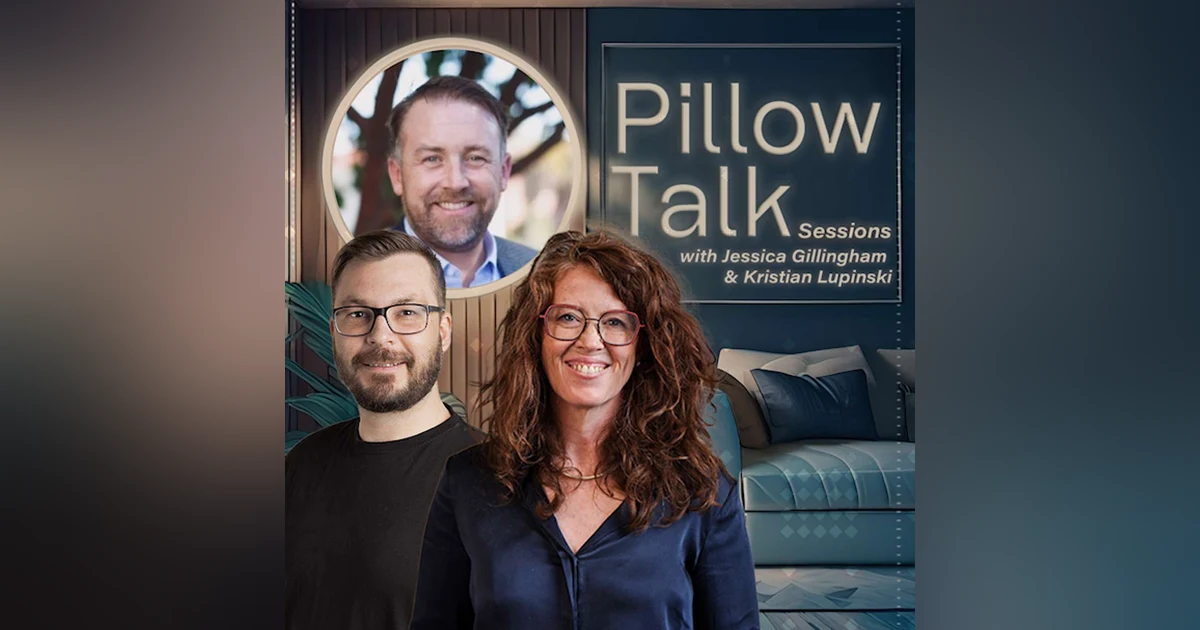
In this brand-new episode of Pillow Talk Sessions, Jessica and Kristian chat with Steve Davis, CEO of Operto, about the powerful intersection of hospitality, multifamily, and smart technology.
💡 Listen in for key takeaways like:
🔑 How Operto grew from digital locks to a full-service guest/resident management platform
🏘️ Why STR tech is uniquely positioned to enhance multifamily and hotel operations
💬 Why real-time communication and service feedback loops are the future
📉 The risks of poor tech rollouts—and how to do it right
🔮 What IoT means for future personalization and resident satisfaction
Meet the host of Pillow Talk Sessions
Jessica Gillingham is the Founder and CEO of Abode Worldwide, a strategic public relations agency dedicated to elevating the profile of transformative technology solutions in global hospitality, lodging, and rental living. An established industry thought leader, Jessica is a frequent conference speaker and author of Tech-Enabled Hospitality, a new book exploring the innovations shaping the sector.
Welcome back to Pill Talk Sessions. I'm Christian Lepinsky, joined as always by my co-host, Jessica Gillingen.
SPEAKER_00Thank you, Christian. And today on the show, we're joined by Steve Davis, who's the CEO of Reperto. We're going to explore with Steve how smart technology is transforming both hospitality and also multifamily living.
SPEAKER_01We'll also dive into the parallels between the lodging sectors, the challenges of scaling technology, and how operators can leverage IoT and automation to enhance the resident experience.
SPEAKER_00Steve, thank you so much for joining us on the Pillow Talk Sessions podcast. It is great to have you. I've known you for a while now. I always really enjoy having a conversation with you. And firstly, before we sort of kick into the discussion, tell us a little bit about Aperto and also your background.
SPEAKER_02Thanks, Jessica. It's good to good to see you. Yeah, I mean, Aperto has been, I think, you know, one of the oldest serving folks in the in the short-term rental for sure industry on the on the technology side. The company was founded in 2016, was sort of the first forays into digital access through doors and sort of using smart locks to be able to enable hosts to to manage their portfolios remotely and all that. And you know, from the early, earliest days to sort of the current version of where we're at, we've we've been along for the technology ride. I think we've obviously seen a huge change. Um, you know, I've been around for almost five years now. Can you believe it? Um, but it you know, we're seeing obviously huge changes in in the industry. And so, you know, Operto's evolved past just locks. It's the Italian verb to open. So that's where we started was opening doors, and we've moved on really to a much more sort of end-to-end guest management system for driving guest um experience, but also to you know operational efficiency for the for the host, be it a hotel or whatever. Um, yeah, the I mean the business has grown significantly over the last five years. We've gone from, I think when I joined, it was about maybe eight of us, 10 of us, and we're now well over a hundred. We've done a couple of rounds of venture uh funding. We have uh acquired three companies, we have sort of yeah, moved on from the the early startup days of of uh sort of 2016. So yeah, that's that's that's where we're sitting right now. Um personally, I'm I'm a sort of industry veteran, I guess. I've been around for probably 25 years. Uh I've built and exited uh two businesses. This is sort of my third foray into um you know technology. I've I'm in and around the Vancouver technology scene. It's it's you know, here it's a it's a growing, um we have a growing influence here for sure. We're sort of the the north of the the Silicon Valley and we have a lot of talent and a lot of venture money that's now pumping into the into the market here. And uh it's an exciting place to be. And I think you know, where we're sitting is uh we're fortuitous because we've got um yeah, some really great opportunity ahead of us, and we're excited.
SPEAKER_00Yeah, brilliant, Steve. And and I think you guys were really at the forefront, or it seemed very much at the forefront of access, and now you're in guest experience and operations and things. And one of the things on this podcast, we're really interested in the in how hospitality is influencing the modern rental living sector, so build-to-rent, multifamily. And and I remember from from years back speaking with Aperto and and how you were very much looking at the at the multifamily and the flexible living way back then. You know, your kind of roots are in short-term rentals and hospitality hotels, but actually, you know, quite a long time ago, speaking about actually, this is also um, there's also opportunity to be providing resident experience and access within multifamily operations as well. And I think that that being able to, you know, having tech that works across different lodging or has the potential to work across different lodging is is really interesting. Um and I know that Aperto is kind of very much pioneer, has been a bit of a pioneer there.
SPEAKER_02Yeah, I mean, I think you know, we're we're lucky we're in Vancouver. Uh, and you know, we we have one of the hottest property markets in the world, if not the hottest property market, behind maybe Hong Kong and Sydney. And, you know, when you look at what's happened to our city in terms of just explosive growth, and this is, you know, uh, you know, Canada's experienced some very sharp increases in immigration and places like Toronto and Calgary and Vancouver, we've we've seen these sort of population booms, and and the only way to sort of uh to get ahead of that is to build lots of uh places for people to live. And so multifamily has really taken off. I mean, it we we are lucky we sit here with mega, mega, mega developers here in Vancouver who are all across North America, and so they've got you know tens of thousands of units literally, and with but they're headquartered here, and so we've been able to um you know start looking at that industry because because we we we obviously know all the players and know kind of where they're going and and they're sort of in our in our contact networks, and it's it's been really exciting to kind of look beyond you know short-term rentals. I think it's been a great place for us to learn and to sort of get a toehold and figure out, okay, well, what where do we what do we want to be as a company? Um, because I think unfortunately in short-term rentals, you can only get so big, right? I mean, it's not you can't build a gargantuan unicorn uh in short-term rentals unless you it would be very, very difficult.
SPEAKER_00You're a PMS.
SPEAKER_02Yeah, and and so so we've we've really started to diversify. As you said, we've moved into sort of boutique hotels, we've got, you know, we work with a core, we work with, you know, we've got some bigger clients, we've got some smaller clients, and now multifamily is definitely one of those um areas that we see as greenfield growth because you know, as cities continue to expand and you have, you know, just this sort of the densification of population and the the demand, I think in the United States, especially as well, there's just a housing shortage. And so, you know, when if we can bring in solutions that that um that allow them to run the building more efficiently, run them, run the concierge services much more efficiently, to help them to just do things with less human capital, essentially, um, that's a that's music to any strata's ears. And so, you know, that's where we're um we're spending uh increasing amount of time uh building into that space.
SPEAKER_00Yeah, and I think that what's really what I always think is because of the nature of short-term rentals, because of the difficulty of operating, you know, units that might be very diverse in different locations. If you can build a solution that is good for short-term rentals, other verticals, lodging verticals, are kind of almost easy peasy compared to the complexity of short-term rentals. So it's kind of a natural evolution. It's probably a lot harder to go the other way because of the because of that complexity.
SPEAKER_02I totally I totally agree. I mean, I just look at the complexity of of our um housekeeping, maintenance, cleaning services product, right? And the the complexity that is required to run a short-term rental, much higher than running a even even a hotel, to be totally honest. It's it's it's wild. Um, so you have this sort of smaller scaled business, but a much more complex use case versus you know, multifamily or or even boutiques. Um, it it is a it's a much more of a rinse repeat. Whereas you have that, you know, one property looks different from the next, from the next, from the next, from the next inside of a property manager's portfolio. Uh, it's not easy to because there's just there's there is consistency, but there's still lots of nuance as well. So um, so yeah, I agree with you. It's it's it's pretty crazy to go and solve the most difficult problem first and then wheel back and go actually take a uh almost a pre-build solution into a larger TAM because let's be honest, the hotel market, I don't know what the factor is, but it's probably 10-15 times bigger than the short-term rental market. Um, and and multi-family is just immensely big as well. So so again, that's that's area for growth for us.
SPEAKER_00It feels also like multifamily, even though it's more sophisticated market, it's a much bigger market, it still also has that potential for prop tech to come in and make changes. You know, it's still very much um an open opportunity for for tech companies to kind of come in and with with solutions for operators, like it is behind in terms of tech adoption for operations as well as resident experience.
SPEAKER_02For sure. I mean, we have to assume at at this point in 2025 that regardless of you're a guest or you're a tenant, you are a digitally native person. And so folks are are the expectation is that yes, I can do everything on my phone, and if there's something wrong, I can sort it out through my phone. And so if you have that kind of assumption, then yes, you do need technology to unlock literally everything from the door to the way that you communicate to with the building, with the maintenance guys, with uh, you know, inside of you know, between tenants, like there's there's just opportunity for for yeah, for a much more efficiently run building um using the right pieces of technology. And it doesn't have to be incredibly expensive or onerous, or you know, it it's it it really is just meant to um soften the edges around uh day-to-day operations, right?
SPEAKER_01Well, I I suppose, I mean, we we've covered a lot of you know, in the first topic we were talking about the lodging similarities, but I suppose I kind of want to dig a little bit deeper into that. Um, you know, how can multifamily operators, you know, adopt tech that's flexible enough to work across different types of properties? Because again, it's uh very different in the bill to rent or multifamily co-living, things like this. But are there any examples where this you know cross-industry approach has worked well?
SPEAKER_02Yeah, I mean, we have we have buildings here in Vancouver where you have short-term rentals and you have multifamily in the same building. Um the for us, the solutions are not the the difference really becomes how someone sort of checks in and checks out and what their sort of day-to-day interaction with the building is. So is it a concierge at the front desk? Is it a is it a is it the security guards that are walking around the building? Is it like there's those kind of nuances, but the the actual we can we consider the most important part of any of any guest journey to be like, can they get into the building? Can they get into the room? Can they get into the pool? Can they get into the like into the you know the common rooms or all those kind of things because if they can't, then they're stuck, right? And then everything you kind of layer on top. Um, but no, I mean we don't we don't see huge differences. I think where you you start to see um you know uh opportunity. I think in short-term rentals, there's been a real push towards sort of upsells around like early check-in, late checkout, like you know, pet cleaning fees, that kind of stuff. And then in multifamily, really what you're trying to offer is like how do you get the person quickly in touch if there's something wrong in the building or they see something that's that's not quite right, or they want to pay their rent, or they want to pay like for a like like those kind of things. So it's so there is like a fintech angle, I think, on both sides, but it but they're the they're different when you're doing short-term rental versus like a longer-term rental. But um, yeah, no, that the core technology is the same. It's the it's the it's the way that the the guest or the tenant interacts with it is is where the difference is.
SPEAKER_00Yeah, no, that's great. And I want to talk a little bit about you know, the mobile being digital first as a resident, being digital first. We're used to everything on our mobile, from our airline tickets to um you know, booking doctors' appointments through apps, you know, whatever it might be. And I know your background is Apple in your previous life. Um, but if we if you were to think about the priorities, so so for let's say a multifamily operator, um built-to-rent operator, if if if they were to think about the the priorities of the kind of technology that would really matter to residents and and and so maybe less so on the operational side, but more on resident experience. But we could look at the operational side as well. What would you prioritize? So say they've got a very basic tech stack, you know, they might have a PMS and and and you know, basic things, but if they were really looking to kind of really do a digital transformation and and and sort of change things um and and be more uh more digital first for their residents, what do you think would be a priority to look at?
SPEAKER_02So one one of the places where we we believe there's um points of differentiation is in in how how a how a tenant or guest is able to make requests of the building and have that have those have those requests actually fulfilled. So when you look at a in a multifamily sort of play stage, like if I was staying in a multifamily and I had something wrong with my plumbing or my heating, or there was something I noticed something was broken, or there's a hole in the wall, or whatever, the ability for that tenant to be able to quickly action like, hey, I found this, there's something wrong that I found, or that this isn't working, or that you know this is broken, or or I, or I need help with X or Y or Z, and have the have the techno have your tech stack be able to not only sort of prioritize through like and this is where AI starts to come in, right? Where you start to have that that loop around like, okay, what are the basic things that a tenant needs that can be answered through AI, but but where in places where things cannot be solved, how do we actually create not at like a ticketing system or some sort of fulfillment loop so that the guest can or the tenant can actually say, okay, you know, we we've received your we've received your you know um request. Um this person is on it. We we we we believe that it'll be action by this time, and you can almost follow the the your requests and your the things you want to see happening in your building in real time. Like you can see when you order an Uber driver and you can see them driving to your house, you're ordering Uber Eats, and you can see them biking your stuff to your front door. Where we're we where we think there's some overlap with um even with hotels is the ability to make the guest feel like they're a guest and not that they're just like a rent payer in the building. Um and so that's where we where we find there's a a big, big opportunity to also differentiate the the brands around, you know, most most multifamily buildings, if they have a concierge, the concierge is not really used as a concierge, right? They're usually just someone sitting behind a screen, you know, like looking or watching their phone and and not actually providing service or interaction with the guest, with the with the tenants. There, to me, there's a there, and and again, this is like corroborated through property developers we work with and some of the big brands here, is trying to figure out how they can drive engagement between like not only the the guests and the concierge, but the guests and or sorry, the the the tenants and the other tenants as well, and creating community and creating um, yeah, like yeah, because you you can create that sort of sense of community if you do have technology that's putting people in touch with each other, and you have an AI that is working in the background to kind of identify who are the types of people that are that are living here, who are the um what are the offer, what are the offers we can we can bring to the to them, what are the the different things that services that we can be providing, etc. etc. And so that's where I think that there's um a real big opportunity, and you're starting to see it in hotels, you're starting you're definitely starting to see it in short-term rental.
SPEAKER_00So so that talking about connection and community, we've had quite a few operators on this show, as well as you know, other people within the the modern rental living sectors, and that's number one that they talk about really is that sense of community and community that residents are looking for. And and you know, for operators, it's kind of like, well, why would I, you know, why would I care about fluffy things like community or connection and and and sense of well-being whilst you're in a in a place? But it is churn, you know, it's about being able to get the right residents first, the ones you want, the higher, the higher rental yields, but also not having that churn as a it's much harder to leave a place when you feel like you've got community than it is to this where you just feel like you know, you're just uh in a box and you don't know any anything.
SPEAKER_02You're just rent, you're just a rent pair. Yeah, I I think you know, it's it's it's no different than when you're buying a condo or and you're and you're researching who the builder is according to quality and like track record and sort of their, you know, what what what generally people believe about their brand. I think that in in multifamily, you have got, especially when you're in like a branded place, that uh that sense of community and interaction between people because a lot of people don't they do like if you're living in a building with a hundred other families or 50 other families, you do want that sense of community. I mean, look what happened during COVID where people were just like dying for like that sense of connection. So if you if you have a br a brand that is really strong and known for like not only are we a great builder or we a great operator, but we our buildings are known for community, right? I think that that is a very, very, very valuable um thing that any any any you know operator would want to have as part of what they're known for in the broader market for sure.
SPEAKER_00Yeah, and technology is so good at good at that. And and I'm it's making me think about Slack. Now, Slack is obviously a tool that workplaces use for you know for internal comms or external comms if you're in channels, but it's such a great thing when you're a remote team to to to have that sort of sense of community, and it's a bit like you know, different kinds of apps within multifamily can do the same thing.
SPEAKER_02I also but uh yeah, and the one thing I would just stress from from my perspective is is the is that sense of like the clo the closed loop, right? So the like if you are in a multifamily building and or even like in the hotel space, right? Where you've got a a guest or a tenant who has the probably limited time, they've got you know, they just there's things that they want or need or require or you know, and the the sense of being able to make an ask and have that ask fulfilled, because some things can be fulfilled through, yes, AI, just a straight answer, or like what's the best restaurants to eat in the area, that kind of stuff. But the ability for to know that you've made you've made a request of the host and the host is going to fulfill it and being able to follow it through to completion, and then knowing, like, you know, I don't know when if you stayed in any hotels where you've got this kind of experience, but like the ability for like digital tipping and just thank yous and just being recognizing great service and recognizing employees or or concierges that go out of their way to to deliver great you know hospitality or stay or or or ongoing every day. Maybe they're the person that's always there, but but to me, that is where you you start to send you start to build community, right? Where you've got the appreciation that's happening between the people staying and the people that are delivering service, and then and that and that sort of is is the baseline.
SPEAKER_01I I had one uh one more question for you, Steve, on this kind of prioritizing the right tech uh topic that we have before we move on to the next one. You know, have you seen any mistakes in tech you know adoption that have led to negative impact on the residents or operators for that matter?
SPEAKER_02For sure. I think you know, on the I mean on the app side, I mean, let's be honest, no one really wants to download an app. If you're if you're if you're in a multifamily building and you're using it as your day-to-day getting in and out of everything, then yeah, you'll download the app because it becomes part of like what you need to be part of that building. Um, you know, yeah, short-term rentals, I think is is you know, has made multiple mistakes here of forcing people to download things, forcing people to, you know, into their desired workflows or work streams. Um yeah, I mean, listen, when we when we look at the most important place to start with most folks, it's usually on the on the housekeeping side, to be honest. I mean, it's usually the most painful uh thing. And it doesn't rec it doesn't matter which part of accommodation you're in. It is like maintenance, housekeeping, cleaning, turn. Burning over the units, you know, maintaining the foyer or the common rooms, or like that kind of stuff is actually the day-to-day pain in the butt of being in this market. Um, so usually we'll we'll try and get push people in that direction, like solve that problem, because that problem's not going away. And then all the other stuff is really, is really just the overlay of what kind of experience do you want to the person who's staying with you or renting from you to have. And that at that point you can choose, you know, variety of different guest applications. You can check, you can how you check in guests, how you, you know, controlling parking lots and and all the kind of other things that technology can do. Um, but yeah, what we do see and what we have seen is someone comes in and says, like, I want the whole thing, I want the whole buffet. And and really, it's not about the technology usually works. I mean, most vendors are pretty good. Um, but the challenge is the change management, right? So if you have the uh if you do have a larger staff, it it is difficult. If you just go, hey, yeah, listen, we've on Monday, when you come in, you'll see that we've changed everything. Uh oh, and by the way, like just figure it out. And there's no real plan to like show people why you why you're moving to a new system or what the desired outcomes of the new system are, or like, or what the plan is to sort of ease your way into some some sort of digital transformation. That's usually where the problem uh goes, where things go wrong, where the where the staff or the people that are actually using the stuff uh are not consulted or brought along in the decision-making process. It's like the owner's like, well, I went to you know, this show and I decided that I'm gonna switch everything and this is the way we're gonna run now. And and but then they, you know, they're not the ones on the day-to-day doing working with it. So so that's really where we've seen most of the problems is is like just getting a little bit over their skis, but then also just um not doing it necessarily with in consultation with the with the people who are gonna use it.
SPEAKER_00Yeah, and it's such a good point. And I I have written a book, as you know, because you're in the book, um, and which is coming out in the summer, which is around tech-enabled hospitality. So it's about technology for for hotels and short-term rentals. And one of the kind of the themes has been around culture and mindset when you do digital change, when you, you know, change technology or bring it on board or whatever it is, how important that cultural mindset is, how important it is to get the strategy right. So it has to come top down, you know, the the reasoning of why you're changing technology, but then also that change management as well kind of has has uh came out as quite a core theme within the research of the book. I just want to go before we move on to another topic, just make a point where where you sort of so basically the table stakes, in a way, is is is the sort of the stuff that has to happen. So clean, clean common areas, maintenance, all those things. Because if you don't do those things, that's when and even you know, in multifamily and and the living sectors, reviews matter. It's not just hotels and short-term rentals, reviews of condos, reviews of brands, um, recommendations and things like that. And that's kind of the number one that that that will impact how your residents, you know, rate rate your offering of what you're doing. And it's the kind of thing that can change. You can't change the location, you can't change the, you know, necessarily the noise outside or or or whatever, the traffic or or or whether something, you know, the location, I guess, is the thing you can't change. But that stuff you can really change and and make quite a big um difference in terms of how it's then um experienced.
SPEAKER_02Yeah, and I think, you know, when you look at any booking website or any review website, what are people talking about? They're always talking about the cleanliness of the building, of the room, of the bed, of the things. And then they might, the second is probably location, right? Is it close to the touristy stuff I want to see and that kind of stuff? But over like overarching, and and this is one of the things that I believe holds back the sectors like the short-term rental market, right? Is the consistency between one to the next to the next to the next of different Airbnbs, like it's such a crapshoot when you open that door of what you're gonna find, right? And and and that, and that is just a reflection of the maturity of the industry or the people or the low barriers to entry to get into the industry. Um, but you know, when you go when you swim upstream and you start talking about bigger hotels or multifamily or like where there's real operators involved and and real money, um, that's where that level of professionalization has to be there because they literally live and die by the by the reviews and the word of mouth between uh tenants and the you know what people are saying on Reddit and and that kind of stuff. It's critical. So so yeah, we always start with like the highest pain point is is it clean? And then and then we kind of uh we layer on everything after that.
SPEAKER_01So I I'm curious, and you know, I want to talk a bit about Perito because of course, you know, you talked about in hospitality and short-term rentals. You know, how's this transition from hospitality technology solutions, you know, to this multifamily applications shape your product development? Are there any kind of unique demands that may have surprised you when kind of moving the technology to this uh new living sector?
SPEAKER_02No, I think like it's it's more the nuanced things around, you know, um, and this is stuff we're we're we're we're currently building, is you know like rental collection, like like like strata, like getting information from stratas to the to the tenants, getting um like parcel deliveries, uh, you know, um garbage days, like just like things that are just different about about how that how a building runs versus uh like a standalone property. And so, you know, but but on the I think at the core, very, very similar. Obviously tying into intercom systems and that kind of stuff is is is a little bit different. Um, but yeah, no, I think it's more just the the use case of the buildings different. And so, and and but the the the nice thing is the way that we've architected our platform is that it's all just API, you know, it's a world of APIs. So if there's things you want to add in that can be done, if there's you know, as new and interesting technologies appear in in the market, we can just basically bring those to our dashboard and and and tie those in. So um, you know, yeah, we we try and keep things super simple, but I I I think that the overlay, but honestly, on the tech stack side is probably like the PMSs are obviously different, like in multifamily, you've got the yardis and those kind of guys, and then in the on the in the short-term rental, you got something different, and then you got the oracles and the hotels, and so the PMS is obviously the big, big point of differentiation, but in terms of the core technology stack for delivering good guest experience, I think is is is very, very similar, um, with with with differences around the edges.
SPEAKER_00Can I can I ask a bit about the APIs and and what might be possible? So if a multifamily operator wanted to also have some co-working within the building, is it like and and obviously there might be that the deck individual desks might be needing to be rented, or it might be office rooms that are rented for board meetings, that sort of thing. How would that work? Is it is that the kind of thing that they can use an API to kind of connect to Aperto and they can book that then through the software?
SPEAKER_02Yeah, so the so so the the so in that in that particular use case, um, we're not actually doing that yet, those common spaces, like where you've got the only PMS I've seen, and I could I could be completely wrong and correct it here, is I've seen Muse has really nailed this for sure. Um looking at the hotel hotel in this particular case as a collection of different spaces that can be sort of rented out or or monetized. Um now whether though that is whether there are PMSs that are doing that in the in the multifamily space, I don't know. Um but but I do think that again it is a huge, huge revenue opportunity for for for these operators to really monetize these these spaces. On the on the API side, like the the the scheduling can all can technically could all be done inside of Operto, but we're we're our scheduling is more focused on maintenance, cleaning, that kind of scheduling versus hey, I want to rent the pool room table at you know from five to six, and here's the it's $25 an hour and the ability to pay for it and that kind of stuff, which is a very kind of unique kind of um use case, but again, all buildable and not rocket science by any uh stretch. So so yeah, as we kind of continue to foray in into that space, we will consider.
SPEAKER_00Yeah, and again, that's a theme in the in the book that I've written is that space as a service. So looking at how you rather than looking at the traditional kind of his a night and a room, it's actually other ways of looking at revenue and and and space and and things.
SPEAKER_02You know, and even when you look at things like again, I know we're we're not really talking about hotels here, but when you look at the the the check-in area, or even let's say even if the concierge area in a in a multifamily building, like is that the most efficient use of that space, right? Because you're you're in the middle of the like prime time, you walk in the lobby, it's like right in front of you. It's like now, if you were actually looking to maximize the guest experience, do you really want to create a space where now people are lining up 10, 20, 30 deep to check in and get their plastic card? Or do you want the ability for them to walk in, have the digital key on their phone already, and then instead walk up to the cocktail bar and get a cocktail with their check-in, and then you know what I mean? And then like start to have this amazing guest interaction happen before they've even checked into their room. So, so yeah, and you're seeing again, you're seeing all these kind of um the reinvention of space because they're they're the the the native traveler, the digitally native traveler, that that's almost an expectation, right? Is like I want to be able to walk into an area and them to know that I'm here and to push alerts to me and saying, hey, like welcome to the hotel. Is there anything we can do while you're here? And like we call you a taxi, like like all those kind of things, concierge on your in your hand. Um it when you when you think of it like a stay that way, then you can start to think of like every every space in the in a building is actually up for grabs in terms of reinventing what it can do or how how it can deliver um value to the to the to the guest.
SPEAKER_00Yeah, it's so interesting, you know, that that shift. It's because that again is a mind mindset shift to look at look at buildings differently.
SPEAKER_02But I think you know, it's it's really exciting when I look at those those kind of uh upstarts. Well, not they're not upstarts anymore, but but the the disrup the true disruptors, especially in the in the in the PMS space, it's like it's this is this is what the the current the the next generation of travelers are gonna want, expect, and you know, require.
SPEAKER_01So these these operators, I mean, they have to really look at you know scalable technology, that's the other side of it. You know, what is the challenges and what is um you know a good return on investment. So I mean, what would you advise the these operators when choosing these different solutions that can grow with them and not be locked into kind of a legacy system?
SPEAKER_02Yeah, I mean the the first thing we always make sure people understand is is like what is the you you you can you learn a lot about a technology provider from the how from how they treat you during the sales process, right? So it's you know, and and the the the biggest downfall or pushback against kind of SaaS operators is is like you know, everyone they love you until you sign the contract, and then they're like, well, good luck with onboarding, and then the salesperson's on to kind of the next the next best thing, and you've locked into a year contract, and then you're like you know, so for me, the the most important thing to to to think about is like who is this operator and do like some research on them, right? Like go on Captera or one of these kind of review sites and really read about other people's experiences with them because the way that you're treated in in the sale is how you're gonna be treated as a customer, and because you know that's usually the way it is. So, so I think that that's really, really important to understand and also to like, you know, let's be honest, that in technology there's a lot of companies that come and go, and it's important to make sure that you're not building uh your your 10-year plan on a company that's been around for one year, right? It's really because that that's that's a bad plan, especially if they're like, oh, we went with them because they gave us the cheapest price. Well, we all know that you know, with cheap price usually comes poor service or unreliability, or there's always a trade-off when you when you when you choose when you make decisions. And so, you know, when when I so that's what we always talk to folks about is like is who are you actually because because when you're when you're deciding on a technology partner, you're it's like it's like it's not like choosing a new spouse, but it's pretty close. Like it's it's the one thing that everyone in your business is going to interact with, right? Like, for sure. And so, so it's really important just to make a dis make make a a decision, a very measured and and purposeful decision, and understand where, okay, like in Operto's case, we where we started and where we're now going is understanding, okay, well, what does what does the roadmap that we're going to be delivering on look like? And is that is that actually a fit for what you want to be doing with your with your business, right? And and and if there's a fit, then I mean we always say we we have like basically a council of customers who inform us on what we should be building next, really guide us in terms of um prioritizing our own roadmaps and these kind of things, and so but that's the kind of collaborative thing that we we we've always pushed. And so again, just really important when people are choosing a technology provider that not to say that you're gonna have the ultimate influence on what they're gonna build next, but that you have a good idea of what's coming next so that you can plan your own kind of um your own future. So, because what the worst thing you can do, choosing the wrong one and then ripping it out like in 18 months, uh, is painful. It's painful. So avoid it, do your homework.
SPEAKER_00Do you think though that operators need help knowing what they might need as they grow? And also, especially we've just seen AI, we've got agent AI now, like there might be things that are coming down the road that operators just don't even know exist, or or or so A, they might not know what the problems are gonna be as they as they grow, but then also not knowing what the solutions might be.
SPEAKER_02Having this conversation in 12 months from now would be very interesting because you know, agentic AI is gonna is going to fundamentally disrupt the the SaaS market, it is going to yeah, if there's no real clear points of differentiation between one company and the other, the the agent will be able to just bypass the middle layer and go straight to the source of the information that they need. And so, you know, while I I think the technology will be there, I don't think people are the adoption of it's gonna be necessarily as widespread as everyone says, but it's coming. So, so again, like regardless of of AI, I don't think people's day-to-day problems of how they run their their buildings or their portfolio are really gonna change fundamentally so much. Maybe the tools will change a little bit, but the but the actual like the headache of cleaning, maintenance, housekeeping, etc., that ain't going away with AI, right? Like, you still gotta like that's that's that's not going anywhere. So yeah, I mean, but but but your point is well taken. It's like who knows what's coming, right? I mean, we all have an idea, but it's like it's yeah, it who knows. So yeah, watch this space, I guess.
SPEAKER_00Totally. And and I was at ITB a couple of weeks ago, which is is travel hotel.
SPEAKER_02Yeah, of course, yeah.
SPEAKER_00And um, you know, someone and it it wasn't it didn't come from this person, it came from someone famous who I can't for the life of me think who it was now, but they said SAS is dead, you know.
SPEAKER_02That that Sass the way Yeah, it was it was it was uh Satya, it was Satya Nadela, the the CEO of Microsoft.
SPEAKER_00Someone very famous who saw um, but but really that it that that its value is like it might be, you know, the way that it gets purchased and sold and things like that might be more on value and the value it brings.
SPEAKER_02Um well if you yeah, I mean if you just look at what SaaS is, it's just the middle layer between the database and the customer, right? And so you're it's just the platform layer. And so if you have an agent that can bypass the platform and just go straight to the source of the data, right? Like just pull the data out of the data lake that it needs and move on, then there's no need for the SaaS layer. And so this is this was the point he was he was trying to make was was um the the value in the in the future will be will be all that the the aggregated data that agents will interact with and it won't be in the person who's built the most beautiful um dashboard and you know all that kind of stuff because there's nothing we needed. So anyways, it's gonna be it's gonna be a wild ride, right? Like, I mean let's see where this whole thing shakes out.
SPEAKER_01Well, let's uh let's uh switch to our final topic of today um is you know, we're gonna talk a bit about the future, uh, and especially uh as it relates to Internet of Things or IoT. Um, you know, as this evolves, IoT evolves, you know, what emerging technologies or features do you envision becoming essential for multifamily operators? Because there's a lot of different capabilities, whether it's the Google Assistance and the lights being able to be turned on and off, that may be fun. But you know, what what are the more the essential for these multifamily operators that they should be looking at uh in the future here?
SPEAKER_02Oh, I mean, it's such a good question. Um like I if I can be completely honest, I don't think that there's I haven't seen a ton of stuff that's come out that is on the hardware side that is like whoa, super revolutionary, right? Like I think you've got you you've got an amazing array of of devices currently that um that do uh that kind of do what they do. And and yes, there'll be improvements, but let's let's just say that those are kind of table stakes. Going back to the last conversation we we just had was around like around um you know when it what what what does it look like when every person has got is surrounded by personal agents that that are that are interacting with IoT devices in inside um a unit or a hotel room or a you know a short-term rental. And and are and and to me that is where you're gonna see like just wild things happening where you can just making requests of the IoT um devices in in real time that are like that are driven by guest preference. And and like again, I don't even I don't even know where this stuff is gonna go, so I don't even want to like throw a throw a dart and guess, but I think where IoT will become um, you know, it's it's a functional thing, like digital locks, open close, open, close. It can track, you know, it can track basic data about you, but where I think the real interesting, where the real interesting um improvements are gonna be is around the collection of guest data and preferences and and um you know and and how they how they move inside a building, how they you know interact with with the room, how they interact with with the services on on-prem, and then being able to take like aggregate all that data so that the next time that either that person comes back or you've got a traveler profile, which fits very similarly into that type of traveler, like a business traveler or a traveler coming with their spouse and two kids or whatever, that the the ability for the the um the the building or hotel or or whatever to create a curated stay for that type of traveler profile and and IoT will play um a role in that as well. So, you know, I always use the the the the idea of like imagine you're again sitting by the pool and your your phone buzzes and it says, Hey, listen, the cleaners just entered your room. Is there anything you'd like them to take care of while or the or the maintenance person has just arrived on on site? Is there anything you'd like them to take care of? And you can like literally interact with them in real time and and Make sure and know that these tasks are being completed and being able to watch those tasks being completed in real time, and then being able to sort of thank, tip, close the loop on that service piece. I think that that and that's all enabled through motion sensors, smart locks, um uh, you know, but there's other IoT for sure in there. You could like humidity sensors and and like temperature control and all those kind of things um are just aggregators of like a great guest stay uh to me. So so yeah, I don't know if we're gonna see new stuff, but I think how people interact with it is gonna is gonna change for sure.
SPEAKER_00And then how do you see that for residents, tenants in multifamily buildings? What would that look like for them?
SPEAKER_02My experience with with um well, I mean, like kind of in in the explanation I just kind of gave you there is is the ability to it's it for me that the the big unlock here is actually just the communication inside the building, right? And the ability for for someone who's staying there to to be absolutely up to date. They're not reading the boring once-a-month strata newsletter that comes out, and these are the changes that were made at the strata meeting, and like no one reads that crap, but it's like what is happening in the like that is either gonna affect me or things that can make my my experience of being a tenant in the building even better than they are. Um, and and what are the things that the building is offering that maybe I don't even know that are available to me, or things that I can request of the the building to to make my stay better. And and to me, that is is like even for something like again, back to the last thing, if you had a plumber coming into your apartment and you know the door opens and they're coming in on a code or a digital key that is tagged to that to that um the plumber, just the ability to say, like, hey, did you know the they've just they've just entered the apartment, um, they're they're scheduled for an hour and a half stay, you know, here's the number you can if you need to communicate with them, uh, if there's anything else that you'd like them to look at while you're there, like do like just like just basics, but again, the only way you would know that is with a smart lock or a sensor that's picked up a change in temperature or CO2 levels in the room, or if someone's smoking, or like the the to me, like the the devices become the abil the thing that that uh enables the communication. That that that you know it's not necessarily like the latest or coolest device, it just kind of does it's what it's meant to do, but it triggers a uh a conversation or an interaction between between tenant and tenant, or or sorry, like the the guests in the in the in the the the building or the concierge or whatever. Um that that's where I think it's the the value.
SPEAKER_01One thing I heard that uh really I think is would be very valuable is um for for safety reasons as well. You know, we were talking to one guest and they're talking about how if you know the room is you know you know monitored as the doors open, but it's you know, then the person entered but then never left, and then there's no movement inside the room that they can you know send somebody up to check on them, you know, do a welfare check and things like this. So there's there's a lot of bit you know, capabilities of of this technology where it's not intrusive, but also could support you know the residents in a lot of different ways. Um, I mean, on that note, uh I think this is a a good place to wrap up today's conversation. But before we go, uh Steve, anything coming up with Aperto or anything that you guys want to let our audience know that they should be looking out for?
SPEAKER_02Uh no, I think we covered most of it. I mean, you know, as as we were speaking at the beginning, we're a 10 plus year technology company that's been in this space for longer than most. And you know, we we cut our teeth in in the sort of short-term rental hospitality space, and we've you know moved on to, you know, now we we do all the digital keys and doors for a core hotels, you know, in globally. So, you know, we've really kind of grown up as a as a business. Um, and and and we're and again, we're we're building solutions that that are meant to power amazing guest stays, and and at the end of the day, happy guests equals you know, direct bookings, it it it it creates, you know, um word of mouth, it creates uh brand, it create like all those kind of things. And and again, we're just trying to build thoughtful technology solutions that that really um yeah, like just make people's stays more more enjoyable and and and memorable. So so yeah, if you want to check it out, operto.com and uh we'd love to chat to you.
SPEAKER_00Great. Thank you, Steve. Thanks so much for coming on Pillow Talk Session. It's been great speaking with you.
SPEAKER_02My pleasure. Anytime.
SPEAKER_01And that wraps it up for us today. So thank you guys so much for joining us on this episode of Pillow Talk Sessions. To stay connected and catch every new episode, do us a favor and head over to PillowTalkSessions.com to subscribe. And be sure to follow us on LinkedIn for more insights and interviews with leaders who are shaping the future of hospitality, multifamily living, and community driven spaces. Thanks again for tuning in, and we'll see you next time on Pillow Talk Sessions.


