Shaping the Future of Build-to-Rent with Brendan Geraghty (The Association of Rental Living)


 RSS Feed
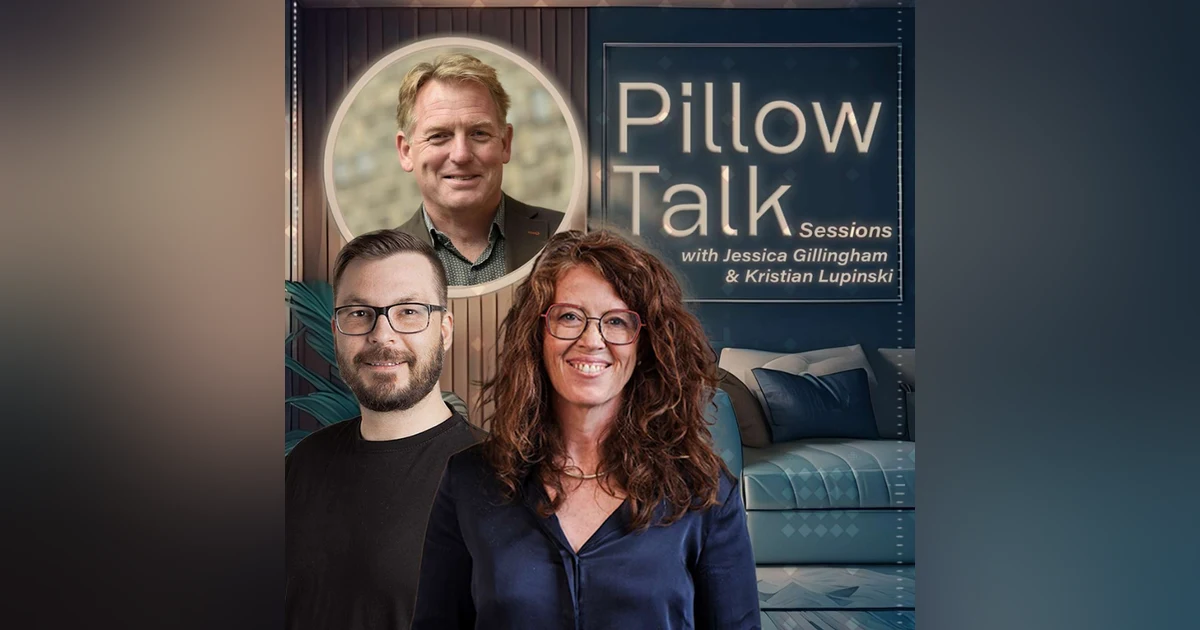
Join Jessica Gillingham and Kristian Lupinski on this week’s episode of Pillow Talk Sessions as they welcome Brendan Geraghty, CEO of the Association for Rental Living, to discuss how hospitality is reshaping the Build-to-Rent (BTR) sector.
Key takeaways include:
🔹 The Hospitality-BTR Connection – Insights into how BTR is adopting hotel-inspired practices to enhance the resident experience.
🔹 #BrandbeforeBuilding – Understanding the focus on brand experience over physical infrastructure.
🔹 Service-Oriented Talent – Exploring the new workforce shaping the BTR sector.
🔹 UK vs. US Perspectives – Contrasting the strengths and lessons of these two key rental markets.
🔹 What’s Next for BTR – Trends and innovations redefining rental living.
Meet the host of Pillow Talk Sessions
Jessica Gillingham is the Founder and CEO of Abode Worldwide, a strategic public relations agency dedicated to elevating the profile of transformative technology solutions in global hospitality, lodging, and rental living. An established industry thought leader, Jessica is a frequent conference speaker and author of Tech-Enabled Hospitality, a new book exploring the innovations shaping the sector.
Welcome to the Pillow Talk Sessions podcast. My name is Jessica Gillingham, and I am joined by my co-host Christine Pinsky. Today we're going to be speaking with Brendan Gerrity, who is the CEO of the Association of Rental Living. We're going to be further exploring with Brendan the convergence between hospitality and the build-to-rent sector and getting his view on what's changing.
SPEAKER_02It's going to be a great conversation as we'll dive into the shift towards a service and experience model of rental living and the increasing importance of brand experience over physical infrastructure, which has a huge implication for both operators and residents.
SPEAKER_03We're going to be talking more also about how the build-to-rent sector is attracting a more hospitality service-oriented workforce and what's different between what's happening in the UK compared to what's happening in the US. Brendan, welcome to Pillow Talk Sessions. We're really pleased to have you on the show and to discuss all about how the build-to-rent and the living sectors are converging more and more with hospitality. And I know you're doing lots of really great things around this at the Association of Rent or Living. So really thank you so much for coming on the show.
SPEAKER_00Jessica, thank you very much for that. I'm very pleased to do to be here. And I think this convergence, you know, it's started and I think it's just going to gain momentum.
SPEAKER_02Yeah, and welcome, Brendan. And I I think before we we we start today's conversation, maybe you can give us a brief overview of your background and how your journey led you from architecture to becoming the CEO of the Association for Rental Living.
SPEAKER_00So I think I'll give you the shorter version. Um I I studied my I started my architectural career, in fact, as an interior designer, I studied interior design first. And the the most important lesson I received in interior design, apart from how to arrange furniture, really was that the difference between interior design and architecture is that interior design is designed from the inside out, and architecture is more or less designed from the outside in. So in the latter half of my um my architectural career, I was heavily involved in in um designing built-to-rent buildings here in the UK. And what I witnessed was that the rise of the customer experience as being a really, really dominant requirement in the design solution was just getting more and more important. I call it the rise of interior design, the rise of the customer experience and the understanding of a good uh of a good solution. I'll be honest with you, when I when I put this to the market here in the UK, and I certainly put it to my architectural peers, they somewhat thought I was talking, um, not being as accurate as I could be, shall we say. And um, but really I think my my predictions of that importance of that customer experience have been borne out now. And at the end of the day, in build to rent in any living sector, the source of revenue is the resident. And the and and I would summarize um the approach is is is that happy people give you money. If you get them happy, they'll give you money. If you keep them happy, they'll keep giving you money. It's kind of that simple. But how do you do what is the role of design in that respect? Well, you know, it it obviously plays a role. And so from that work in designing buildings, I I was asked by what was in the UKAA, because we have a very strong association with the NAA in the States, and then the the chief exec um uh retired, and um I threw my hat in the ring, and here we are. So that's kind of the potted history. And interesting, I think it's a sort of um, I come from a building background looking up, whereas a lot of the influence into um the um the ARL as it is now was from the financial sector and the operating sort of looking down into the building. So I think we've now got a sort of a merger of a bottom-up and a top-down in the way that we look at the the sector.
SPEAKER_03Thank you, Brendan. It feels like you know, build to rent being experience-led or service-led, it really was kind of ahead of the curve. Now, with this podcast, we're we're having quite a few guests that are talking about hospitality and build to rent in the same sentence, you know, and and and really when we talk about hospitality, and I suppose both Christian and I come from that world originally. So we're really guest first, resident first is kind of the way that we would always look at it. So so now that we're we're kind of in this sector as well, it's seeing how that is kind of converging and playing, actually playing out because it's a lovely idea to say service first, experience first, hospitality first. But how how is that convergence playing out in build to rent now?
SPEAKER_00Well, I I think it's gaining momentum. You know, I I think I think those who've been in build to rent for the 10 to 12 years that's been in existence in the UK, they're completely bored in. But obviously, we're we're at a we're very it's you know, very early stages of the sector, we're just over 100,000 homes. You know, we want to get up to 2 million. I mean, that's the projection. So there's going to be a lot of people who are coming into the sector. Some of them will be completely um um um inexperienced in in build to rent. They may have some experience in residential sales, and others will have experience through through hospitality. And of course, we'll get foreign investors coming in, as you know, especially from mature markets like the states, who have a very very developed understanding. So um it's about a cultural shift, it's about a paradigm shift. There's a heavily embedded sales culture in residential real estate in the UK. That is slowly changing as we understand the importance of the role of the customer, the customer experience really driving the the driving the security of the revenue. And ultimately the residence, the customers becoming your sales force. So as we've now started to monitor the market, and we have home views who do um as a sort of the trip advisor of the built-rend sector, and the reports coming back at that, which are consumer-focused um reports, are very, very, very positive. And the value of build the value of a positive customer experience is now starting to be recognized, not just by the consumer, the customer, the resident, but also by the operators who know who are starting to understand the better off they the better they treat the customer, the the the more, the better experience that the customer has, the more likely it is they're going to stay longer. And a sticky customer, you know, there's less voice, there's less cost and replacement, and and overall, um, the sense of community, which I think underpins the build-to-rent experience, is that really what we're trying to create is community, um, is um accelerated. I could go on a little bit about the importance of community because it's there's two things that will deliver that community. There is a level of service that is my problem's being looked after if I have one, um, and and I can I can be rest assured that that it will be resolved in some shape or form, and that's done variously. And then there's the curatorship within the buildings, which is about uh encouraging or indeed even hosting um interactions that will um uh that support the community um position. And the reason community is important is because community is good for business, and if we follow Maslow's hierarchy of needs, which is always my go-to place when I don't know how to answer a question, is like, well, where what would Maslow say? And you know, once we get past the basics of shelter and so on, and we move into self-actualization at the top of that pyramid, that needs community, that needs people around us who are assisting and supporting us. And I suppose that the difference between us and and and hospitality is we're a long stay, so that community is not like a holiday community that's quite temporary, it's a it's a long-term community. And for us, long-term would be you know, you know, anything north of a year, but you know, potentially many, many, many years, you know.
SPEAKER_02Yeah, I I mean, yeah, absolutely. I I think maybe it is uh a shift or change, you know, from from you know, longer-term rentals. I mean, when I was going in long-term rentals, I just wanted my place, and you know, there's the door, here's your keys, you know, good luck. Thanks, landlord. See you later. Um, but do you see that you know, these kind of hospitality-inspired services, they're more expected, or is it one of those still a surprise to people?
SPEAKER_00I think it's probably a surprise uh to most. The experience, I'm gonna just there's a couple of bits to your question. So there are still those who want that very discrete service that you talked about. Give me my key, leave me alone. And that has to be respected. So I think that's well catered for. If we look at the PRS sector, the public the private rental sector here in the UK, there's circa five million homes. The majority of those homes are mom and pop investors. I mean, there's some big companies in there, but the majority of small-time players who maybe have you know one, two, maybe a dozen properties, whatever the case may be, and they're not really, they're not they're not really professional service providers or um um um property people. This is a sideshow, they see it as an investment or whatever it is. And unfortunately, for a for a lot of those, whilst there's some many, many good uh individual landlords, there is evidence of very poor experience in the UK of the PRS sector, landlords who don't respond to issues, you know, um, you know, mold going in in the apartments and and they're not attended to. Really basic human needs just being ignored because it's too much of a too much effort or too cost, too much money. And indeed, just last week we had a major thing in the press of a of a newly elected MP who had you know half a dozen or so, or no, had a dozen or so um um homes under rental, and they're in an atrocious condition, you know. So built a rent came about to provide a real alternative to that. A real alternative to that kind of what am I gonna get, the stress that's involved with okay, I've signed a lease, but I know in 12 months' time I'm gonna have to either get out because the nano's gonna hike up the rent, or what is gonna happen in this time? And the secure the security of tenure, the safety of the place, and just the stability of living creates stress on all sorts of levels. And built a rent recognized this and want to go in and say, right, here you are. There's we we offer the apartment, we also offer other things. I mean, not everybody's got amenities all over the place. There are the higher-end ones that do that, but there's mid-market solutions which are which are low, have a degree of low immunity in them. But at the end of the day, it's about the professional management. And I would argue that the professional management and and customer centricity is the defining characteristic of built-to-rent. The second defining characteristic of built to rent is the need for some form of community space where the buildings community can come together, have tea and cake, or do yoga, or have a homework club, whatever that, whatever it may be, that there is opportunity to create some form of community. And that community is is encouraged by the management or the operators, and um it really all turns to have people have a good time and enjoying their stay.
SPEAKER_03How does that because we've had some operators on the show that come from the co-living world? How do you then define between what might be a bill-to-rent operation and a co-living where that whole community is a whole raison d'etre?
SPEAKER_00I I I think they're first cousins. I don't think that in principle there's anything that separates them. I think the differences come in aspects of the operational model and certainly the product itself. So in co-living, it's smaller apartments, so you're there's there's gonna be a natural inclination to use more of the building, but in built-to-rent, you still rent the building, you don't just rent your apartments. So I I think they're just degrees of the same, the same model. Um, and then in co-living, they're chasing a different demographic or or or type of of resident um who still may be long-term, but but but due to affordability or whatever it may be, are choosing to to to um uh smaller, smaller spaces. So I I there's the differences are way for thin in principle. The application, of course, is a different matter, they're chasing different markets, and each of those markets will have um uh nuanced um requirements that must be attended to.
SPEAKER_03And I think that this idea of having that communal space, that that big space, is also something that hotels clearly have. You know, they have our lobby and things like that. And and one of the guests that we've interviewed on the show is Michael Levy, which is one of the co-founders of Citizen M. And he's talking about how their whole lobby has been designed to be basically like a living room, the the you know, the way that where the kind of um the cafe bed is very strategically placed, you know, it's really designed to be like a build-to-rent, co-living or living area.
SPEAKER_00Well, I'm glad you mentioned that because for many, many years, when I was in purely architecture land, fortunately there was a citizen M around the corner from the architectural practice, and that's exactly where I took them to say this is what build-to-rent is like on the ground floor. You need to create this, and then you have your apartments above that. And it was a wonderful shortcut to explaining the concept. So now we have many more examples that I don't have to rely on citizen M, but they are a they are a cornerstone for me personally in explaining what we mean, and they do a terrific job.
SPEAKER_02Yeah, no, 100%. And uh it was uh it was a good conversation with them just seeing how the evolution of that changes, and you know, that's kind of what we're discussing today as well, um, is that kind of change or shift. Um, maybe you can elaborate on the shift towards the service and experience model uh in the rental living sector. And you know, how's the shift changing the expectations and experiences of residents?
SPEAKER_00Well, I think the the the and again the the the best source of assessing this is looking at the home view scores um, you know, for the various buildings. And they have about a pretty substantial market penetration to look at that. So, you know, there's various things that everybody enjoys. They enjoy, you know, as I've said, they enjoy the service, but they enjoy the predictability, the stability, the safety, they enjoy the amenities and the ability to they enjoy the thoughtfulness of the proposition that's really trying to find ways of supporting the gaps that that that you know the gaps in our lives that we need a little bit of help with. So curiously, now we see in the sales market some of the biggest sales operators uh looking at the same sort of extended care and um really making sure that the you know the whole process of purchase is is smooth and that even after the purchase that there is some level of support. What we're really talking about, so what we to my mind, I mean, the the what what I think is really happening here is that consumer culture is starting to come into residential real estate, and it's a place where perhaps um we haven't always invited it to come um and visit. Um, and when we look at it from a consumer perspective, you know, that that B2C relationship is really, really important. Whereas in residential real estate, mostly has been B2B um dynamics. So I there's a huge shift in valuing the customer. There's a huge shift in trying to make that process of the sale, whether it be for a whole home if you're purchasing it, or for it's still a sale in rental terms, that you get them committed and you buy them in, and and looking to provide the answers that they're looking for in a lifestyle sense. So, and again, it can be elaborate or it can be very, very simple. That that consciousness, that culture of awareness of the consumer and consumer centricity, I would argue is is is young. Uh, it's it's a it's a weird paradox. It's both young in terms of its acceptance within the market, but we have a why we have a deep um knowledge of consumerism from other sectors. So we're not having to learn it from the beginning. We can bring in a mature model, but that's been accepted as necessary. That's really what is important here, that that's accepted as necessary for success. 10, 15 years ago, you know, you would I would never if I even if I suggested it to clients, we go, no, we don't need it. Why are we going to do it? Now they know they need it and they are doing it.
SPEAKER_03It's a really interesting shift that we see in so many parts of life and business, that sort of customer first. Because even in things like education or medical or whatever, you will talk about users as being clients or customers, not you know, not whatever else it might have been before. So it is that shift across everything, isn't it? That sort of customer first, the consumer-centric.
SPEAKER_00No, unfortunately, when we look at our contract, I mean again, it comes to the you know, it all comes back from history. We you know, the standard lease is an AST and you're called a tenant. And a tenant is a legally binding, uh, is a is a legal term, but it's also a very abstract term. There's no humanity in a tenant, but there is a humanity in the customer, and it's bringing this sense of humanity, you know. We you know, we're doing this for the for the benefit of people, we're not doing it for horses, you know, and and so how do we how do we create that link with them? And I suppose that brings me on to something that we've initiated in build to rent certainly through the ARL, is the idea of a social contract. I mean, I would argue that hospitality have already they may not articulate it as a social contract, but they have one. If you go to any of the the branded names, you know exactly what you can expect, and there's a standard of be of behavior and standard of product. You go to an economy hotel, you know the same thing, and you know that your treatment there will always be recourse because they they do not want the problem of reputational damage or or whatever the case may be. So we've introduced a code of practice for the built-to-rend sector. I'm very pleased to see, and this is our social contract. So, in the context of a PRS sector, which is largely or has you know has an element which has created a very bad reputation for them, despite there's being some very good landlords, um, a government that is, I think, suspicious of the rental sector in in the round, um, um, and and and its credibility, um, and of course, built to rent wanting to show that it is different. We've created a social contract, a code of practice that we're putting out, we've put out to the we've already published it. It's out for consultation for adoption in Q1 next year. But that's our social contract. That's what we wanted to say to society, to customers, and indeed even to government at large, and say, please judge us by these standards. And so that it doesn't matter whether you're a you're a high-end player or a mid-market or low or lower market player, you can still be judged by the same standards. And so that's the cultural dimension that I think hospitality and other sectors have built up perhaps organically over many, many generations, and and and the consumers recognize that, and we have to fast-track that now, and we have to get get everybody to buy in. So it's yeah, there's a huge shift going on.
SPEAKER_03In hospitality, we're often at the tyranny of the review. You know, it's the TripAdvisor, the review, the booking.com, Expedia, whatever it is. And I you mentioned home views, you know, earlier when you were speaking. Is it how does it work in build to rent in terms of that tyranny of the review?
SPEAKER_00Well, I don't think we we are at tyranny yet, but it's gonna come. So at the moment, I mean, if you so there's a couple of bits to your your your your your question, there is such an imbalance of supply and demand. Demand is so huge that you know you really have to try hard not to rent your property, okay, even if it was made of toilet paper. So there's such a huge demand that that and people are desperate for homes. So um we haven't we whilst in the recent home views report, we did have a little bit of a dip in in some of the ratings, they were still very, very high. I think that's a product of where we are. We're we're we're 100,000 homes, uh, you know, we're not struggling too much to fill them. You know, it's it's gonna be fine. Once we, you know, we double and triple that number, there will be those who are not keeping pace with the standards in the industry, if you like. And I think then we will see fluctuation in individual property reviews, but overall, I suspect the industry will still continue to score reasonably, reasonably well from a a um um a ratings perspective. So the tyranny of the review, we haven't we still have to we have to start that soon. That'll come, and when it comes, I'm sure it's gonna be painful for the industry. But I can understand from a hospitality perspective, the voice of the consumer really can you know can it can be very impactful if it's not a if it's not a positive one.
SPEAKER_02Yeah, it's got yeah, it's got a lot of weight, you know. That's one of the first things I do is when I'm looking for a place to stay, I'm checking out the reviews, you know, whether it's you know through short-term rentals or for a hotel in a specific area. I'll go look at the reviews. And if they're not good reviews, I'm moving on, you know. Um, but you know, to go back a bit about what you're talking about in hospitality about building brands, you know, you go to a citizen M, you know what you're expecting when you go into there. You know what you're gonna see on the floor, you know what the rooms are gonna be like, and it's all about these companies building brands. Uh in our discovery call, we we we talked about um you know brand over buildings. So this concept suggests, you know, a focus on brand experience over physical infrastructure. Maybe you can explain this concept just a bit further and discuss its implications both for you know operators and residents in the BTR sector.
SPEAKER_00So, I mean, absolutely. So it was brand before building, you know, get your proposition right, get your mind. identify your market and and then use that to to design your your or to inform the design of your building. So I I read a terrific book called Brand and Other Noble Pursuits by a lady called Dibby Millman, which just changed my thinking. And it kind of looked at brands around the world, everything from the sort of Mongolian basket weaving society to you know Coke and and McDonald's and hotel brands and so on and so forth. So it was charities and it was just very, very revealing. And but what it revealed is that actually the brand is an emotional brand is an emotional language that's wrapped around a product. And people trust their emotions. Our intuitive sense and this has been borne out by uh neuroscience and and all the therapists you want to speak to is that we certainly in the West we've lost a little bit of trust in our intuitive sense. And um brand talks to that emotional part of ourselves that really wants to be wants to feel like it's being attracted or being listened to whatever the case may be. Now so brand before building was an attempt to say well you know is it this type of organization is you know is it a is is it a what what are you trying to attract and what are you putting in there to attract those people rather than creating a vanilla products which of which there are many many vanilla products out there that are really so so so mediocre that they're at you know I always say they're at the cutting edge of mediocrity because there's just nothing to distinguish them from anything else. So brand before building was an attempt to understand what what's the proposition what's the experience you want to give to the customer to your residents how do you want them to feel about you and I realize that the creation of a brand is very similar in its logic sequence to the creation of an architectural concept. I mean obviously doesn't have plumbing and structural issues and all that kind of stuff but when you're talking about the fusion of ideas and the layering of ideas onto a product brand and architecture have many many similarities. So when I explain this to my architecture chums when they stopped throwing stones at me and accusing me of selling out but but the the point the point was here is that it it created a framework of understanding that it's it's it's really important that the building has a proposition that is backed up by its operation and backed up by the living experience. And that in turn we will will provide the um the not the security is the wrong word but will assist in delivering the revenue because it's more predictable and more manageable and all of that kind of thing. So it was an architectural insight or architectural tool that I use to explain Built a red was a perfect tool for this because in its earlier years it was about trying to it was about acquis I said act probably incorrectly acquisition and retention. It's about what's more about drawing people then and then keeping them there while keeping them in the building to to an appropriate length and moving them on from there. And now I think now that idea is very very I have it repeated back to me which is always nice but um that idea of getting that proposition correct I think is really accepted now and built to rect not always executed but generally um very well accepted and understood within the operational brief but that brings me on to another point sorry I do go on a little bit because everything links but we're also seeing one of the reasons that brand before building didn't get um traction back in the day was because we were very capex focused it was all about capital expenditure the cost of the build and of course the cost of the building is extremely important but when you look at the operators and they kind of go well why did you do this and why did you do that and and and why did you create such a small storage room because now people are fighting with each other to get it that's not the experience we want to present. So we're seeing the rise of the operational brief the rise of opex as the dominant um definer of the good experience and some decisions in CapEx land for say materials or um certain facilities that would normally get engineered out for cost reasons are staying in or being enhanced in the operational side because the long-term benefit of those to the product and to the experience is just speaks for itself. And at the end of the day you're gonna hold that that that asset for 30 years potentially you don't want to be spending money on it too frequently to get it to perform. So there's been a whole lot of shifts in the market we're learning as quickly as we can but there's a long way to go.
SPEAKER_03Yeah you've said so many really really good things here and one of the other things from hospitality is looking at customers' lifetime value and I think that's kind of what you're talking about here aren't you? It's not just that one transaction of when they move in and then they'll move out it's actually the the lifetime value of the of the resident but also of the building of the the whole kind of brand and community I love you know I've never really thought about brand and architecture being so linked in that way but that's a really um interesting way of looking at it. I'm going to get you to repeat the book by the way I love a good book recommendation so I'm gonna get you to repeat that but the other thing that you said that that what I thought was you know you talked about relationship building and that emotional connection which is what brand does but what it also does is loyalty. It creates and fosters that loyalty which is the basis of community as well.
SPEAKER_00The book is Brand and Other Noble Pursuits by Debbie Milman um can't remember when it was published but it's got a blue cover. I got mine on Amazon and I you're absolutely right so brand brand and um and community and loyalty and all those sort of things are are completely interlinked and it it is in community and the integration of community ourselves into community in an appropriate way not a forced way but in an appropriate way is is really what contributes to our happiness and we see that in families and we see that in you know in communities which are stable and all the rest of that kind of thing. So um brand is a shortcut in my in simple commercial terms I would say brand is a shortcut to the heart of your your customer and then once you've got the heart of your customer as long as you you nurture that heart you can you you can you know that's a long-term relationship you can when you say get them to do things I don't mean it in that sense I mean it that you know you you can offer new things to them and if they trust you they will take that and to your point on the the the lifetime elements of it if we you know I think the smart guys in hospitality and other real estate things will recognize that you know as a as a youngster you'll be attracted to these hotels and as an oldster you're going to be attracted but if we can keep you coming back over that entire period and we see that a lot starting to emerge in built to rent co-living to mainstream built to rent to um single family and ultimately to later living you can see that's already on the horizon and there will be those who will have a play in each of those subsectors because it's about providing something for the life of the um of the life of the residents and their you know their customers.
SPEAKER_02All good stuff I'm I'm I'm gonna continue pushing this conversation forward because I want to get to a few other topics uh before we run out of time today. The next one I want to discuss with you Brendan is about attracting a new workforce. You know as the BTR sector is kind of shifting and attracting a new service oriented workforce you know what kind of skills and you know qualities are becoming increasingly important in this sector.
SPEAKER_00There's a level two and a level four I won't go into the technical aspects of it but solid grounding but there's an awful lot that's more needed on the people skills side of things and and and how to how to how to deal with people and people in different situations and all the all all things that in say retail and hospitality I suspect you would be trained on very very early days and you know um and shown how to cope with things. So we have typically drawn our workforce from various places but but a lot from retail and a lot from hospitality and unfortunately we're not keeping them all and they're going back because whilst they're perfectly able to handle the situation one of the complaints that comes back which surprised me a little bit is that look I've only been trained in how to keep short-term relationships you know what I mean if somebody comes to the desk and they're grumpy you gotta just smile at them for 20 minutes and then they're gonna go away or whatever the case may be but in building they keep coming back do you know what I mean and um um they they some of them in from the hospitality side you know weren't quite sure about or that you know they kind of unnerve them a little bit but that's for us then to provide the training for that and certainly there's a there's a lot of energy going into to to to to look at that side of things at the moment. So it's certainly going to be a a hot topic of um the conference we've got a special feature on the well-being of your staff rather than just the well-being of your residents and I think that's an important distinction because that well being is made up of education training um you know facilities management and operational dynamics it's it's a full it's a full um piece of work so I think we have a little bit of a way to go I think our our workforce is under and I mean this in a nice way undereducated because they're not getting the support that they need from our industry at the moment and it's a part of our industry that really needs to to step up and understand the value of it because we won't create that loyalty that brand loyalty that we spoke about if we don't have the people who are delivering that on the front line so there's a lot of movement in this regard um but a little bit like some it took a while for service and hospitality to become really understood the value of that to become really understood I suspect it'll take a little bit of time for the value of highly trained individuals who are at the at the front end of your investment protecting your investment the investment in that is a very very important investment. So we have a little bit of a way to go I'm a little bit worried that we're gonna we're gonna we got a bit of time to to catch up on that but we're making progress.
SPEAKER_03Absolutely and I um a couple of things sort of came to my mind firstly how nice instead of having someone talk about AI and you know making sure people are skilled on that it's actually making sure people are skilled on those soft skills on those people skills so that's sort of um you know a nice change that that we're having in conversation the other thing is is we have a sort of almost like a stereotype in the UK because even hospitality is not seen as a career in and of itself in hospitality in the way that it might be in Europe or in the US and I I wonder whether the build to rent sector here also might suffer a little bit from that.
SPEAKER_00I I I think they do I I I I think that you know um one of the things we need to do is actually map out the career. So I've challenged the industry and and they have responded not quite as I'm going to describe it I've said I want I need a career path that takes me from being the janitor to the CEO.
SPEAKER_03Which happens in hotels you know you'll get Bellhop's front desk do make it to CEOs in the hotel space.
SPEAKER_00But but the infrastructure required to allow that to happen is is is there's gaps in in our process. So I think there's a bit of there's a little bit of you know one of the things I want to do is I want I'm going to ask the industry in the coming months I've really initiated this although it's not public at the moment is okay can we standardize on terms you know the description of this job and that job so that we can start to get a handle on you know this this position X is is worth this much money and that position Y is worth that much money and kind of basically career mapping landscape mapping and then and and sort of salary um um link to that sort of thing is it's a bit haphazard at the moment and um we need to bring we need to standardize that or get a common acceptance of some of these terms. Again I say that's a reflection of where we are on our journey and once we have those sort of standards and once we have some of these career paths mapped out it will be easier for us to make it attractive to um to those who are not part of the industry and also describing what those roles entail. So we do need to bring technology into this now you know build surrend is going to have a high tech um dimension to it as all industries I think going forward will. But I think in terms of residential real estate the living sector we will have much higher tech um uh deployment than residential sales um for the younger generations the use of tech and the ability to advance through tech is part of what will make any career attractive to them in in many respects I don't mean to generalize but we have to be clear on the tech we're using and how we're deploying it even even AI which is going to be commonly used um um in the industry and is already but that's going to increase and and be adept at absorbing these new um initiatives or these new products and and and services and showing how we deploy them in a thoughtful considered and responsible way so the the career path it's quite interesting my daughter's just graduated uh university I'm trying to uh encourage her into the build to rent world and she's asked me these questions like well how do I where do I start and do I need to know about buildings and what about what does this mean and what and I'm like going I ought to get you to talk to a few people so it's not it's not described but that only means there's an opportunity to describe it and get that process going.
SPEAKER_03Yeah really interesting and and the association is going to do that is going to lead on mapping that out or so my job I mean if the if the members ask me to do that I will do that.
SPEAKER_00So my I don't I mean I I I I do come up with my own ideas and I set the agenda or I influence the agenda to some extent but really the Association of Virtual Living is led by its members so whatever's at the at the cull face for them we have a simple mantra of action not words so every time we have a public event um that's got our name on it everybody has to come up with three action points for the industry that I will take on and put into one of our initiatives so um the need for wider education softer skills education and to create the marketing platform to attract people then that's already in train it needs a bit of a boost if I'm honest it needs to be resourced then on the other side um the technology is is equal to that that is is sometimes a little bit easier to deploy but but then if it's not thought through with all the other tech it can create problems as well so it's not a it's not a panacea that's for sure um but fundamentally what we need to what what we're really talking about is holism and looking at the various really to understand the value parameters of each of these components and make sure that we we nurture all of them um um appropriately and um we've spent 10 years getting the money sorted out in terms of getting the investment case and how that works we've worked hard on getting the product right and that's now moving in the right direction and now we have to get the the the not so much the customer right but our people right yeah that's that's the future sort of as I see it from from from that perspective.
SPEAKER_03Brendan you mentioned how the US is sort of much further ahead than the UK can you tell us a little bit more about those comparisons and how the UK built to rent sector can really learn from the US?
SPEAKER_00Like what is the US doing that we're not yet currently doing the answer is a a lot and I think we're at a point where we can learn an awful lot from them but we're also learning that they can learn a little bit from us. So I just want to go back in history for a little bit. So the National Apartments association which is obviously a huge part of the built-to-rent economy or the multifamily economy in the states you know kind of sponsored us as a um affiliate to their organization uh 10 10 10 or 12 years ago I forget the date exactly um and that's why we call the UKAA to show our association with the states and that that we were learning from that very deep uh um um source of knowledge and and and and bringing that to the UK so the the US will always be ahead of us in many respects and there is an active dialogue and dynamic between us and the NAA which we will maintain despite our name change we did it with their blessings and and and and we want to maintain that closeness there's no question but from a perspective of um differences or similarities I think in some areas we're deploying tech more effectively and more efficiently and more adventurously than than they are in the states I think that some of the guys who come from the states and look at our product see a better quality quality of finish and a quality of presentation overall so we're sending a we're sort of sending a quality agenda back to the states and we're sending um um uh maybe uh applied tech back to them not that not not not all of the operational tech which often is is is is is American but some of the other tech that we've deployed within within within the uh the spaces but you know we've seen single family homes become a major part of built to rent but that sort of low rise probably slightly longer term rentals with with many more families involved that's really been going here in the UK for only two or three years that's going to get very big um the main reason for that is we have a much much more mature supply chain of house builders who we who will be able to supply that for us as additional homes to the homes they would already be developing for sale so we're very it's very clear it's very important to us that everybody understands it's about additionality not not replacement. In terms of other trends coming coming forward I mean I keep an eye on on on on the news as as best I can but there seems to be quite I've been involved with various things around staffing and getting the staffing culture right and and getting that operational piece going huge amounts to learn from that we can learn from the states on almost every level but the most important thing that's going to help us in the in the in the UK is understanding how to keep operational efficiency at good efficient levels while still being able to do to provide a very good service. So operational costs gross to net that sort of thing um you know we we're still working towards getting those benchmarks sorted out where those benchmarks have existed for a great deal of time in the States that don't compare directly because we're offering slightly different things and and and uh not all the points sort of really align. But the principles of that operational benchmarking that I know is much more mature in this in the states is what where we have to get to and we we have a we have a a very initiative that we're working on right now that is slowly getting support uh on that point so there's sort of softer things that we could look at but the real hard things that we need from this that we would need to learn or still need to learn from the states is that operational expenditure how to get that management model really really working well we can always learn something on customer care that's never ending I think our product has evolved to be something very UK appropriate um and and then and and we we we shift some of those ideas back backwards but there's an awful lot of foundational work still to be done and we look to the states um mostly to help us with that.
SPEAKER_03And I guess that the US also just has that sheer scale that we don't have in the UK. But Brendan do you know what I think we probably should leave that for another pillow talk session because it's a big topic thank you so much for joining us today on this pillow talk session episode and we do hope to have you again another time.
SPEAKER_02And no thank you very much I've enjoyed the conversation and that wraps it up for us today a big thank you for joining us on this episode of Pillow Talk section uh of course a huge thank you to Brendan for such an engaging conversation and for sharing his perspective on the fascinating convergence between hospitality and the build right sector to stay connected and catch every new episode do us a favor to head over to pillowtalksections.com to subscribe and be sure to follow us on LinkedIn for more insights and interviews with leaders who are shaping the future of hospitality multifamily living and community driven spaces thanks again for tuning in and we'll see you next time on Pillow Talk Sections


