Revolutionizing Multifamily Living with Konrad Koczwara (ElevateOS)


 RSS Feed
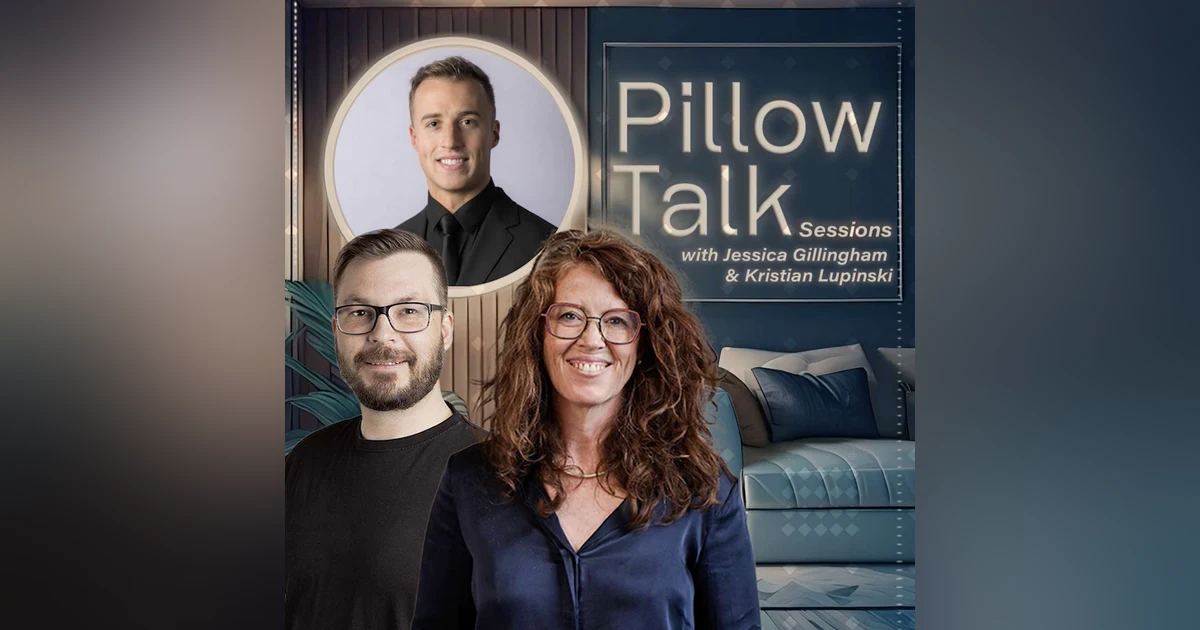
Join Jessica Gillingham and Kristian Lupinski in this latest episode of Pillow Talk Sessions as they explore how multifamily living is being transformed by the hospitality industry’s best practices. Featuring Konrad Koczwara, Founder & CEO of ElevateOS, this episode is packed with insights into creating a 5-star resident experience.
Highlights include:
🔹 Hotelization Explained – How multifamily operators are adopting hospitality principles to exceed resident expectations.
🔹 Resident Retention – The role of events, interest groups, and community-building in keeping residents engaged and happy.
🔹 Innovations on the Horizon – Predictions for the future of multifamily living, from service models to tech integrations.
🔹 Cost vs. Quality – Strategies for maintaining high standards without breaking the bank.
Meet the host of Pillow Talk Sessions
Jessica Gillingham is the Founder and CEO of Abode Worldwide, a strategic public relations agency dedicated to elevating the profile of transformative technology solutions in global hospitality, lodging, and rental living. An established industry thought leader, Jessica is a frequent conference speaker and author of Tech-Enabled Hospitality, a new book exploring the innovations shaping the sector.
Welcome back to the Pillow Talk Sessions podcast. My name is Jessica Gillingham, and I am joined as always by my co-host Christian Lupinsky. Today we're really excited to speak with Conrad Caswara, who is the founder and CEO of Elevate OS. We're going to talk with Conrad about the hotelisation of multifamily and how hospitality practices are reshaping resident experiences.
SPEAKER_01That's right, Jessica. Conrad is at the forefront of this trend, and we'll dive into how operators can balance high-quality service with cost efficiency while exploring the innovations shaping the future of apartment living.
SPEAKER_02Conrad, welcome to the Pillow Talk Sessions podcast. I'm really excited to have you on the show. I've been following you for a couple of years, and I really love what you're doing with Elevate. You know, it's really impressive what you're offering to the multifamily market. So I can't wait to hear your thoughts on the topics that we're going to talk about today.
SPEAKER_00I love it. I'm so thankful for being here, Jessica, and I'm excited to be on Pillow Talks and chat more with you guys today.
SPEAKER_01Absolutely. And I think before we get started, Conrad, maybe you can give us a little bit of background on yourself and elevate.
SPEAKER_00Yeah, of course. Um, so I've been, I actually started in like the service industry uh over 10 years ago. And uh so I was like really big into like just kind of on-site experience, personnel, staffing, uh just overall like experience management. And I ended up in multifamily uh on accident. And uh, you know, I had that first business for a few years. Uh, and you know, once I uh had some more time when I graduated grad school, and I learned a lot from that business and how you know multifamily operators like kind of like their wants and needs and issues they're facing, you know, we built Elevate in 2018 and we, you know, since have not stopped. We've been constantly adding features. We are trying to really um, you know, challenge the status quo, you know, as it relates to offering hotel-style services in multifamily apartments.
SPEAKER_02So you are literally a perfect guest for this podcast because that what we're really interested in is that kind of hotelification of the other kinds of rent, like rental real estate. So whether that's multifamily is what you call it in the US, the built-to-rent over in the UK, the living sectors. The fact that you come from that sort of service experiential background is really interesting because it's really clear that's how you've developed Elevate. And I just want to, I was looking on your website today, and you have a your your vision basically says that you are combining tech with human-powered hospitality for the multifamily sector, which is exactly what we're looking to talk about on this podcast. So, what I'd love to hear from you is what does it mean really for in your perspective, that hotelification of multifamily? And how do you because we're obviously in the UK over here, but how does that play out in the US? Is it quite a big thing?
SPEAKER_00Yeah, I mean, what what hotelization means in multifamily, it essentially means that you're bringing these high-end amenities or experiences. It could be physical, it could be um, you know, uh things, events, right, um, that you're offering, right? And you're bringing them to the residential buildings. Um that and think these are things that have historically been only available to people visiting hotels, right? So, you know, think of things like you know, there could be physical amenities, right, where people are able to meet their neighbors. So it could be like a clubhouse, uh, it could be a golf simulator, uh party room, right, where you can invite your friends, but it can also be things that are services, right? So, you know, resident events, um, an on-site health and wellness program that's offered in a residential building. Um, so you don't have to go to a fitness studio, right? Um, but it could also be things like hotel style services where someone can book a housekeeper, a trainer in their gym. They don't ever have to leave the building. And, you know, the way the market's going, residents are just becoming way more demanding. They expect more, they expect things to be done quickly. And, you know, that's really what hotelization is. I mean, you know, whole at a hotel, you want things resolved quickly. And I think those that's the same thing that's happening in these residential buildings.
SPEAKER_02And how much of the market in the US is already sort of going along that more service-oriented experience for residents? Like how is it is it still really just at the beginning of that journey?
SPEAKER_00I would say that um it's very hard to offer uh hotel style services. I would say it's not in the beginning. Um, you know, we started, it's kind of interesting how it how everything played out, but I had a service company in in 2014. While I had a service company, there was um competitors all over the country in their local markets pretty much doing the same thing. Um, we were all doing it differently, but we were all thinking of the same thing, right? And you know, but what that created in in um in the US was a bunch of point solutions. So, you know, you'd have an app that offers tech-enabled housekeeping, and you'd have an app for pet concierge and fitness concierge. So it it it it that was the early phase, I call that. I think that was the early phase. Now it's in the maturing phase where basically a lot of these systems, you know, there's no longer there's less point solutions. Um, a lot of competitors bought each other out, they consolidated. And I think a lot of these operators, they're also thinking about things differently. They're they're like, we don't want to add another portal to our residents' mobile device, right? So they're thinking at things in terms of like a platform, and that's kind of been our vision. So, like my first business, I learned a lot. I didn't want to have a point solution. I wanted to build like a more of an ecosystem. And that's what we started doing in 2018. And, you know, 2018, 2020, I don't think a lot of people understood that there was a problem with too many portals and too many apps. So, you know, what I'm getting at now is I think it is maturing now. It's 2024. I think there's a lot of large operators that have, you know, 40,000, 50,000 units that are now like, okay, we're past the kind of the premature, the risky phase. Um, now this is something we're looking to implement right now. So I think you know, that's where we are. Um, you know, I still think there's a long road ahead. There's a lot of properties that are not offering these things. Um, so I think it's gonna keep getting better and better and better. Um, especially if you look at like things like IoT devices, smart, smart devices. Most hotels, when you, you know, when you open your room, all of a sudden your blinds magically open up, right? And a lot of residential buildings, they're still missing a lot of these things. So I think hotelization is just gonna keep the definition is gonna change, is what I'm saying, right?
SPEAKER_01Yeah, and I think we should we should discuss that a little bit deeper because of course, you know, uh multifamily living operators can't adopt everything that hospitality is doing and these hotels are doing. But you know, what specific practices from hospitality industry can these operators adopt, you know, to create this more hospitality-like experience for the residents?
SPEAKER_00Yeah, I would say the ones, I think like the biggest one is communication, right? So communication, uh, you know, when you go to a hotel, you know, you and you check in, you get a text now. I think the last like 10 hotels I've checked into, I've gotten a text that says, hey, how are things going? How's your check-in? That's considered the onboarding phase, right, of a hotel. I think when residents move into an apartment, there's also an onboarding phase. So you basically want to onboard your resident properly and you want to make sure that they complete all their move-in tasks and that they know everything about the property, where the amenities are, what floors. So I think, you know, what we're doing with our platform is we have an onboarding system, right? Where we want to nurture those new move-ins um, just like at a hotel, right? So I think hotels are already doing that pretty well. Um, you know, I've seen some hotels implementing these AI chat agents as well. So I think that can definitely be implemented. Um, but ultimately, I think, you know, a hotel experience and a residential apartment experience is a little different. And there's gonna be different types of move-in tasks and things you have to do, right? Um, so that's one. So communication, right? Second one is uh services, so on-demand services. So a lot of hotels, they have restaurants on site, uh, they have a bar, uh, you know, a lot of apartment buildings, they don't have those things. That's very expensive to run. Uh, and but that's again where our platform, where we have the ability where you can order groceries and order food from a restaurant, and you could order from 40 different restaurants nearby. So, you know, just the fact that an apartment doesn't have a kitchen doesn't you can't doesn't mean you can't offer those things. Um, the third one I would say is events. So a lot of these hotels, they have an on-site health and wellness program. They have some sort of engagement where, you know, I was at it, I was at um one hotel in Miami uh this past weekend, and they uh, you know, they have like full-on, like, you know, 10 classes a week for fitness. I did some boxing there. Um, then they had like a candle making event that was scheduled for next week. I wasn't gonna be able to make it, but it just kind of shows you that they're doing all these things to engage their guests. And apartment buildings luckily are a lot of them do are doing events. So they realize that events are important because it impacts their retention. And the the higher their retention and the longer people stay, it costs them less money because they have they don't have to turn the unit. Um, and I would say probably the last one is just again, these services that come to the building. You know, I can get, I can leave my hotel and someone's gonna clean my hotel room, right? It's almost like the same thing in an apartment. Like you want cleaners on site, you want trainers if you want to have a one-on-one training session, if you need, if you have to go to work, you need a dog walker. All these things are things that we're already doing through our platform and we're leveraging kind of uh off-site teams. You're not having someone there full time, uh, because that's costly, but you can do it on a part-time basis, right? As needed.
SPEAKER_02So I just want to come back on something. If I was a betting person, whether I would bet whether you'd go for the boxing or the candle making, I would have gone for the the boxing that you wouldn't have picked the candle making as an event.
SPEAKER_00Um no, no.
SPEAKER_02But it's the choice, isn't it?
SPEAKER_00But here's a yeah, so that's a you know, my parents they forced me to go do art classes like for seven years, and I had to like make stuff out of clay and do paintings, and I'm glad I did it, but I never enjoyed it. Um, you know, but that being said, I think everybody is different. So, like that kind of brings me like that's like a good point you brought up. I think, you know, if if we ask 10 people, you get 10 different answers of what people like. And I think what hotels also do very well is they they they ask you ahead of time for your preferences. So when when I booked my stay, I had I received a survey. I didn't fill it out, but I knew what they wanted. They wanted me to give them data on what I like and what I don't like. And I think there are a lot of people that do fill those surveys out, and then when you get to the hotel, they're able to kind of give you an idea, basically give you an experience that's a little bit more personalized based on what you what you like. Um, so it's the same thing with with residential buildings, you know, different people like different things, and it's good to understand. Imagine like you could pull up someone's profile in the in whatever, in the management side of it, and you can see that Conrad likes boxing. Conrad likes this. Um, you know, and then you can kind of curate that conversation with Conrad about hey, like we have a boxing class on Saturday at 9 a.m. I saw you like boxing, you should go to that, right? So I think that you brought up a really great point about that everybody's different, and and you gotta really curate towards each individual.
SPEAKER_02And then it's also about building that relationship with each individual. So if you know what their preferences are and you're keeping it in a source of truth, what what their sort of what their interests are, what all those kinds of things like a hotel might keep track of whether they like hard pillows, whether they like to be on the first floor or the top floor, smoking room, non-smoking room, that kind of thing. In a in a multifamily operation, it will be different. It will be other preferences, but I suppose the key is really to be able to have that relationship with individuals through a digitized way rather than that in-person necessarily relationship.
SPEAKER_01You brought up uh in your your previous answer uh a bit about communication, and maybe we should talk a little bit more about that. Um, you know, as people change, as demands change, as residents, you know, their their preferences change. How important do you find uh is communication in delivering the service-driven multifamily experience? And you know, ultimately, what are the strategies that these operators can use to enhance that communication?
SPEAKER_00Yeah, um, I think I think communication is number one out of all the things that are out there, right? Um, you know, communication, if you're so like I'll give you examples. If you have proactive communication, like just say like a property, um, you know, they, I don't know, their electricity is getting shut off, right? Um let's pretend there's a manager who doesn't communicate that ahead of time, and there is a manager who does, right? I think we all know what would happen if the electricity gets shut off. Residents can't access their Wi-Fi, right? They they need to be on calls, the Wi-Fi doesn't work, um, they're gonna start complaining, right? Versus if you proactively communicate that, like, hey, here's here's the expectation, you know, here's what's happening. So I think that's a really powerful tool. So I think you can never over-communicate enough if you are in the property management space. You know, that being said, there's not a lot of great tools to do that, in my opinion. There's a lot of scattered tools, you know, where you know, you have like texting in one system and then you have emails in another system. You know, the way I see it is you want to have like a unified system. So, you know, the way we've set it up in our system, which was kind of the vision, was we we wanted like emails, texting, and and in-app chat all feeding into one uh inbox. And it tells you, it says, Conrad sent a text, Conrad sent an email, but it all goes into one place. And if you and everybody has a different preference, you know, Christian, you might like texting, you know, Jessica might like emailing, I might like to chat through the app, you know. So you have to kind of understand what are your preferences of your audience, of each odd of each audience member, right? So if they message you as a text, you can respond in a text, right? So that's that's another thing. It's just making sure you have the right communication tools. Um and less is more. You know, if you don't have all of the above, I'd rather, I'd rather say, hey, choose one and try to make sure that all of your um call to actions of like how you know where a res where a resident or a guest would find you or communicate with you, like make sure it goes only to your email. Don't push out any other systems. Like just keep it through your email and just do one and stick to one. Uh, because if you have multiple and you're not tracking them and people are not responding to it, you're gonna look bad, right?
SPEAKER_02It's interesting that everyone's got a different communication method that they prefer. And I'm not gonna take it personally, but we've got different ages here. I'm older than you two, so I'm the one that you pick for email. Um, Christian's in the middle of us, we would be text, and you, the younger Conrad, is is is in the app, you know. But it is interesting the sort of um the different ages or demographics of of what would be the preferred communication style, the most natural communication style. And that unified inbox, I mean, the hotel industry has that, you know, that's a fairly normal thing now, is to have that unified in inbox, whether it's WhatsApp, text, emails, booking.com, you know, messaging, it's all all in one place. That's fairly standard. And it sounds like that's becoming more standard in multifamily, but I also want to talk to you about something else. You you mentioned earlier about in hotels, there's now like AI sales agents, you know, there's sales agents that are AI. Where is the multifamily on that? Do we are we seeing sort of AI resident agents yet? Like, is that something that's coming?
SPEAKER_00There are. So I've been seeing um AI for leasing, um, I've been seeing AI for maintenance. Uh so there's there's there are use cases out there, and you know, from what I understand, it's working really well, uh, but there's still kinks to work out. So it's almost it's it's not like a fully it's a very tricky system to run, especially when you have people uh that are also playing a role, right? Imagine you have like leasing agents and you know you have to tell your leasing agents like, hey, we don't want you to call this person, we don't want you to message them, let the AI do the work. You know, you'd be sitting around like, why would you know, that's so weird, right? So it's kind of I think I think ultimately, like, here's kind of my my my two cents on the AI stuff. AI, I think if someone, if you have like an average, below average uh employee for like leasing agents, or I think the AI is gonna win. Because AI is gonna do the follow-up when it's supposed to happen, they're not gonna forget. But if you have like a superstar leasing agent, they're gonna win against AI, right? And that's my that's my take. And especially if imagine you have a hundred buildings and they're all using the same AI program, it's gonna do the same exact playbook, right? So it's almost like how do you differentiate yourself against your you know 99 competitors? You get really good rock star leasing agents, right? That that will call them, you know, to talk to a human. Because I think you know, people will eventually get tired of like, oh, I I don't want to talk, like they're gonna catch on. They're talking to like an AI or texting with an AI. Um, and I think a lot of people do prefer to chat with someone on the phone.
SPEAKER_02So I think it's maybe that it's those mundane things that can happen, the sort of inquiries, let's say, about basic things can be AI. But when it's about closing a sale or closing, you know, getting a resident to really sort of sign up to a lease, that's where you do need that rock star to really and again that's about building a relationship as well, isn't it? That's always the key.
SPEAKER_00Yeah, and with you know, with maintenance, um, you know, I I like the use case for maintenance because a lot of residents they'll put in a work order in and you know, they don't put a description sometimes. Like they'll put like, oh, it's uh it's an issue with my light, you know. But what's going on with your light? Is your light broken? Did you break the glass? Did you is it did it just shut off? Is it you know, did it burn out? Um and that's where the AI can kind of reach out and be like, hey, I saw, you know, before you submit this, like give us more info about what it is. Or like someone's like, Oh, there's uh my water, there's water in my apartment. You know, imagine the AI can be like, oh, like here's your water shutoff valve in your apartment. Go and shut that off, you know, versus you know, they submit a ticket. By the time someone sees it, it's 30 minutes, the water's still running. So there's a lot of, I think for maintenance, I think that's where it could really help the most uh if you implemented the right way. Yep.
SPEAKER_01No, uh I couldn't agree more. I mean, I use I use these chatbots for simple things, whether it is uh, you know, a web page if I'm having an issue or trying to upload something and I'm having an issue, usually the AI chatbots sort it out almost immediately. I don't need to talk to an agent. So yeah, there's a lot of different use cases uh in all sorts of sectors. So I'm surprised it's not used more in multifamily. Um I want to talk because you we we were also talking a bit about community, you know, events, interest groups, things like this. But when it comes to retention, how important are those, you know, compared to the building in the in the the rentals themselves? What kind of strategies can these operators do to retain these uh residents?
SPEAKER_00Yeah, so that's a great question. Um I think that's what all the operators are trying to figure out right now. Um, you know, with interest rates being high, rents at all-time highs, like they want to keep the rents high, right? Right? They don't want to be able to move out. Um, you know, so the one thing that I uh, you know, one of the easy things is like resident events, right? There's a lot of data, I think it was from NHMC, where you know, if if a res a resident's more likely to renew their lease if they have a few friends in the building, right? So, you know, if the goal is to get them to have friends, how do you do that, right? Events, uh Um, offering interest groups uh where, you know, for example, let's pretend that I'm I'm moving to a new city. And let's use Florida as an example, right? Florida, a lot of people from the colder states move to Florida, right? Um, and they don't know anybody. But essentially, you know, a lot of people from the colder states, you know, I have a lot of friends that move to Florida and they don't know anybody there. So, you know, imagine you're on a tour and uh a leasing agent says, Hey, we have this really cool app where there's, you know, like they'll be like, Conrad, do you have a dog? I'll be like, Yeah, I have a golden doodle. And they're like, Oh, well, look at our app. We have this like pet owner group where there's 40 residents and they meet up every Tuesday and they and they have their dogs run around. I'm like, oh, that's pretty cool, you know. So like day one, I'm like, I can join that group and I'll immediately meet some people with similar interests. Or, you know, I was flying next to a guy who plays pickleball, you know, and he was telling talking to me about pickleball for three hours on the plane. I I I wanted to get some work done, I didn't get any work done. But, you know, that guy, if you had if you had a tour with him and you mentioned pickleball, you'd close him on the spot because you'd be like, oh, we have a pickleball group, and you could find people to play with.
SPEAKER_02So it's just I I've just got to say something about this. I'm in Phoenix, Arizona next week, and I'm playing in a my very first ever pickleball tournament, which is part of a conference that I'm going to. So I'm all ears on anything pickleball.
SPEAKER_00Yeah, you know, pickleball players are like the the fanatics, they love it. And I'm actually, I want to start playing Savannah's too. I mean, that guy pretty much told me all the rules. I was like, wow, okay, I think I can, I think I know how it all works. But, you know, so interest groups, events, offering, you know, imagine someone's like, oh, I'm I have to go and sign up to a yoga studio and pay a hundred bucks a month, or maybe one of these other kind of hit class, you know, memberships. But if the building has it in-house, right, like why would you ever want to leave? And then you can meet your neighbors, you can potentially bring a friend. Some buildings allow that. Uh, so I think a lot of things like that help with retention. I also think the other thing that, you know, there's obvious, I think there's obvious things that don't help with retention. Imagine you move into a building and you have to have six different apps to do stuff around the property. I think that would just annoy me, right? So one of the things that we we do is just let's focus on building everything in one system. So, you know, because if you do have it in one system, that means that instead of a resident dividing their attention into six different apps, right? And they might only be using one or two of those day to day. Now you have everything in one. So now they can truly truly see what's offered at your community, you know, whether it's amenities, events, interest groups. Um, and it just helps the, I think it helps with discovery of what's offered and also communication, because if they're already in that app and you need to communicate to you, they know that this is the way to do it.
SPEAKER_02I think that with the community, you know, the community is so important. And I and I wonder how much that has to do. I'm I'm sure it has everything to do with the fact that we move around to places where we're not near family. You know, I know in the US you guys move a lot, like you know, much more so than we do over here in in the UK and Europe. So I think that sort of not having your own community uprooting, being uprooted fairly regularly. The fact that also that with hybrid working, you know, less time in an office where you're, you know, with your community, so actually where you live becomes more important. So those are sort of societal things that have really interesting changes that we've had over the last, you know, more than the last five years, probably last 10, 20 years. So that brings it in. But just when it comes to multifamily and retention, I went off a little tangent there, but when it comes to that, so you're talking about community and you're talking about the fact that having one app where everything is is really important. But what that also tells me is that that really feeds into an operator's brand. Because if you've got one place where all that information is, that one place where all that kind of community, communication, amenities can happen, that gives the operators the chance to build their brand that builds that loyalty. So you've got that community side that feeds loyalty and retention, but actually also that kind of brand cohesiveness. And we all know that kind of digital communities are real, you know, people can really feel very affected by digital communities. So I guess there's a a way that can happen in within a resident app as well.
SPEAKER_00Yeah, and and branding, you know, I think, you know, one of the things I think we had a question earlier about like, you know, how can like an operator of apartment buildings like become more like a hotel? And I think one of the things I missed was branding. Because, you know, branding is super powerful. Um, you know, right now, like a lot of the uh complaints that I've been hearing from operators is you know that they they have to pay to be on these like apartment search websites, and it's very expensive. But if you you know, if you're a large operator and you have 10,000 units, like why not brand your properties so they're all the same brand and then invest money into your own SEO and your own pay-per-click, right? Where you're driving to your site, you know, and you're bypassing some of these other systems. Um, you know, so I think branding is also important. And I think branding is not just a logo and color scheme, it's also your playbook, your system that you implement within each community. Uh, which I think I think one thing I learned about uh multifamily is that I wish more people had playbooks. Uh I think there are operators that are kind of being consistent across all their properties, but it's not always likely. You know, you when you look into different buildings, if I have a client, let's just say I have one ownership group that has 30 buildings. All 30 buildings, they have they might have different locks, different package locker systems, different hardware. Like, and it's not standard across all their properties. And, you know, it makes sense because sometimes there's some ownership groups that buy properties from developers, and each developer has their own little things they like. There's some that build their own properties, they have more control, and they still implement different things. So, you know, versus a hotel, you'll walk into a hotel and like it runs. You know, you open your door to your room, boom, your lights turn on. It's like magic. So I wish there was more of that in multifamily.
SPEAKER_01I think uh one of the things is in uh this brings us to our next topic is cost. You know, everybody you know is getting hit by inflation. They're trying to penny pinch as much as possible and spend as little as possible. However, you know, residents and and people's demands change. And if you're not sticking up with the times, you're gonna be left in the dust. So let's uh maybe talk a little bit about you know, what are these challenges that the multifamily operators face in providing this high quality services, but also without significantly increasing costs, and maybe how can they overcome these challenges?
SPEAKER_00Yeah, so I think there's like two things I want to address with this one. So, one, you know, it comes on comes back to like residents are being more demanding. They want everything now. And then on-site teams are being, you know, they're working more, doing more, they're wearing many hats, and they have no time, right? So it creates like this problem. That's one of the problems. And, you know, that's where they could like leverage tech to help solve some of those issues. You know, but as it relates to like offering these hotel services specifically, I think, you know, a lot of operators right now are trying to there, there's a there's a term called centralization, and they're trying to centralize their operations. So it could be leasing, it could be maintenance, it could be um just even accounting per property. Instead of having an assistant manager at each property, they'll have like one person doing it for five properties. So that's happening really quickly, and what that means is essentially there's gonna be less people on site. So now, you know, how do you offer a great experience inside the building or the same experience with less people on site, right? So there's only one way to do that, and it's technology. So the good news is I've seen this work really well. Um, let's just pretend, let's pretend. Um uh, so let's say that you have a property with 10 people. It's a class A high-end property, and you have, you know, like three leasing agents, manager, assistant manager, leasing manager, and then like three maintenance people, and then maybe some cleaning, like two cleaners. You know, the leasing with the AI stuff, the leasing, you can decrease probably the amount of leasing agents you have because of the AI that's getting implemented. Um, you might be able to potentially share your maintenance team across different properties, right? Um, and then the assistant manager can probably be put off site. Now, that helps with like property operations, but what what about like offering all these services? The only way to offer like on-demand cleaning that means you have to hire full-time cleaners, you have to hire full-time trainers. So I've seen this happen across at a few properties. And uh, it's kind of funny what happened because I kind of know the full circle. Um, we were doing a proposal for a building. This is like a few years ago, and they're like, they told me, they're like, Connor, we're gonna actually hire a full-time like person to run our gym. Like, we're gonna hire multiple people. And, you know, same thing with like other services, like pet pet services. And two years went by. Guess who emailed me? They emailed me and they said, Hey, this is not worth it. We're losing money. And our owner, our uh investor group that invested with us, they're making us stop doing this. So it ended up coming back to us, and we ended up just outsourcing it, right? You don't need to pay somebody a full-time salary to run a gym. You don't need someone full-time at a pet spa. Like, if a if a resident wants to book a dog groomer, they can schedule an appointment for tomorrow at 10 a.m. and someone's gonna show up just for that appointment. And that's basically what we what we've been doing. That's our business model. And a lot of operators are like, oh my God, you know, this is gonna cost us so much money to implement like this type of system, but it's actually not. I would say 80% of my customers that are like class A high-end buildings, they actually make more money from running the services and getting a revenue share than it costs to implement elevate, right? So it's it's just a lot of, I think there's a lot of misconception uh of what the costs are. Um, and I think a lot of the in the future, there is gonna be a lot of stuff where like leasing is gonna be by appointment. So you might have one leasing agent going to five buildings. And it's basically the same model we're doing with services, which is pretty interesting, right? It kind of comes back to that, you know, the original model for services where it's on demand, as needed, um, and it's less costly.
SPEAKER_02It's a win-win for everyone. And I just want to bring it back to hotels. It's a bit like hotels upsell, you know, and they get a Rev share from things that they might do, whether it's private dining that comes in, or whether it's late checkout, or transportation or whatever it might be, being able to provide those services to guests makes the guests happy. Also, you've got a community of suppliers that you've built relationships with that are providing all those services, but then you're also getting that revenue share.
SPEAKER_00Yeah, it's it's it's a really if you implement the right way, it's really beneficial for everybody, for the owners, for the residents, and also for us. But you know, for residents, you know, residents want on demand. They want things to come to them, right? So it's not like you're giving them, you're not like forcing them to buy snake oil, you know. Uh, even like when we um when we evaluate new services we want to offer, I always look at myself. If I lived in the building, would I use the service, right? Um, and and then that's kind of the guiding light. And if the answer is yes, we try to implement it, right? We added uh grocery delivery, restaurant ordering this year. Uh, and and it's pretty crazy because it's almost like you know, you have your DoorDash built into your app, and every time someone orders, you get a piece of that revenue from the service fee.
SPEAKER_02As a resident, you've got a choice of either moving into a building that has all of this or moving into one that doesn't. And it's kind of clear, obviously, you know, yes, you'll pay a bit more on your rent to be able to have all these services, but actually having that available is is quite the difference. And why, in terms of, and I think we did talk about this a little bit at the beginning, but it seems kind of clear offering this is is a win-win. But the multifamily industry in the sector is is it's is it still needing educating on that, do you think? So still needing, you know, rather than just giving here's the keys to an apartment, here's your four walls, here you go. Like, I know there'll be some forward-thinking ones, but as a whole, I think so.
SPEAKER_00So, you know, I think it's not like hotelization specifically. I think it's like I think a lot of people, because of residents being demanding, managers having less time, they're trying to solve for problems, like one problem. They'll be like, here's my problem, let's solve for it. And then they'll be like, go on Google and type in, you know, maintenance app or inspections app, right? Or whatever it is. And they'll sign up for a specific solution that only addresses that one thing. And I think a lot of operators they need to look at their tech stack. And because what ends up happening is it's almost like they try to offer all these great things to residents, but it's not offered in a frictionless way, right? It's it's offered of like it's like, hey, here's 10 things, go and download them, and we offer you these 10 things. You you know, you need to put more thought into it, and I think that's where they need education, right? Um, a lot of my conversations with ownership groups or property management companies is like, I'll be like, hey, do you know your tech stack? Like, do you know what you have implemented at your properties? And they're like, I'm not gonna say all of them, but there's a good amount. I would say like 80% that are like, I have no idea what you know. I know we have this and this and this, but they don't have it written down in like a nice little table or chart, right? Where you can be like, all right, I have 10 properties. What do my 10 properties have? Is it the same? Is it different? Like, there's properties that use different leasing systems across different buildings, same owner, right? So it's kind of like that's step one, and I think that's where the most education needs to happen because you can keep adding solutions, but it's it's it's you're adding them in a chaotic way, right?
SPEAKER_02And I guess to legacy software often as well. Like, is that where it gets a little difficult sometimes if it's more legacy PMSs?
SPEAKER_00Yeah, I think you know, integrating, you know, I have my favorite PMS systems for sure. Um there's some that are they let you do whatever you want with the data in a sense, and you can push data, you can pull data. And I love working with those PMS systems. Uh, but there's some that don't. Um, there's some that are a pain in the in the ass to work with.
SPEAKER_02Off is what we would say.
SPEAKER_00You know, like for example, we gotta make sure that all RS, RS, and RS. Yeah, so like, you know, there's there's some that like, you know, I'll give you a good example. Like, you know, moving moving tasks. Some PMS systems let us automate them, like we can basically push data back into their system. So all the data from whatever moving information we collect, it lives inside the PMS. Whereas others, you know, they don't have a way to collect it in their system, and then they don't let us upload into their system either. Um, so it's almost like you have to extract it, download it from ours, then you have to manually upload it into that one. So it's just yeah, the PMS systems definitely like our roadblockers sometimes with innovation in general, um, not just for us, but just for most vendors. Um, but there's a lot of good ones out there that they do give you access to what you need. And, you know, those are the ones I usually promote to a lot of our customers. I'll be like, hey, get off this clunky PMS. We need you on this other one. Uh because, you know, at the end of the day, like, I don't want to look bad, you know, with our software. I want to give them everything automated as much as possible. Um, you know, when you're limited by another vendor, it's like, come on, vendor, like open up your API. Like, give us what we need. Like, stop making our life so hard.
SPEAKER_01No, it's uh yeah, you know, with with the times that we live in, it's constantly changing. Hopefully, some of these vendors that you're talking about opens up an API so it gives you a little bit more smooth sailing. Uh, but looking at that, the future of multifamily living, how do you see this trend of hotelization evolving in the multifamily sector? And, you know, more broadly, what innovations do you anticipate will shape the future uh of this uh apartment living?
SPEAKER_00Yeah, I think I think that kind of what I said earlier, so I think that services, like services in general, I think that's become like maturing. So like offering these on-demand services. I think a lot of the new construction buildings that we're going live in, like they're almost like expecting to offer these types of things. Um, loyalty programs, you know, that's all huge now in multifamily. I think the future of hotelization is going to be more in the smart home category, right? Leveraging IoT devices, uh, smart locks to kind of enhance that experience. So, you know, what I mean by that with access control, you know, back in the day, you know, you have a concierge. Now the buildings they don't want to have a concierge. So, you know, like imagine someone's checking people in, all your visitors, right? Um, you don't need that technically. If you have the right hardware set up, like our app integrates with a bunch of different hardware companies. So you could have an intercom. Resident can send a visitor pass through the intercom. Uh, visitor gets in, the dog walker. Let's pretend it's a dog walker. They get into the elevator. They could again use that same pass to get through the elevator. And then, you know, that same pass will work for also for the unit lock, right? So, you know, you can get into someone's apartment either through a pass or through a pin code, even. There's pin codes that you can generate that only work from 11 a.m. to 11:30. And after that 11:30 time slot, you can't get in anymore, right? So that's one way where, you know, it can automate services, and that's already happening, right? But it's not mainstream. You know, the other one is any other IoT devices, like sensors, um, detecting occupancy inside spaces. So, you know, imagine a develop. Like, I had a call yesterday with one of our clients and they're a developer. They build a lot of beautiful properties. And, you know, they want to like know like what spaces are used the most. And like, you know, you can like unless you have an occupancy sensor or you're taking reservations real time for those spaces or tracking access control, it's hard to pull occupancy data because sometimes you might have like one person that brings in 10 people, right? So, you know, you all these places need to be cleaned, right? Imagine you have 10 amenity spaces in a building and you realize that, okay, two of these out of two out of 10 are getting used all the time. The other eight are not. Maybe we can cut down the cleaning on those because they're not getting used as much, right? So it's just a lot of that stuff, it helps developers and ownership groups make the right decisions and will help them save money. But also it will help them. Um, let's just say, again, you have 10 buildings in 10 different cities, and you realize in Chicago, people really love golf simulators in the winter. But in Florida, golf simulators don't really get used. Same thing.
SPEAKER_02When you put it pickleball simulators, yeah, when you we need to make those.
SPEAKER_00That's a good idea, actually. That's a really good idea. I hope my clients, I hope you guys are all listening to this. All my developer clients.
SPEAKER_01Um hopefully not the poor guy with the telling you all about pickleball because you know we like that guy, right?
SPEAKER_00I think that's gonna I think that's gonna happen. I I I actually think that's a really good idea, Jessica. You might have to like patent that really quick because that's a really good idea.
SPEAKER_02Let me let me do a game first and then I'll know exactly what it is, pickleball. I have to actually play it first.
SPEAKER_00I'm sure you can make it because the tennis, they have like those automated ball catchers that like serve it back to you. And pickleball is a lot less space. I'm sure it can be done. Um, but yeah, that's a that's a good idea. So, you know, all these different um kind of analytics you can. Pull of like here, you know, when we're building a new building in in Chicago, we should include a golf simulator. People really look for that, right? So I think that's where, again, IoT smart smart devices are going to play a big role uh in the future of multifamily hotilization. Because I think it's definitely underutilized right now.
SPEAKER_02Yeah, definitely. And pulling out that business intelligence from all of that, you know, information. Because the thing is, it's good to have the data there and the information there, but actually you need to pull it out and make sense of it. But I have a question, Conrad. Do you does it elevate due access? Like, or do you partner with access?
SPEAKER_00Yeah. So we integrate with over 15 different hardware companies. So like our motto for access control is basically you choose the locks, we'll integrate them. Right. So whatever our clients want to use, we'll integrate. We have our preferences, of course. Um, you know, I think you know, a lot, there's a lot of again talking about like education, there's a lot of education that is missing, I think, from how a lot of these systems work. Um, it's very complicated. Like in general, like if you if I told you like IoT device, smart lock, like you'd be like, well, how does it all work? How does it connect? What's the wiring, right? Like, there's a lot of stuff that goes into it. So yeah, we enter with with over 15 different systems, intercom, common area, and unit locks. And, you know, there's different locks. There's some locks that have pin codes, some that don't. And all of them have different experiences for a resident versus a visitor versus a property staff. So it really is important to, you know, when you're building a building or when you're planning this like low voltage architectural plan, right? You want to make sure you understand what experience you want to offer because a lot of times I find these companies hire uh consultants, and the consultant just goes, Okay, great. You know, this this hardware company is going to pay me the most. Uh, we'll implement these. And then the developer later, when they uh go live with the building, they're like, Oh my god, we have one app for our intercom and another app for our common area and unilox. Like residents have to be in two different apps to get around the building. That's you know, and it happens, it's kind of crazy, but this happens all the time. I have so many developers that got burned. Um, it's kind of crazy. But yeah, we do locks, we do thermostats, we do sense smart sensors as well.
SPEAKER_02Yeah, what I would say is it it over the years, I I've worked in tech, prop tech for quite some time. And I I used to work with a client who was who did access, sort of quite early days, did access software. And he used to say, if you own the door, you own the stay. So meaning that if you if you've got that access, you've basically got you know what they're doing because you can then put in sensors and tie in all the rest of the IoT, but you've got to have that access, you've got to have that door first, and then you know, then you own all of it, basically.
SPEAKER_00No, I I like I like that saying, it's a good saying, you know. Um, I just like you know, one thing I learned though with um these residents, these residents, you can't predict what they're gonna do. Like they're sneaking people, so like you could, you know, like I said, what you can scan a door, open the door, but then they'll bring in like 20 people, right? On your access log, it's gonna show that one person was in that room. But there was like there's 20 plus people in that room.
SPEAKER_02And and that's where it's like not if you've got noise monitoring or CO2 monitoring, then you know if there's more than one person. And that is quite big in the hotel short-term rental space, is having noise monitoring, different kinds of sensors.
SPEAKER_00Yes.
SPEAKER_02Um, to know whether there is more occupants.
SPEAKER_00They even know if I picked up the Oreos in the in the little snack bar, you know. So that's what I'm getting at. I think that multifamily has they have a they have a way to go. I think there's stuff that they can implement for sure to get better data from their buildings.
SPEAKER_01And I think that's uh that's a good place to uh wrap up the conversation. So I got one more question for you, Conrad. Um, anything coming up with you guys at Elevate? Uh, anything you want to tell our audience about or where they can uh check you guys out?
SPEAKER_00Yeah, um they can go on our website, it's elevatoos.com if you want to learn more. Um we just went through a rebranding from Elevated Living. And the reason why we rebranded is because we want to support different verticals for our clients. You know, we've historically been in residential, but the last couple years we've been playing around with office and hotel. So this is one of those things where you know the rebrand is to signify that we're an operating system uh for any vertical you need us for, right? Specifically those three I mentioned. So yeah, that's that's the main news. And I I'm super grateful that I was able to be on the podcast with you guys. And um, I I really love talking about hotelization and offering the hotel style services inside these multifamily properties. So thank you.
SPEAKER_02That's brilliant, Conrad. Thank you so much for coming on and really exciting that you're you're you're broadening out to the different sectors as well. Makes complete sense.
SPEAKER_01And that wraps it up for us today. Thank you so much for joining this episode of Pillow Talk Sessions. A big thank you to Conrad for his insightful conversation about the hotelization of multifamily living and how hospitality practices are transforming the resident experience. To stay connected and catch every new episode, do us a favor and head over to PillowTalkSessions.com to subscribe. And be sure to follow us on LinkedIn for more insights and interviews with leaders who are shaping the future of hospitality, multifamily living, and community driven spaces. Thanks again for tuning in, and we'll see you next time on Pillow Talk Sessions.


