PBSA 3.0: Beyond Housing with Bart Sasim (Spatial Experience)


 RSS Feed
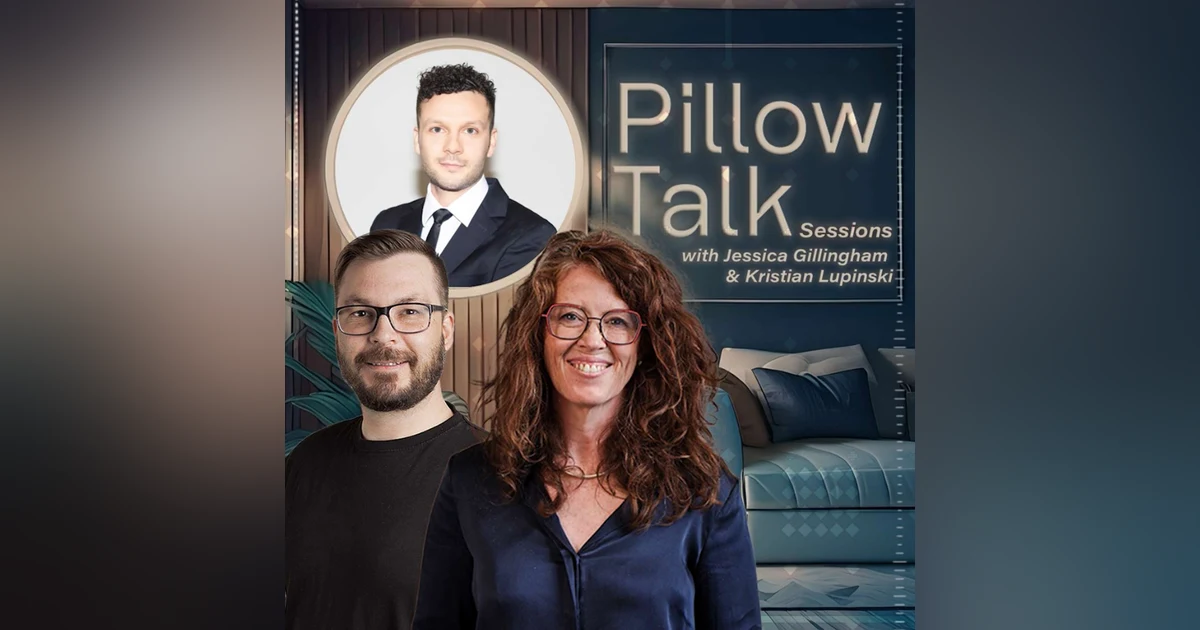
In this week’s episode of Pillow Talk Sessions, our founder, Jessica Gillingham, and co-host, Kristian Lupinski, chat with Bart Sasim, CEO & Founder of Spatial Experience, about the evolution of Purpose-Built Student Accommodation (PBSA) and what’s next for the sector.
Bart shares insights on:
🏢 The transition from traditional student housing to modern, service-driven PBSA.
🔄 Subscription-based living models that offer flexibility and affordability.
🤖 How data-driven personalization is enhancing student experiences.
📊 The role of technology in shaping adaptable, community-focused student housing.
Meet the host of Pillow Talk Sessions
Jessica Gillingham is the Founder and CEO of Abode Worldwide, a strategic public relations agency dedicated to elevating the profile of transformative technology solutions in global hospitality, lodging, and rental living. An established industry thought leader, Jessica is a frequent conference speaker and author of Tech-Enabled Hospitality, a new book exploring the innovations shaping the sector.
Welcome back to Pillow Talk Sessions. I'm Christian Lipinski and joined as always by my co-host Jessica Gillian.
SPEAKER_03Thanks, Christian, and today we're joined by Bump Sazim, who is the CEO and founder of Spatial Experience. We're going to be chatting to Bump about student housing and how PBSA is shaping the rental living sector and his views on what PBSA 3.0 is.
SPEAKER_04We'll also dive into the shifting tenant expectations, you know, the balance between amenities and affordability and how technology is kind of redefining the modern rental experiences.
SPEAKER_03Bart, thank you so much for coming on Pillow Talk Sessions. We're really pleased to have you as a guest, and I can't wait for this conversation. But before we sort of get into the nuts and bolts, would you like to sort of introduce yourself, what you're doing, and let our audience know a little bit more about you?
SPEAKER_02Sure, absolutely fine. Thank you so much. Good morning, everybody. Thank you very much, Jessica and Christian, for inviting me here. Pleasure to be here and uh sharing some of the insights uh that might be useful for others. And I'm very curious to uh to dive into uh these different avenues on uh PBSA and other topics. A little bit about me. Well, I describe myself as a creative uh strategist. My educational background is actually in uh interior architecture and retail design. Initially, I educated uh in the UK and then I moved on to uh at least in the Netherlands, uh where then I started my professional career. I yeah, I I I would I would say I'm quite an interdisciplinary person. Uh so with my uh company, it's called Special Experience. I'm a CEO and founder. Uh the company started in 2012. We've been working on the intersection of uh research, design, technology, but also branding and marketing for the last uh 12 years. Uh, with the first clients uh being the student hotel, uh in hybrid hospitality PBSA through uh the class and other clients that I'm very happy to uh talk a bit uh about later. Uh but uh but overall I would uh I would describe myself as a kind of uh uh an architect or interior architect turn an entrepreneur, to put it simple.
SPEAKER_04Yeah, absolutely. I I think that will will give a lot of context to what we're talking about today, as I think we should just jump straight in. You mentioned you know, student living and things like this. I think this should be the one of the first topics we cover because you know, today, as students, I mean, when I was a student, student living was much different. But today, students' expectations, you know, have this high-level service and amenities in PBSA. So, how do you think these expectations, as you know, they're leaving student accommodation and moving over to rental housing, you know, how should this industry respond to meet these elevated demands of you know, these former students now moving into this industry?
SPEAKER_02Wow, that's a nice question. I actually heard one of the talks uh previously with with Ben. So starting from well, from basically plug and uh play, right? That's what uh students are talking about. And Ben uh from Loft was talking about fully furnished concepts. So I'm not gonna add much more about this, but on the top of this, definitely when it comes to to the shifts, you know, to the shifts, you know, in PBSA, Christian. I think we're in the same age, so experience the same type of let's say student housing 1.0, HMO, you know, this kind of PRS, you know, very improvised, not really professionalized. Uh I think in the US you you might have uh had a little bit better version. In UK, in my times, I was when I was starting my studies in 2006, there were really nice PBSA, let's say, first schemes, but I was not lucky to get into them. So there was basically maybe too much of a demand for such a product. So I was not lucky to live in them. I was living in HMO. So, like uh having this uh fully furnished concept where you can actually move in and start studying and uh enjoying student life instead of uh looking for furniture and uh basically doing everything that uh you're not supposed to do instead of focusing and diving into study studies and study student life. That's something that's uh definitely a little bit different. So having fully furnished apartments and all inclusive bills that definitely helps you to gain time, and I think time is very, very important, you know. So that that's the first two elements I would I would say when it comes to this the shifts and the development in PBSA and student housing overall. Nowadays they I think expect more. I think it also comes with evolution of a little bit of like I was I would say consumptionism, you know, like when it comes to uh when you look at every single part of uh of our lives, you know, whether it is technology, gadgets, you know, the the phones that we are we are using. I mean, we've been using uh phones that were not uh even smartphones uh back then, and uh the kids are used already using smartphones uh when they go to uh uh primary school or a secondary school, whatever. So the the same the same expectations, you know, are probably then shifting towards other parts of life, other avenues, and being there's also the housing, and housing is very important. So in that particular matter, the amenities that will allow those students to to thrive, they also evolve. You know, when students are getting accustomed to this, that's what they're gonna expect in the next in the next uh chapter of their life, right? Whether it is going to be at uh BTR uh level, you know, and uh going to BTR scheme or uh co-living or any other urban living or uh wherever they would like to go while still maintaining the let's say the renter profile, they would expect the same amenities, facilities, but also this fully furnished plug-and-play offer is I think is very, very important in that respect. So with students, like if you ask what is the student life, uh, I think everybody has got uh similar memories in common. Events, uh parties, uh uh, you know, this uh movie nights, uh cooking nights. Uh this is very, very important. So programming of the space will uh I think remain uh very very important. And and there's like different, I think the different uh community focus, but like also user user, let's say user or resident initiated or community-initiated uh events uh are going to become more and more open. So I think PBSA uh, you know, in the beginning, I think it was really like a top-down kind of approach. And now uh I think with this new generation of uh Gen Z and Alpha, according to studies, that's more you know self-conscious, they will demand you know for uh PBSA to be a bit more of a let's say facilitation of their life, you know, making it uh making it uh easier, making it smoother, you know. So the flexibility needs to be also taken into account, whether it is flexibility in terms of space, so maybe having some spaces that that have got multi-functions, you know, that's that's that might be very, very important. But also the the flexibility when it comes to the the leases, you know, and because people do tend to um change, obviously. After COVID's COVID, COVID this whole notion of studies uh has uh has changed, and uh we we are finding ourselves in a completely different uh uh the world after uh after pandemic. This flexibility needs to be also accounted, you know, not only obviously with short uh short meet and uh long-term uh leases and this the space uh arrangements, but also in terms of like program, you know, to to allow for these different activities to take place, not only boring, you know, same old.
SPEAKER_03But there's so much to unpack in what you've said there, but I just want to say a couple of things. When I was a student, I lived in an HMO that was called the Bowl, and it was called the Bowl because it had a toilet seat outside the front door, and it was kind of the party house of the street that it was on. So it's like a very different, and and you know, I think it was, I mean, it was it, it should have been knocked down, like it was not, but that wasn't maybe so much the landlords, I think it was the us tenants in it that that probably should have been knocked down. But another thing, I have a child in first year of university, and I have another one going very soon. So I am paying for PBSA right now. I am a customer. I mean, not living in it myself, but I am a customer. So it is a very, you know, it's it's it's a really and a lot of, you know, it's a really interesting topic, the PBSA and how it's changed, you know, and how the expectations have changed and how the quality has changed over the years. But something that I would love to talk to you about is how home, and you have sort of touched on it a bit about how the pandemic changed, how we kind of experience where we live, but how has the definition of home changed for younger generations and how does that kind of impact where they live and and the provision that's provided to them?
SPEAKER_02It's a very good question because the definition of home uh obviously it's a it's a it's a big discussion and long discussion, and I think it does evolve actually, you're right, Jessica. It does evolve with time. I mean, for me, when you ask about home, let's start from there, maybe it it it always evolves about like where do you belong, you know, where you feel this sense of belonging. It it does evolve a little bit to this, like uh, I would say home becomes a little bit of a hub, you know, like this it's not necessarily fixed with location. Like for me, it was not uh fixed with location. Some of my some of my best friends uh stayed back back home and they started families. For them, home is a single city, and obviously uh it's a bit more traditional. But I met so many people along my journey that uh I think this home as a you know, this hub, home as a hub uh that is constantly evolving. This notion uh is becoming, I think, more and more common, especially with uh people who are curious uh about the world. And there's more and more people uh becoming curious about the world. So they travel, you know, they they go actually to study as an experience, not necessarily for education, right? I think also when when it comes to home, you know, there's two there's two aspects of home, you know. Sometimes you can mention like home in the context of house, you know, like so like the physical space, but also in this like a bit non-physical space, you know. So when it comes to like community, for example, over space, you know, the importance of belonging, what I mentioned about, and the importance of community instead of like having actually a space is is basically that's something that's uh uh the definity will gain on importance in the coming years, and you would it already does, you know. So prioritizing the social interactions over like large spaces, you know, people like to have this add ons, you know, to life, live uh live, live the life to the maximum, I think, especially in this period of life studies. This is the moment that you can embrace the most, you know. So every single moment counts, actually. So you, Jessica, as a as a mom that uh provides this PBSA uh experience, you definitely give more moments to your children than if they were supposed to sort out their own furniture and everything else, they would lose time, you know. That's something it's 21st century. Obviously, it would be uh nicer to have everything uh you know done, you know. But uh yeah, this doesn't come for everybody because obviously it comes with a price tag. But I think with more supply of uh PBSA and different types, because I'm a big big believer that uh we you know professionals also on this uh talk, we should create different uh options, you know, and should speak about creating different options, not only the premium, but also like a mid-range pricing and also budget, you know. But I I truly think that uh it it will evolve at some point, and it does already into like some kind of uh subscription-based uh living. I I've been writing about this already for quite some time. I truly think that uh it would be great that we we do have this uh this notion of of home that you can actually uh choose, you know, uh pick and choose what you want at home at this particular moment in your life, right? Because I think um people go through different stages in life, and it's not only about like this uh uh obvious stages, like you're a student, you're a young professional, then you uh you work, you maybe start family, and then you you're becoming like let's say active senior, and then you're like you need to be supported, you know. No, that I think that's something that is not that fluid, you know, anymore.
SPEAKER_03And uh people find themselves in you made it sound like a very quick journey, that as well. Yeah, to the to the city cabin, anyway.
SPEAKER_02Yeah, yeah, yeah. So I think this is good, we can talk about it later, but uh I think this is very important, and maybe last point the home is is also something that needs to be sustainable, you know, like not only like in terms of like eco-friendly, you know, and like uh social impact, but but also something that is sustainable also financially that can allow people to have this comfort of uh being able to spend money somewhere else than just the base, the basis, you know, in a Maslow or the new Maslow pyramid. Uh it's I think very important to uh to pay attention to this because at some point uh we might actually go over the border. And I think we we are tend we are tending to lean towards like a pretty bad situation right now with the the cost of housing and unsustainable financial modeling of this housing that does not necessarily meet the market uh demand. And we can see that yeah, it's it's widening, the gap is widening uh currently. So that's what I would say.
SPEAKER_04And that's that's yeah, that's a that's a good segue into the next topic, is because we're talking about affordability. You know, as these students are kind of shifting into these new kind of rentals and clients for these, you know, build a rent or co-living, you know, they have this expectation of this is what we came from, and now we're going to this, you know, the affordability is a big concern, whether it's inflation, what's happening in our lives, you know, and this expectation going into these new rental units, you know, how can these operators find the right balance between offering these attractive amenities that they expect, but also, you know, managing their costs as well as the costs of you know the renter? How can these these operators balance these things?
SPEAKER_02Diversification, to put it simple, I would say, you know, like when you when you think about it. I think I I think from my times uh at UK, I remember Asda, you know, or some other uh supermarkets, they did have these different ranges of products, obviously, premium products, you know, some of the products would be also produced by them. I think making amenities tiered, you know, not everybody needs everything, right? So like even looking at uh, you know, let's let's imagine uh Jessica is uh uh is an investor, a developer, and Kristen, you're an operator. You know, both of you want to do some business in PBSA. And then you look at this market, you know, of London or Manchester, any other big UK city, or maybe even Amsterdam and Rotterdam or whatever, Paris and Lyon, you know, primary and secondary cities, you know. When you when you look at those cities, having the same product everywhere, you know, so copy and paste, I don't think it's it's a smart strategy anymore. Uh why? This is my observation, obviously. Uh like there might be some people who do not agree. Because uh essentially you do not really have a, you know, you don't really give people choice, right? I mean, with with these uh different uh amenities, uh facilities being all packed up, you know, to premium state, then you you might not be able to tap into you know into wider a demographic, it's just specific demographic, and at some point when there is like high penetration of the market, then you've got uh then this premium PBSAs competing against each other, right? Whereas you've got on the other side this like let's say student halls. And I've been staying myself out of curiosity the other day at the LSE scheme at was it Camden. Uh I I was there somewhere on a conference. I really was curious, you know, how uh how did this uh operate? And I was staying there, and it basically was a really great uh experience, like quite good rooms, you know, not super fancy fancy, you know, like uh it could have been obviously uh better, but uh that they did serve also like uh breakfast, you know, it felt like kind of a hostel type, but but he was staying at the PBSA scheme, and I I could see that also students staying there and they're absolutely fine with that, not paying, you know, the premium price, you know. And this was kind of I would say mid-range, maybe budget, you know. And I I thought like, wow, you know, there is actually there are these really nice options that they don't have to be too expensive. You don't have maybe as many facilities and and amenities, but then you know, people can actually opt in.
SPEAKER_03Yeah, it's a really interesting concept that opting in or opting out, and and depending on what what's being offered, whether they whether it's an additional cost to the the user or an additional cost to the operator. And I'm writing a book right now, it's coming out in the summer and it's about hospitality technology and it's about tech-enabled hospitality. And in the book, I've interviewed a number of operators across hospitality. And one of the operators that I interviewed is an Icelandic hotel chain, and they have using technology, they gave the option to their guests to actually opt into cleaning, not opt out, but opt in. And they found, and I can't remember what the exact figures are, but you know, a huge amount of them said, you know what, we don't need the cleaning, we don't want to be disturbed, it doesn't make any impact on us. We we don't need it. So of course that saved resources for the hotel, and it didn't have any negative impact on reviews because it was meeting those guests where they where they were, and instead of just assuming they want cleaning every day or whatever, it was you can opt, you have to opt into it. And and it's and I think it does feel like that's a lot of the future, isn't it? And and I'd really love to hear more of your what you because you mentioned about subscription living, and that's something I'm really interested in as well. And it's sort of a little bit like that, isn't it? Isn't it? It's like you know, this is this is your you can choose what you want, basically.
SPEAKER_02Yeah, I think this is really about uh really understanding like uh Jessica, you mentioned about it. Uh probably there was some kind of feedback uh there from uh from the users, right, of the hotel. I myself also do not like to have it, uh have the room cleaned, but I've got the feeling that the business tend to be or want to be as uh as usual. You know, it's easier to copy and paste, you know, different models and just try to make it you know for new location, but rather than go back to the user, even you know, after 10 years of like uh being in business, go back to user, actually ask them like what do you need actually currently, and try to adopt because that's going to be that's going to be a challenge. But I think uh these days, you know, whether Jessica, investor, developer, or Christian and operator, you know, uh whether of either of you wants or doesn't want, you really need to look at uh where does it go to, you know, and with this new generation, you know, so millennials already steered a bit, you know, with this experience economy. Uh Gen Zs are you know steering even more with this uh self-consciousness and actually questioning many, many times. How um you know, how do we want to live? And and I think if you do not go back to to user and ask them, like, would you like to have this or that, then you know, then you're gonna be quite surprised when people are going to uh basically opt out from you or you totally because you do you're not flexible enough. Uh so this subscription leaving, when when I'm so coming back to the subscription leaving, I think Jessica, what what is very like interesting is subscription is that you basically can can always upgrade or downgrade, right? And and I think this is uh very important. Sometimes you've got this like down moments, meaning like down on time, because you are studying, for example, for for your exams and you would like your space to be cleaned, but you don't want to have it a whole year and you don't want to actually commit for the whole year. You're just like having a hard time and uh you've got more to do. And so why you shouldn't have an option to do that, you know, and then the operator and or like even partners, it could be external partners, right, that come and uh and and clean the space uh or help you organize a party because you're busier, uh busy around and you want to organize your birthday party, so you know, like supply some drinks, whatever, for friends to come together, etc. I think those services should be as add-ons, you know, and I think this can really accelerate the PBSA to another level. And obviously, the the whole rental sector, I think this this is uh something that pandemic also showed and surfaced that this on-demand services, you know, of like home delivery, uh, of even basic goods, you know, of additional services is is of need in this in this times, you know, of like pandemic, etc. It's the context, you know, like that PBSA is not only like the island, you know, and students nowadays. Like I talk many times to my sister because I'm curious, you know, this like I'm I already I'm I already got detached by I was studying like what in 2006, 2009, so that was like 15 years, odd odd years ago, and I've got now my younger sister studying. So I I really want to understand, you know, how people approach this. And I hear from her that, well, it's not only her, but people do not party as crazy, you know, uh anymore, at least here in like maybe it's uh it's it's her domain or maybe her uh department, but they they they like to do more stuff that you know that that is a little bit more conscious, you know. So they they do conscious buying, conscious uh experiences, uh experiencing of the sp of you know of the spaces, you know, like wellness is more important you know for them. And uh and essentially um uh they do not drink that much of alcohol. So the whole notion of the pup you know changes, but they would. Definitely like to rent some space to do something even crazy, you know, with their friends, whether it is, you know, karaoke, you know, or it is a female night, whatever. You know, what does it what do you actually need when it comes to this? You know, even as a student, you need a space, chairs, you know, the projector and and sound system. And on this, you can do yoga, you can do, you know, you can do a lot of uh a lot of things, you know, movie night, you can do karaoke night, you can do everything, you know. But like furnishing, you know, or like having this like smart furnishing uh approaches, I think that's something that uh will definitely change uh in in the future, you know, like being able to adapt the space uh a bit uh uh quicker, you know, so with with the furniture that can move in quickly, move out quickly, you know, and that the space it itself adapts, you know, uh according to the needs, the needs of today, not in five years when the turnover of the FFNT budget, you know, and uh you know and the CapEx OPEX game is going to uh make sense. You know, I don't think this is the the same anymore.
SPEAKER_04So let's you know, you mentioned it briefly in this last answer, and I think we should talk a little bit deeper on it. You know, as as these younger generations, as you mentioned, are valuing experiences, you know, more so over possessions. You know, how should these rental operators you know listen to these these young renters? How should they you know build a place that is you know truly resonates with with this experience-driven mindset?
SPEAKER_02It always, you know, I think once again, design, uh when you ask me, I mean you say design thinking, you know, really uh uh once again, going to going to to the end users and asking them questions, right? Like when you when you realize how detached you know we are right now when it comes to actually customization and personalization of the space from you know from actually where demand is, you know, and where the product is, and right now what we talk today on, in case we take it to uh you know to the to the authorities, you know, we want to get planning, we get it built, you know, two, three years, whatever, maybe even maybe with modular systems quicker, you know, it still is the the talk of the future. So when thinking today and when speaking today, we need to think like, okay, what is going to be the near future, but obviously not overdo it, you know, because we tend to overdo it. You know, we as uh as an industry sector professionals, you know, and we tend to overthink it without actually uh checking with the end customers, you know, that and actually even thinking, okay, what if if there is going to be, you know, if there's going to be shift, that there's going to be less students because uh the students are going to start uh working quicker, you know, they're gonna have a little bit different, let's say, patterns, life patterns, you know, we need to adapt this PBSA student housing to more of a kind of co-living, you know, BTR, you know, urban living schemes, whatever else. You know, I think we need to start understanding this right now. So I think customization and personalization, you don't have to customize it for everybody, but what I've been talking about opting in and opting out and using the lodging system and using the data that is out there. There's a lot of great service, you know. I think uh in the UK you've got especially like the biggest amount, I think, of uh all type of service, you know. So you can use data and uh define these different logics, you know, to define uh to understand the different uh logics, you know, and understand different uh data to define these uh spaces, you know, so to turn it into more like of a kind of spatial product, you know, key uh performance indicators, you know, so like special product, you know, and special, like you know, uh a special experience performance indicators that they they're gonna they're gonna perform differently in the future than they used to, because it's like this whole notion of uh of use, the utilization of the space uh changes, you know. So I think this is very important. And also, uh Christian, to your question, I think the hospitality uh inspired living, you know, this uh this whole notion of like uh having uh on-site uh team already, you know, not anymore, only uh concierge, but community managers, you know, and and having this human touch mixed with like smart technology that uh Jessica did mention about is uh is a key of uh of the future uh product, you know. And uh once again, I uh I I would um question how are we going to be working in the future, which will define the way that we live, you know, so this like hybrid uh work living uh spaces in terms of students uh as well, you know, because as I mentioned, some I've got the feeling that uh the universities uh are moving uh back in, you know, or let's let's say studying is moving back into PBSA scheme schemes more than they used to uh when I was a student, at least that's that's my observation, obviously. Uh and what uh and maybe this whole like partnership ecosystem that could uh stimulate uh the economy uh better. I think opening up the the the business uh for other uh businesses to you know to also tap into, I think that's something that uh would definitely benefit uh all of us and make it more sustainable, you know, economically and uh yeah, like and also ecologically, and there is going to be definitely a great uh social impact uh thanks to that, you know, new jobs. And that's something that we actually need these days in this silent crisis. I've got uh I've got the feeling that uh we need to cut down on some expenses and stacking up additional expenses without giving people choice whether they would like to pay for this. I think this uh drives us to uh uh to pretty much uh wrong avenue. Uh there might be a little bit of a crisis, you know, and uh and actually a discounting of those schemes in the future, you know, on the transactional level. I don't think uh yeah, I mean maintaining a business as usual will uh continue for for a while, but there is going to be a moment that uh this product might become a bit uh uh toxic, which I really wouldn't like to see because it's uh is a great you know sector that uh could evolve, but this requires a bit more flexibility and uh thinking over this.
SPEAKER_03So that sort of brings us into the as it evolves, and I know you've talked about the PBSA 3.0 version. How does it evolve to that? Do you want to tell us a little bit more of your thoughts on that?
SPEAKER_02Let me just turn this question, you know. So don't make yourself comfortable, please. You know, you're an investor and a developer, and uh Christian, you're an operator. I already did introduce it, you know. So let's turn this around. I'm I'm gonna share my thoughts, of course. Uh, but uh I would actually I would like to actually turn this question around. And you Jessica Lady's first, you go. How do you think uh this uh PBSA 3.0 is going to be? You've got you've got experience, first career experience with your with your children. So where what what is missing? Do you think and where do you think it's going to go from the investor and and developers' perspective? So touch upon experience as well, but also the product, you know, what do they like, what do they not like?
SPEAKER_03Yeah, it's very difficult for me to do it with the hat of an investor or a developer on, because I've never been either. But I have been a user and I do work with lots of companies that are operators or tech companies, you know, within the space. And I think that I think it's we're in a really interesting point culturally, societally, you know, and in terms of change is happening very kind of rapidly. And I think that the expectations, and particularly, you know, what did we say over the COVID time, you know, that advancements that might have taken, you know, 10 years took a year, certain adoption of lifestyle changes, technology adoptions, et cetera. And that's even quicker now. So I think then in terms of all the living sectors, from PBSA right up, and as you sort of said earlier, up to the, you know, when we get to the point where we need something different in our lives, a bit more care, etc. I think that what we are looking at, it's one of the things that we're really interested in talking about on this podcast, is around how a service experiential, and you've talked about it, you know, on here, but a service experiential element, wave, perspective, paradigm, or whatever you want to call it, is over everything. And as consumers, that's what we're expecting. We're expecting service alongside whatever product it is that we're getting. We're expecting how does it feel to be a buyer of this thing, as a user of this thing. So I think that in, you know, even from student accommodation, so even in the cheapest kind of you know, university digs that you you might have to the high-end bill to rent. That sort of how does it feel? What's the experience as a consumer of of this product? And and so, and I think that it's taking those principles from hospitality, from service, which haven't traditionally been there. You know, traditionally, here's your unit, here's your key, get on with it. You know, we don't want to know how you feel in there, or how you feel about your buyer's journey, or how you feel about our brand, or how loyal you are. We just, you know, here's your unit, basically. So I think that is is is is a big change that we're seeing, and it and it just feeds into culturally all other aspects of life as well. So those are my views.
SPEAKER_00And how about you, Christian? Like uh you come from hospitality.
SPEAKER_04Yeah, absolutely. I I think that's a really good point, Jessica. But you know, since since we've had these conversations in the series, we've talked to a lot of different people from different you know parts of this industry. So ultimately, you know, having uh a good structure there that is easily adaptable. You know, we talked to Citizen M and how they build, you know, modular units and things like this that they can adapt to all their different buildings, they can have it built in one place, but they're also easily interchangeable. If you want to pull out units and make a bigger space, you have the opportunity to do that. You know, there's things like technology. Another thing that I would say is, you know, be careful what you lock yourself into because this technology can change so fast. And if you have a legacy system that can only run certain things and you have uh doorknobs that only work on a certain app and that can't be changed, you know, you have to change those if something doesn't work out in the in the end. So, you know, being you know fluid with with the technology use, but don't lock yourself down in a certain thing because of how fast things change. So, anyway, those are my two cents. But you know, you're the one who's in the sector, we're the ones uh doing the interview. So I would like to hear your PBSA 3.0. Yeah. Uh in the same thank you very much.
SPEAKER_02But it's good, it's good to hear from you, right? You interview so many, uh, so many people, you're very smart in uh in this topic, so I'm very curious to pull your tongue as well. I think Christian, picking up maybe on what you just mentioned about technology, I think this balance uh of technological and human interaction is going to be very important in the future, you know. So like uh building seamless uh digital services, but still having the human touch because you don't want to end up with like AI robots talking to you when you actually want to talk to somebody uh human on either premises is a key. You know, obviously adapting technology even to the way that you know there is somebody else, human on the other side, but uh connecting with you remotely is already like I think this this kind of middle point, you know, where you you know that there is somebody sitting in a central office and can open a door or a locker, you know, like let's say parcel box or help you with anything else you might have a problem with at uh in the evening, for example, right? Or whatever. But uh I think uh when it comes to also when when we talk about sustainability, right? And this like you know, ESG aspect, you know, ecological or social aspect, we need to be able to measure, right? Where you know, where we can actually implement certain features better, and you know, others, you know, let's say dim them down. When it comes to uh IoT, for example, sensors, you know, the use of the use of space, what I've been talking about, you know, how much uh people actually use the space, even using like temporary uh uh sensors to uh to to map the interactions between people, to design better arrangement layouts. That that's where technology can can help us, you know. And IoT, for example, uh measuring the consumption of water or you know, smart uh heating systems, you know, not to not to not to overdo, let's say when it comes to energy consumption, you know, because like that sometimes it's overdoing overheating you know rooms is is common and that that that increases costs, you know, that in the end of the day people need to pay for, and and that doesn't do well you know for economy because it doesn't generate any additional value, it's just like a burnt money, and and it doesn't re-add to the experience, you know. And whether there's people uh on the other side of this, you know, of uh of the screen who are paying for it, let's say Jessica, you know, putting uh her bank account against uh you know against those uh you know non-utilized uh um uh let's say Celsius or Fahrenheit, whatever uh degrees, you know, that are up in the room. I don't think that's any well you know for us. But I think when it comes to the social interactions as well, you know, like understanding how much people actually uh not only use the space, but uh like you know, how do they um circulate in the space? Uh so I've been hearing like interesting insights and uh technologies uh that were alerting when it comes to the uh mental health alerting operators that somebody is staying in the room for too long, right? So something that might be uh then helping us with predicting whether somebody is having any problems, you know, anxieties, depression, you know, and whether we can help them, just give them a call and ask, like, hey, are you doing well? You know, like don't be don't be too sad if you didn't pass the exams, you know, on you know, it's the life goes on, whatever, some kind of support that uh these people are like they're also human beings. Yes, there are uh residents, they are customers, you know, but they don't want to be treated only as the customers, they would like to be treated as you know, one of the uh people that are part of the building, part of the community, and they can't always reach out to to somebody else. And so being reached out to them, you know, and having this kind of uh uh indicators uh coming from technology, uh, I think this is something that is very, very, uh, very important. And in general, balancing you know automation, uh, automation and human touch is going to be the domain of PBSA uh of the future. You know, I think if we want to drop down the costs, we can't expect everything to be done on a human level, but uh we can use utilize uh AI, you know, and other type of uh automations, you know, and integrate different solutions uh for the benefit of you know the pricing and also saving human time. People don't have to do this kind of I call it monkey job, you know, it doesn't have to be done by humans, really. We've got these face-to-face interactions to you know to do in like in in front of people. That's what people can pay for. And people never mind paying for others' people's time because they relate, they understand that everything takes time, everything takes care, you know, and I think this human touch is very, very important, you know, and this data-driven, I think what I did mention, and sometimes it sounds cliche, you know, okay, how to how to customize and personalize. Well, you can do it with the use of technology if you really like make your uh strategy being data-driven personalization, then you you you run these surveys, you know, you uh you try to understand who your customers are and how do they use your product, you know, what do they think about it, not get too spastic about you know negative feedback, just get on and you know get this product to a better state, uh, with the use of different factors, you know, and uh students, you know, parents, uh professors being you know, being the stakeholders, because in the end of the day, it is not only Jessica, it's not only her daughter, her son, anybody you know in in the family that uh is is involved in this, it's also the university, you know, and and it's a greater society, you know, that is going to benefit from uh from this improvement. So we need to, I think, balance this very well. But this is on technology level, to answer your question on the space level, I think I did already indicate it. I'm gonna just repeat it uh to summer this up, is going to be uh very much about adapting the space uh properly and uh wisely. And when it comes to uh experience and service level, uh I think um, and also uh coming back to the space, it's very important to leave certain spaces to be uh a bit more adaptable and a bit more multifunctional. And when it comes to the services, actually again rethinking uh the service stack and rethinking uh actually the the level of community interactions, you know, user community interaction, you know, so like an individual with a group, individual with individual, you know, looking into this uh different moments that uh you can create for for those people, not only this uh let's say group moments where some people who are extroverts might not be part of or want to be part of, uh, but this more like uh intimate interactions, and you know, and also different communities, you know, groups within within your uh schemes, you know, are having different different needs. There is going to be a group of people who want to cook together and they don't want to go to party, they want to rather experience you know master chef kind of experience, and and others would like to go to party, but pre-start the the party at at the PBSA, they don't want to go to the pub, you know, and they would like to just have like their own cocktail session, you know, and drink something nice and then go to uh to party further. Uh, I think pre uh pre-drinking, you know, this this whole concept of pre-drinking uh you know was long gone. Long gone, you know, and I think uh these days uh like people are looking for uh for other options of new pre-drinking, you know, and but they don't always have the space because they cannot host everybody in their you know tiny rooms. Uh you know, so I think there is uh there is different uh avenues, and uh we will definitely need to see it a little bit less uh you know, copy-paste, uh kind of shoebox uh model, more uh personalized, maybe even looking into like different clustering of spaces or changing you know the typology of uh of the buildings, you know, making these buildings a bit more mixed use. And even I think I would say the PBSA is going to evolve, uh, the PBSA 3.0 is going to go more towards like let's say co-living, you know, BTR, urban living. I truly think that uh the future is a little bit more blended and should be blended because then we also do not lose too much on this like uh knowledge transfer. I think that's what is very, very important. That uh we we tend to have this like different periods of life and stick to this these phases in life, instead of like actually managing to learn from each other and actually mixing students even with seniors, you know, like this gap, you know, is going to like instead of widening up and having this problems, you know, intra intra generations, you know, we can actually uh bridge it, you know, and generate more benefit, more profit for society overall.
SPEAKER_03That's interesting because that's probably you know how it always has been up until the last maybe hundred years, fifty years, or whatever. We're just going back to to where it was. But on that note, Bart, thank you so much for joining us. It's been really great having you and and learning. I've learned so much about PBSA on on today's show. But just as we wrap up, is there anything that you want to add? Anything coming up for you that you want to tell the audience about?
SPEAKER_02So, probably talking about what is coming up in the next uh couple of um months and this year, I would say the the Northern Start for the Northern Start for us is Co-Living Conference. We're gonna have actually co-living conference and co-leaving awards. The fifth co-Living Awards, where we actually have uh categorical student uh co-living, is quite provocative, you know. I would say, uh name uh is this about PBSA, about co-living. We tend to think uh about like really community-focused uh uh student living that embraces uh impact. So I think for those who are in PBSA, uh looking into who participates there is quite interesting. Uh and that's going to be in October uh 15, 16th, and we are also having a lot of conversations surrounding around convergence of different sectors. Uh, and that's going to be in Barcelona, but we will also stream it. A part of this we are launching and uh we are very active with Coliving Insights. It's uh it's basically a media and business intelligence platform where we also have uh webinars, we talk about different topics spanning you know across pre during development, post-development, investment development operations, scale up, you know. So I think just maybe a little bit different demographics, not only looking into students, but also like into young professionals, you know, startup families, you know, single parents, uh, and even seniors. Um, that's something that is on the horizon.
SPEAKER_04So, Bart, I just want to say again, it's been an interesting conversation. I think this conversation can go on for many, many more hours. Thank you. But we'll save those many more hours for the future. But again, it's been a pleasure to have you on today.
SPEAKER_01Pleasure to be here. Thank you very much, Christian. Thank you very much, Jessica. And uh, I hope to uh see you in person sometime soon.
SPEAKER_03Great. Thank you, Ba.
SPEAKER_04And that wraps it up for us today. So thank you guys so much for joining us on this episode of Pillow Talk Sessions. To stay connected and catch every new episode, do us a favor and head over to PillowTalkSessions.com to subscribe. And be sure to follow us on LinkedIn for more insights and interviews with leaders who are shaping the future of hospitality, multifamily living, and community driven spaces. Thanks again for tuning in, and we'll see you next time on Pillow Talk Sessions.


