From Startup to Unicorn: Building Hostaway and the Future of Vacation Rentals with Markus Rader (Hostaway)


 RSS Feed
What does it take to build a billion-dollar technology company in an industry you knew almost nothing about when you started?
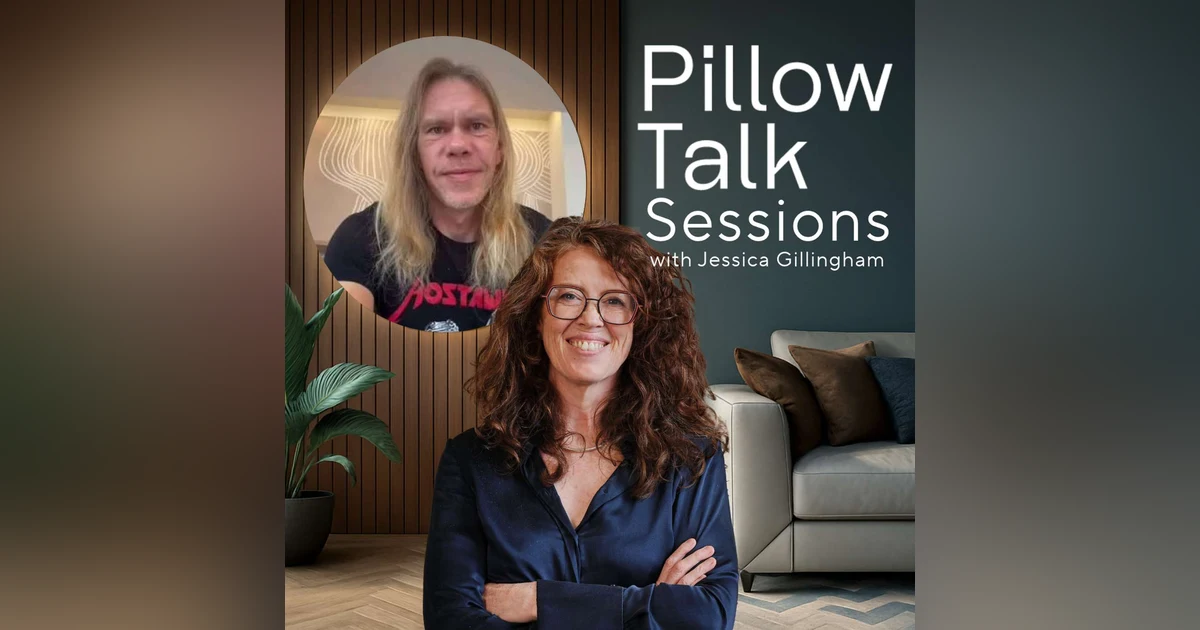
In today's episode of Pillow Talk Sessions, I sit down with Marcus, co-founder of Hostaway, to explore the remarkable journey from identifying a gap in the vacation rental market in 2015 to building one of the industry's leading property management software platforms.
Hostaway's beginnings were anything but conventional. From sleeping on air mattresses during a trip to Paris to navigating the collapse of the vacation rental market during COVID, Marcus shares the challenges of scaling a business, the importance of staying close to customers and why admitting you don't have all the answers can be one of an entrepreneur's greatest strengths.
We also look at what's next for the industry. Marcus believes that data security and privacy are becoming some of the biggest challenges facing professional property managers, particularly as businesses adopt more software and AI tools. And while those technologies introduce new risks, he also sees a future in which AI fundamentally changes how property managers operate, shifting their focus from managing daily tasks to overseeing systems that can anticipate and execute them.
The conversation gets into:
- Building Hostaway from the ground up: How Marcus and his co-founders identified the need for professional vacation rental software and built a business without significant initial investment.
- Learning from the customer: Why Marcus decided to manage vacation rentals himself, what he discovered about the realities of hospitality and how that experience shaped Hostaway's customer-first approach.
- Surviving COVID: How Hostaway navigated losing around 60% of its customers, the difficult decisions that followed and why listening to customers helped identify a path to recovery.
- The growing threat of cybersecurity: Why guest data is becoming an increasingly attractive target for scammers, and Marcus's own experience with a compromised holiday booking.
- The future of AI in property management: How AI could transform daily operations, why security must be built into new technology and what Hostaway is developing to support the next generation of property managers.
One of the most interesting threads throughout our conversation is Marcus's belief that successful businesses never stop learning. Whether it's listening to a frustrated customer, challenging established ways of working or finding a small way to stand out from the competition, growth comes from being willing to adapt.
For property managers, hospitality professionals and anyone interested in the intersection of technology and entrepreneurship, this episode offers a fascinating perspective on where the vacation rental industry has come from and where it might be heading.
🎧 Listen to the latest episode of Pillow Talk Sessions to hear Marcus's story and his thoughts on the future of professional vacation rentals.
#PillowTalkSessions #Hostaway #VacationRentals #PropertyManagement #ShortTermRentals #HospitalityTechnology #ArtificialIntelligence #Cybersecurity #Hospitality
Links
Explore related industry analysis and strategic perspectives:
- Abode Worldwide Insights: https://abodeworldwide.com/news-insights/
- Pillow Talk Sessions: https://www.pillowtalksessions.com/
- Pillow Talk Sessions on LinkedIn: https://www.linkedin.com/company/pillowtalksessionspodcast/
- Markus’ LinkedIn: https://www.linkedin.com/in/marketingmarcus/
- Hostaway: https://www.hostaway.com/
Meet the host of Pillow Talk Sessions
Jessica Gillingham is the Founder and CEO of Abode Worldwide, a strategic public relations agency dedicated to elevating the profile of transformative technology solutions in global hospitality, lodging, and rental living. An established industry thought leader, Jessica is a frequent conference speaker and author of Tech-Enabled Hospitality, a new book exploring the innovations shaping the sector.
We lost about sixty percent of our customers and we let uh forty percent of the staff go. I was in a position where I was almost successful but very much failing, and I spent the next three months just talking to every single customer that had any worries, concerns, or who had lost their business. We managed to accelerate really fast compared to the competition. I see the same very much with property managers. Those that uh are the most successful are always the ones who are wondering if they actually have any idea what they're doing, and then again the ones who know it all already, who don't need any advice from anyone, who don't need any coaching and are not interested in improving, they're always the ones who end up failing. So you gotta always be very humble.
SPEAKER_01Welcome to the Pillow Talk Sessions podcast. My name is Jessica Gillingham, and I am the host. In today's session, I have the pleasure of speaking with Marcus Rader, who is one of the co-founders and the CEO of Hostaway. And in this conversation, we talk about everything from how Marcus and his team went from being an incredibly lean startup to the first unicorn in the short-term rental software space. We talk about how being customer-centric is the absolute foundational philosophy behind the company. And Marcus also shares with us his concerns and his thoughts on how the industry needs to take data security absolutely seriously. So join me and Marcus for this pillow talk sessions conversation, and I hope you enjoy it as much as I did having it. Marcus, thank you so much for joining me on a Pillow Talk Sessions podcast. I'm really, really excited for this conversation. I've had you on panels, I've done, I've moderated the Hostaway webinar for several years in a row, the end of year one, and I always love what you have to say. And so just to begin, Marcus, what I would love for you to tell our audience is about the beginnings of Hostaway. So you didn't come, you and your co-founders didn't come originally from property management, you came from software. What was it that you saw in the vacation rental industry that was missing that you really wanted to solve, let's say, for property managers and hosts?
SPEAKER_00It was a very unromantic, uh pragmatic approach. I uh I basically uh market opportunities are found when when they're not obvious to the eye. And back in 2015, uh Airbnb was branding itself as a way for people to rent out their summer home or maybe a spare bedroom. Um, and uh that was the image that everyone had of the service, and they thought it was a bit amateurish, not uh professional, but that was nice in its own way, a bit like couch surfing. Um but what really surprised me when I started researching the market was how incredibly professional it was, how there were investors that had a lot of units and property managers that were managing them, and they were all trying to upkeep this facade. I I met a property manager who had uh 140 properties and they had 140 unique profiles on Airbnb, each one of them hosting one property. And um as I started diving deeper into this, I found out that there was one massive uh massive thing missing or preventing these property managers from prospering, and that was good software. And I thought, well, that's great, because if it was something else, I couldn't build it. But if if it's software, then that's what we can do. But it uh yeah, it wasn't uh really clear. I actually at Picash Rental World Summit uh a few weeks ago, I I met Richie who started Pricelabs, which is one of probably one of the most used uh Pesh Rental softwares outside of the OTAs in the entire world. And and he we we remembered back in 2015 when we were getting started, we were actually living about a hundred meters from each other. Without we didn't know each other at the time.
SPEAKER_01Wow.
SPEAKER_00But it was a funny coincidence. Now he lives in India and I I live in in Poland, but uh but back then we we lived very close to each other. And uh and he said, Do you remember that we had no idea what we were doing? And uh and he he mentioned this uh this funny thing that they had a customer who uh who wanted to connect to them but they needed a PMS. And they had uh their chat had suggested why don't you perhaps you should consider PMS? Uh and the the customer got incredibly offended because they didn't know what a PMS was, that they thought it was something else. But but he was right. We had no idea what we were doing, and we had no idea what the industry even was. Uh so I was trying to get together the founding team and figure out you know how how do we start a company that requires a massive amount of investment but without having access to any money or capital. Um and uh so I eventually found my my two co-founders and uh and one of them said, Well, Marcus, if what you're saying is true, that the Airbnb is actually yeah, this was uh Miko from uh from Finland. He he was renting out two places himself, and he thought that's what everyone else is doing. They they own the place and they rented out and they they enjoy giving good experiences to the guests. And I told him, No, no, no, it's not at all like that. That's not what this business is running on. And he said, Hey, there's there's this trade show in Paris, let's let's go there. It was called Airbnb Open. And uh and I said, That's great, but we don't have any money. But uh but he said, Hey, I'll I'll buy some tickets. Uh and I said, sure, let's let's go. Uh, this was before the company was even even founded, so it was just an idea at the time. We went there and during the first day we got to speak to a lot of people who exactly confirmed my thesis that these are not people like Miko who are renting out one or two homes that they bought as investments, but rather people are managing hundreds of properties. That's what this industry is all all about. And uh on that on that first evening, we got to sit down in a restaurant when when uh we decided to leave, and suddenly there were sirens everywhere. And uh we went into a bar uh just to find out what's what's going on because there were helicopters and uh ambulances and police everywhere. And they said there's been a bombing. It was the Bataclan uh bombing. 150 people died at a concert in Paris, and they they cancelled uh the show, of course. Um so we went back to our Airbnb. It had only one bedroom, so we were sleeping in uh on air mattresses. Uh that's where Airbnb got its name from. Uh and uh and there we started putting numbers in a spreadsheet, and uh and Miko said, Hey, why don't I put in the initial capital here so that we can get the company started? And then we agreed on it and uh and we became three co-founders, and that's how we started uh Hostaway with a with a big bang.
SPEAKER_01Wow, and that's quite a journey going from not being able to buy your own tickets to an event and sleeping on air mattresses in a shared room to now being a unicorn, Marcus. Like that's quite a journey. And I and I wonder with your co-founders, like the three of you that started Hostaway, Saba, Miko, and yourself, what did you what were all your kind of unique um your your unique attributes that you brought to the the initial co-founding of Hostaway and then for the early years as well?
SPEAKER_00Uh so initially uh I I had the the market research, talking to customers, figuring out what needs to be done. Um but then I couldn't actually do anything because it requires doing things, which I didn't know how to do. I don't know how to code, so I can't code. Um But that uh that gap was filled in by by my co-founder Saber, who who was uh I had worked with him previously, and uh he was a pretty pretty good coder. Um but then there's another aspect as well uh in in business. It's not good enough that you understand the market and and can relate to the customers and can build a good product. You also need to run an actual business, and that's that's uh a skill that is is not that difficult to learn, but it's still one that you have to learn. Things like how do finances work, how does money come in and out, how do you pay the bills, and um and legal frameworks, how to set up entities, how to employ people. We employed people the wrong way in the beginning and very quickly learned, okay, let's not make those mistakes again. But that's where Mikko came in and and also introductions to investors. We although we we didn't we were never successful in raising any substantial capital in the beginning, uh, but we we kept trying, and it was really good because a lot of these investors they were questioning us and uh and they were asking sometimes irrelevant questions, but sometimes very relevant and very painful questions. For example, why do you have the right to even exist? Uh that's uh that's a tough one for any any entrepreneur to have a.
SPEAKER_01And what was the answer to that one?
SPEAKER_00The answer is it it doesn't really matter. We're we're in this for the for the long run, and uh and we're gonna do whatever it takes. Because we didn't we didn't actually know the answer. That's uh that's the truth.
SPEAKER_01Yeah, it's really interesting learning about how to run a bit you can have this brilliant idea, see a gap in the market, have a vision, but actually learning the the nuts and bolts of running a business and running a scaling business as well, um, is is a lot to learn. I read an interview that you did, and I actually think it was VRW with VRWS, and you talked about a book that you read that is the the hard thing about hard things, and I read it after I read that you read it, and it really I thought it was great, and it helped me get inside the minds of of people like yourself, you know, the the real kind of tech um entrepreneurs out there. But tell me about what you learned from that book.
SPEAKER_00Well, my my wife told me to read it before I started the company, uh, and I thought, well, I'm I'm not one for for reading stuff, and and I postponed it. And I think I was seven or eight years in when I finally picked up the book, and uh it's it's one of the few books that have ever made me cry. I was just because I thought it was just me. I didn't I didn't realize that this is perfectly normal, that the all the terrible things that we have seen and experienced, and all the good things that we have seen and experienced, we thought that was unique. But it turns out that's pretty much every successful company. And and in many cases, the unsuccessful companies, they have to go through the same things. But the the roller coaster of emotions is just so incredible, and that book depicts it very well when you have to make decisions without having any, you have no knowledge, you have no input, you just have to trust your gut instinct. And in many cases, those decisions they're they're life or death, but in hindsight, they actually were completely meaningless. But you you can spend endless nights thinking about which way should we go, and then you have to make up your mind and live with the consequences, and it's just really, really hard.
SPEAKER_01Yeah, and I guess it's getting that identification that this may feel like a unique journey, but it's one that many have have um done in their own way in terms of scaling a business to your size. Now, Marcus, you came from software, you started the business with your co-founders. Miko had a couple of properties that he hosted, but I know that one of the things that you have done is bought and managed properties yourself to learn a little bit more about what it's like from your customers. So tell me about that approach.
SPEAKER_00Yeah, well, that's uh that's almost right. We didn't buy any properties because once again we had no money. Uh, but uh uh I realized after talking to enough of these customers, I think I interviewed 40 property managers before we even started the company, and and of course hundreds after that. Um I realized there's only so much I can learn from what they're saying compared to actually doing it myself. So uh we decided to start hosting uh properties, and uh and the easiest way I could figure it out was that why why don't we do a revenue share? We find someone who has a property because that's expensive, and then we tell them we're gonna rent it out, and we're really good at it, although we had no experience of doing so. Um and then we'll split the profits. We get 20%, the owner gets 80%. And I was able to find uh two pretty good properties that actually produced produced some money for the owners better than uh than long-term rents, and we managed those for a couple of years. And I'm I'm very happy we did that because uh it's very difficult to go out and tell customers why don't you just get some properties unless you've actually done it. Because it's a it's a very different thing, talking about stuff or or doing it yourself. And and uh and we did that, and we we got to experience I think it took us two years before we finally got most of the experiences that we've heard people talk about, and we actually got to experience them.
SPEAKER_01And what were those experiences? So what what did you kind of learn when you were doing the doing?
SPEAKER_00Well, one is that it's it's a live business. It's a business that runs all the time. It's not like uh a bakery where you run out of bread and then you close the door and then nothing happens. No, this this runs 24-7. You have guests or or you don't, but you're available to be booked and uh and there's no stopping it. That makes it dynamic but also challenging because a lot of people they like to sleep at night, and uh and that's something that's quite difficult in this in this industry. Um another thing is that you can't really rely on anything uh working. You can do something a hundred times and it works, but then in most businesses that means that it's working forever, but not here. Here, something will always change, something will break. There will be a guest that does something differently. Uh maybe something that all the other 100 guests had a good experience with will suddenly be the worst experience of their lives for guest number 101. Uh, there's always that Sunday morning when you're when when you apply something really important and and your cleaner just doesn't show up, and you've got to check in at uh at 3 p.m. and it's it's 1 p.m. and you have to go and clean yourself. We we did that quite a few times. But it was uh it was exciting.
SPEAKER_01Yeah, no, that's good. And you're known, Marcus, and Hostaway is known for being very customer-centric, like the your customers are very much at the center of your proposition. And I've seen you on stage basically offer out your phone number to anyone and saying, you know, if if you want to have a chat, here's my cell. Tell me about that customer, putting the customer that in the center of your business and how that kind of plays out and how you think property managers should view that as a proposition as well.
SPEAKER_00I think there's there's a lot of a lot of companies in this space that are started by property managers, and I think that's great that they have the firsthand experience. Uh, but I of course we have a marketplace with over 300 companies. These are all companies producing vacation rental software just like us, and many of them are quite new to the industry. And sometimes when I talk to them, they come in with the attitude that they know everything and they know what this industry and the people in it need, and they're gonna build that. Uh sometimes they're right. Um, but I I think the ones who succeed better are the ones like Richie from Price Labs and me who said we have no idea what we're doing, but let's just try to do our best. Um, I see the same very much with with property managers. Those that uh are the most successful are always the ones who are wondering if they actually have any idea what they're doing. And um and then again, the ones who who know it all already, who don't need any advice from anyone, who don't need any any coaching and are not interested in improving, they're always the ones who end up failing. So you gotta you gotta always be very humble.
SPEAKER_01And having that beginner's mind, you know, and also that I guess that you don't know what you don't know.
SPEAKER_00Exactly.
SPEAKER_01Yeah.
SPEAKER_00And uh yeah, because of our lack of experience within the industry before we got started, we we had to be customer obsessed, and uh and throughout a lot of a lot of trial and error with with employees, we found out that there's there's basically two types of employees. There's those who really care about what the customer experience is, and there's those who don't. And we can't work with those who who don't care. Uh so one of our interview questions is what what interests you about the vacation rental industry?
SPEAKER_01I heard actually on another podcast, actually, I think it was Rachel Olday, of um Abode Luxury Rentals talking about the hospitality gene, and actually about how if you're the type of employee or person that just cares about how other people experience something, and that can be either in um property management or it can be in a software company working with customers that you really care whether your your customer is enjoying the experience, getting something out of the experience. And she called it the hospitality gene. So it sounds like you really hire for that.
SPEAKER_00Absolutely. And uh one of the challenging parts that every property manager who's managed to grow beyond 200 properties can relate to is that you need to build a lot of processes. There's things you can improvise and do when you have one and ten and fifty, maybe a hundred properties. But after that, you you have different people doing the same things and you need more standardization. The challenge with that from the customer perspective is that sometimes just everything goes wrong. Just like in a in a restaurant can have a thousand perfect servings, but then there's this one customer who who made a reservation and the reservation isn't there, but they somehow get a table and then they make an order, and for some reason it takes an hour to arrive, and when it arrives, all the food is is wrong, what they ordered. And when they get the right food, it turns out it's overcooked or undercooked. Sometimes these things just happen when you have enough big numbers, and that's that's why I want to make sure I understand every time that happens with one of our customers that they they understand that they can just call me. Because I really want to find out what are the reasons behind that. Sometimes it's random, but sometimes there are things that we we have overlooked and we we make improvements based on that.
SPEAKER_01And what what can you give any specifics about what they've called you about?
SPEAKER_00Yeah, there was this one case, this one weird case just recently where a property manager who has been a property manager before but took a break suddenly had an opportunity to operate 28 uh units in one building. And uh they they had used Hulseway before, so they were very familiar with it and they they wanted to use us uh for it. But then there were some challenges in the building, it couldn't reopen, and they had to wait basically two years, and and the way our customer success team managed obviously they didn't want to pay and they shouldn't pay because they don't have a business, we have no benefit in that. Uh but our team didn't quite handle it or understand the situation correctly. Uh so they reached out to me, and I'm very happy about that. So then we got to clarify. But on the other hand, that's a pretty rare case where you have someone who has zero properties and then suddenly a lot of them, but then they're not actually opening and you have to postpone it by two years. That's yeah. That that I've never seen that exact customer experience before. So it's obviously obvious why we didn't have a process for that.
SPEAKER_01Yeah. So now you do have a process for that, I presume.
SPEAKER_00Yes. And that's what one of the nice things with uh with being so so big and having so many different types of customers in different geographies and uh and of different sizes, different business models, is that we we can ensure that not only the software but also the experience works for for as many as possible.
SPEAKER_01Yeah, brilliant. Marcus, I want to talk to you now about a moment in time, a big moment in time, but the pandemic, COVID, the pandemic. You'd been going for a few years at that time and going, you know, going well, a growing software company, maybe five years old, four years old. What happened during the pandemic? And how did you how did you come out differently from that period of time?
SPEAKER_00Well, we weren't actually growing. Going that well, but uh I think it was in fall 2019 we finally got the recipe together for sales, and we hired a new sales leader, and we finally had the plan how to get sales and marketing to work. We we already had the best software at the time, but we didn't have many users because uh turns out well I I think starting a business is very much like being a musician or being an actor. It's one thing if you're good at music or good at acting, but then running the actual money part of it is a completely different game. And it doesn't matter how good you are at playing an instrument, either you know how to run the money part or you don't. And that's why you see successful bands like Metallica have a huge amount of money. Um, Sylvester Stallone is very rich, but there's many other examples where brilliant musicians, brilliant actors end up having no money at all because they didn't know how to do the business. We were a bit the same. We didn't know how to do the marketing of sales, but at least we knew we had to fix marketing of sales, and we got the plan together uh actually, and we took a photo of it. We we finalized it in January 2020 and started implementing it right away. We had hired a brand new marketing team and 10 new salespeople on top of our existing five by early February. But then the 20th of February in uh 2020, suddenly we we thought there was something wrong with the software because we were getting basically most of the reservations started getting cancelled, at least from Airbnb. And that's because Airbnb cancelled every single reservation. That's when we realized this is not gonna go go well. And um and soon we figured out what's going on, and we we realized that whatever plants we had, we have to throw them in the garbage bin. And of course, we we didn't have any any money again. Uh, so we had to let a lot of our people go. And I think we lost we lost about 60% of our customers, and we let uh 40% of the staff go. Um most of them new ones, that are very happy for those who stayed. Um I I spent I I realized because I was in a position where I was uh almost successful but very much failing business business owner, and I I realized that every other every customer we have are right now in the exact same shoes. They're for reasons outside of their own control, things are not going the way they should, and they they can't pay their bills, including their bills to us. And our support started getting overloaded with uh with calls from our customers saying they can't pay the bills, they can't keep the lights on. And and I thought I I can't let my team handle that, that's too hard. So I said, okay, I'm gonna clear out my calendar, which was quite easy because all our plans were thrown in the garbage, so I had nothing else to do. And I spent the next three months just talking to every single customer that had any worries, concerns, or who had lost their business. Many of them actually lost it right away. Um, and what I learned there was it it was very rough to do that, but what I learned there was uh was that there were different people, different regions in the world, and there was uh one market that was opening up already in April, two months later, and um and we decided to focus fully on that market. That uh that market was uh Florida, United States. Uh they were open during COVID and people returned there. So it was easy for us to then shift our marketing, our product, our support. We had to make quite a lot of changes because we were very international before, but then we focused just on that market and we we uh managed to accelerate really really fast compared to the competition. But we didn't see it in our numbers because as we as we kept gaining more customers, we were still losing because COVID came in in waves. There was the the summer of 2020 when people thought things were opening, but then they closed down in fall. And same thing in the next summer, 2021. So even you know, 18 months after COVID started, we were still losing customers because of COVID.
SPEAKER_01Yeah, and that um focusing on seeing where you could focus, so Florida was uh sounds like that was so important to just get back on track, but also a time for just really learning from your customers as well and having that kind of deep empathy for where they were at in their businesses. Um it was challenging times, very challenging times. Um Marcus, moving on, I I want to talk to you a little bit about bigger picture industry things. So we had that period of time over COVID. After COVID, we had sort of like the gold rash of um the growth in the industry. What is it that you see as being the big challenges that the vacation rental, the professional short-term rental industry is facing now? Like what is it that you're seeing?
SPEAKER_00So uh a few years ago, most property managers were worried about uh regulation and oversaturation of the markets. I think that's those are topics that can be mostly put aside today. There's bigger, bigger issues at at hand. Uh and overall, the the market is healthy. Uh despite the fact that the US, for example, has uh a lower demand from international tourism than before, the tourism market is very much allied in the US. And just an example, Miami Beach uh has the highest ADRs ever for the last three months, and have had actually also last winter. That's just an example, and that's the the highest ADR in the entire country. And well, if times are really bad, you don't sell at record prices, it's it's that simple. Um, and a report just came out that said that Europe is now the leader. So out of all the tourists in the world, 53% come to Europe, and they're gonna accelerate that leadership at least until 2036. The report could only predict the next 10 years. So, at least in in Europe and in North America, we are set for very strong growth in the vacation rental industry. But uh one thing that uh keeps me up at night, and I know for a fact that it keeps quite a few of our customers. Fortunately, I would say most of the property managers are completely unaware of these type of challenges. But one thing that has uh bubbled up quite quickly and will will continue to be a challenge is uh data security and privacy. Uh because um just just recently Airbnb made some changes that they no longer share the phone numbers of the guests. And and that's I think is uh is a good preemptive move that will protect the Airbnb, but also protect the guests. I mean, the guests are the ones who bring the money to this industry. Without them, we well, during COVID, we saw what happens if all the all the guests disappear, and it's it's not a fun industry to be in. But uh we need to protect their data. And uh one of the challenges that the hotel industry has been having for decades, actually, is all the fraudul fraud and scams that are going on. Because in the hotel space, you have uh a massive amount of different softwares that do different things. Uh, for example, they have one channel manager, then one PMS, then one revenue manager, and they're all connected. And it's very uh to make matters worse, they're very local solutions. So if you're based somewhere, you're gonna be using a solution that has only a couple of thousand customers in that area, but that makes it an extremely easy target for someone to scan. Because if these are small companies, they don't have a lot of money to put into data security. And if you can hack there, you can get the all the guest data of 3,000 hotels. Well, that's a lot of guests. And then all of a sudden, all your guests receive a message that they need to reconfirm their booking and hand over their credit card, and a certain percentage do, but it's the hotel that ends up uh being blamed for it. And uh and there's also, of course, the OTAs, they have their own responsibility. Uh, but the fact is that what's happening in the vacation rental space right now is quite similar. There's a lot of property managers that are using just an enormous amount of tools. They might be having five or ten different softwares that all have access to the same data, and that's very risk. And we've actually seen quite a few. I I can I can share my own booking experience. Um, see the solar eclipse in Spain next year. We we tried to find somewhere in Africa, but we we just thought the gamble is too big because based on reports, a lot of people that have booked places that seem reasonable, uh suddenly they get a message saying, Oh, we didn't realize there's a solar eclipse, you need to pay five times more. So we thought, let's just book something in in Spain. But surprise, surprise, everything is fully booked. And uh we were able to find a very nice villa in Malaga and we booked it. And when they when uh we made the booking, they sent a message saying that we need to upload our passports to one of our marketplace partners. I'm not gonna name them by name, but they're a fairly uh well-used solution for gathering the guest data, which is a requirement by the governments in in many areas, including in Spain. Uh and I told them, I'm sorry, I work in the industry, I'm not gonna upload my passports there because I I don't want my and my family's passports to be available to the dark web. They have an active security breach and they have no idea to fix it. And property manager didn't really know what to do. But now I don't know how to go through with the booking. Well, just two days after that message, then I received uh a message of WhatsApp saying I need to reconfirm my booking. And uh and I reached out to them and said, Hey, you know, this is why I'm a bit wary about this. I I guess this is not from you. And they said, Yeah, we're really sorry, our PMS was hacked. This is uh we've also had a lot of customers from Hostaway reached out. One of them reached out to me directly and said, Hey, you have a data breach. And I told him, I'd be very surprised if we have that. But we always do a thorough investigation. One of the nice things, and outsides, but one of the really good things with Hostaway is that we're based in the EU, we're headquartered in Finland, which means we have to follow GDPR really, really well because the fines are massive if we don't, which means we need to take security, whether we want to take it uh or not, take it seriously, we have to, because it will be so expensive if we don't. And this is very different from uh from many other regions in the world where there are no fines or anything if you don't do things the right way. Um, so we we did an investigation and the customer was very cooperative. It turns out that they had connected Groc, which is the agent of X or Twitter, uh, to do things on Hostaway. And through that, they had been able to get the email address of one of their new employees, and they were able to send an email that looked like a guest inquiry. They said, Hey, we're trying to book your property, but it doesn't go through. Can you look at this screenshot and tell us what we're doing wrong? The employee had clicked on that screenshot and it it installed a script on their computer. That script was able to download all the customer details, and uh and that's what happened. But uh but this is one of the big risks that we see now is that a lot of people are using a lot of tools, and it's so easy with with AI, because there's literally millions of tools out there, but very few people are paying attention to okay, but who has access to this data? And there has been a lot of publicly available cases where even the big AI tools where suddenly you get someone else's data. I believe in healthcare it has happened that you know you discuss your lab results and suddenly there's someone else's lab results available. So this is uh something that's really, really worrying me. And uh and I think one of the big challenges here is that there's there's a couple of industries where there's a lot of money available for scammers. Uh, one of them is insurance, another one is banking, and a third one is travel. The reason travel is available is that it's so much money when you book plane tickets and so on. But what banking and insurance employees have, they all have to go through training, screening to make sure they are able to manage this data, but I don't think there's a single property manager that has any kind of process for new employees to make sure that they understand how valuable and dangerous the data that they have access to is.
SPEAKER_01What do you do at Hostaway for this then? Like how are you ensuring your teams know what they're doing with data? But then also how are you educating your customers?
SPEAKER_00Uh we we try our best to educate our customers on on webinars and uh and uh we have office hours every every Friday uh where we teach them how to do things. Uh but most of it is, of course, outside our control. I mean, if we we we don't control their uh whether they sign up for Grok or not, or whether they their employees open an email or not. But um I just want everyone to be be aware of that. What we're doing inside Host Away, actually AI is helping us really a lot because it's it's so good at finding vulnerabilities, even small ones that aren't necessarily valuable to scammers, but uh uh things that that we have overseen can be fixed before they even become an issue. So but but on the other hand, my my co-founder Saber, he had always been very paranoid about data security. And it didn't make that much sense 10 years ago, but today I'm very happy that that's a legacy that lives on in our engineering team. That every time we build something, we always ask, okay, but how secure is this? Is this going to keep our customers and their customers' data secure? And that's just a part of our culture.
SPEAKER_01So, really, best practice also is being really careful about what tools you're allowing into your business today as well. And especially with those that are building their own using flawed code, etc. Um, what do you say to those property managers that are getting excited about the fact that they can start to develop some things themselves, but maybe are not at all thinking about their security?
SPEAKER_00Well, it's an easy prompt to put in just uh to consider security, but it's these uh coding tools. Uh I I code myself using claw uh clawed code now. Uh well, I don't code, but I feel it fun, but it does the does the thing. It's amazing how they don't consider security at all unless you specifically tell it. Yeah. And even then they draw conclusions on on how they think things should be secure rather than asking. So you need to be really do some research when you're building these type of tools to see, okay, how do you how do you prevent a new employee from having their computer taken over or have access to all the data and it's suddenly going out on the dark web? Because it's really valuable information. It's it's credit card details, it's names, birth dates, passports, things like these. That's really dangerous stuff, especially if you get thousands of them.
SPEAKER_01Yeah, a a a real kind of warning there. Um, Marcus, I I want to ask you about AI, a little bit more about AI and how you approach it in host away. So, in terms of what you're offering to your clients, your customers, how do you see and how do you see AI changing property management over the next few years as well? Like what's your philosophy and then what's your game plan as well?
SPEAKER_00Great question. The game plan is already already in motion. The philosophy is that uh the the job of the property manager will basically be the exact opposite of what it is today. Today, when you wake up, you you need to go and see what is it that needs to be done, and then you need to prioritize that and get it get it done. But uh we think it's gonna be the exact opposite. That you wake up and the software tells you, hey, here are the three things that are already done, and here are the things that we need your help in getting done. And yeah, it's gonna be a complete 180-degree turn. And uh we're working very well within Hostaway. Um, we're building the Hostaway OS, which uh essentially combines pretty much everything that goes on in the property or with the guests or with the owner or with the with the staff to make sure that it can orchestrate and coordinate everything without needing input from the user. And and that's something that's really amazing because it will allow the property manager to give a good guest experience at scale, something that has proven surprisingly difficult, but it will be able to escalate exactly the right items and and identify the bottlenecks, and that's uh what we're really excited about the entire series.
SPEAKER_01Yeah, no, that's great. So executing that guest experience at scale, and I guess also that ability to get new owners, new properties at scale as well.
SPEAKER_00Yeah, exactly.
SPEAKER_01Yeah. Final question for you, Marcus, is what um what is the best feedback that a hostaway customer has ever given you? Like you've spoken to thousands and thousands and thousands of customers at all different kinds of points of the journey. What do you think is one of the best bits of feedback that they've given you?
SPEAKER_00I've had quite a few people come and tell us that uh that they chose us because they they saw me wearing a Metallica shirt that said holds the way. I think that's and you got to be. And even today, I mean every time we go to a train show, people come and ask for those shirts. Uh and I I think that's it's funny because when you when you read books or when you talk to mentors, there's always these building blocks that you need to have in place. And there's and and you gotta follow the best practices whether you want to or not. You can read them and then try to follow them, or you can try to do your own thing and then fail, and then eventually learn and end up doing the best practice. Uh anyway. And I think it's it's an example of where maybe just having that instinct that uh being able to stand out from the rest, even if it's something really silly, like just with heavy metal, that not a lot of people relate to at all, but that there's this small segment that really relates to that, and that shows that you're doing something right. And I think there's a lesson there for the property managers as well. You're not just managing random properties, there are small things that you can do to stand out that will appeal to a certain amount of of the audience, and they will book your place exactly because of that. And uh, and that's so that that's what I really enjoy with this with this industry, is that there's there's 8 billion people out there. Anyone can book your place, but if you are you're able to find out who is the ideal person who should book your place, then you can market directly to them. And that marketing might be off-putting for 99% of the population on the planet, but you will make more money with that 1% than any of your competitors ever will.
SPEAKER_01Yeah, love that, Marcus. It's it's knowing who you are and who you can best serve. But I'm pretty sure not all of your customers are heavy metal fans. I'm sure you've got lots of other fans as well. Country. I sure hope so. I sure hope so.
SPEAKER_00There's a lot of good music in this world.
SPEAKER_01Yeah, well, I was actually, for a bit of a laugh, I was gonna wear my Dolly Parton t-shirt that I bought in Nashville when we were at the VRMA conference, but I decided against it. But um, yeah, Marcus, as ever, really great to speak to you. Thank you so much for sharing some of your thoughts and some of your hostaway journey as well with me on Pillow Talk sessions. And great to see you. Thank you, Marcus.
SPEAKER_00Thank you very much for having me.


