Shaping the Future of Co-Living with Yianni Tsitouras (POHA House)


 RSS Feed
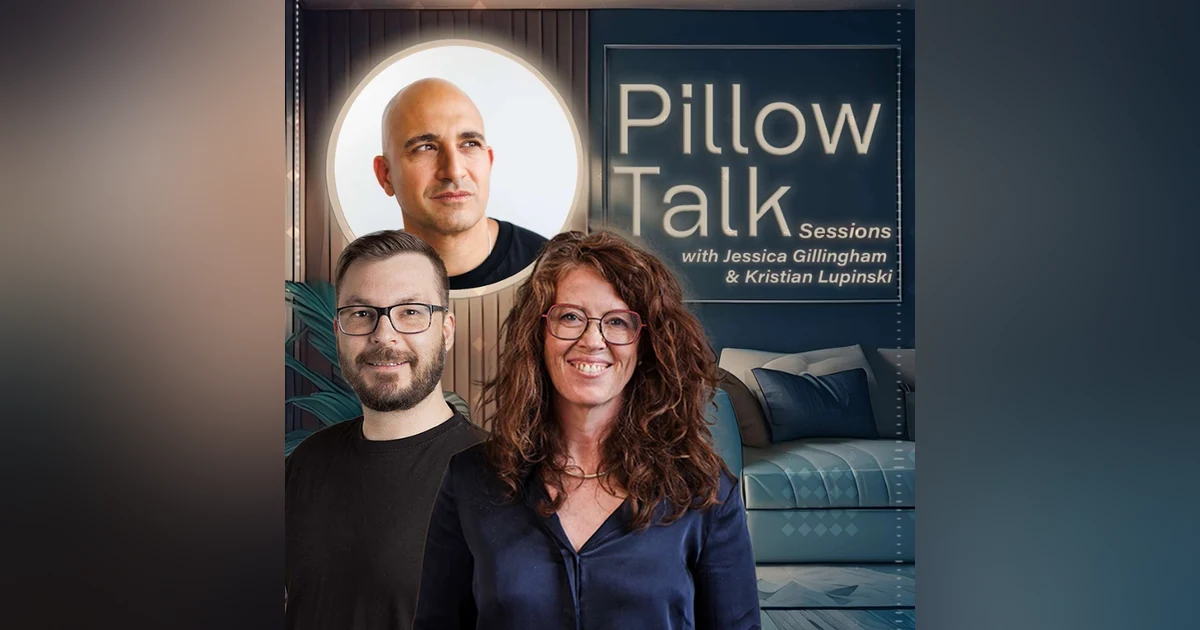
 In our latest episode, Jessica Gillingham and Krstian Lupinski sit down with Yianni Tsitouras, Founder & CEO of POHA House, to explore how POHA is redefining co-living with a focus on community, sustainability, and well-being. This conversation is filled with insights on the future of co-living and the ways it can foster connection and purpose in everyday spaces.
Tune in to hear about:
🔹 The Co-Living, Co-Working, and Co-Spaces Concept – Yianni shares how these spaces combine flexibility with community for a unique living experience.
🔹 Commitment to Sustainability – From cradle-to-cradle building design to zero-carbon goals, Yianni talks about the challenges and triumphs in eco-friendly development.
🔹 Building a Trusted Brand – Discover how POHA House builds trust and engagement, setting new standards in the co-living sector.
🔹 A Diverse Community for All Ages – Learn how POHA House creates inclusive spaces that meet residents’ unique needs at every life stage.
If you’re passionate about community-centric and sustainable living, don’t miss this episode! 🎧
Meet the host of Pillow Talk Sessions
Jessica Gillingham is the Founder and CEO of Abode Worldwide, a strategic public relations agency dedicated to elevating the profile of transformative technology solutions in global hospitality, lodging, and rental living. An established industry thought leader, Jessica is a frequent conference speaker and author of Tech-Enabled Hospitality, a new book exploring the innovations shaping the sector.
That's right, Jessica. Food houses redefining urban living by statistics, combining co-living, co-working, and community-driven spaces. The commitment to sustainability and creating a sense of belonging is evident in every detail. And we're excited to explore how these spaces are shaping modern residential experiences.
SPEAKER_02Yanni, really excited to have you on the Pillow Talk podcast. You and I met on a coach, and I know you don't remember actually reaching me, but I vividly remember meeting you on a coach in Lisbon, part of the recharge event, and you were telling me about Poha House. And I was, and it was just so interesting what you were saying about it and about the brand and about the kind of the concept of Co-Spaces. So I'm really, really pleased that we get to kind of delve in a little bit more today on the podcast. So thank you for being here and welcome.
SPEAKER_00Thank you. I I do remember you from the coach. Just uh just to clarify, it was just that I did talk a lot to a lot of people that day about Poa House and was probably overexcited.
SPEAKER_01Yeah, I I think before we we get started, just for our audience here, I mean, maybe before we uh get into today's topic, perhaps you can briefly walk us through your career journey. You know, what brought you into this field, maybe some key experiences along the way, and maybe a bit about Poya House.
SPEAKER_00Yeah, I so I kind of accidentally fell into uh real estate. Um I actually originally intended to be a lawyer. Uh I qualified at law school. I remember standing in the lobby with a check ready to pay for my qualification exams and turning round, by luck would have it, because I thought this isn't for me. That didn't feel very lucky at that time, explaining that to a very Greek mother. Uh she made me feel very unlucky, in fact. But um what happened was that I I thought to myself, you know, it wasn't that like kind of you have to follow your passion, but I knew that I had to do something that I thought had a purpose and impact. And I was actually ended up getting into real estate, going into surveying, leaving my job in surveying, uh, realizing I couldn't afford the apartment that I lived in with my girlfriend at the time, who is actually today one of my co-founders and my wife. Uh, and we divided that apartment into a shared apartment, and that's really where it all started because that captivated me. Because in that apartment, it wasn't just this economic solution. I had like friends that are still our friends today. It was a whole different kind of living experience, and we thought, what if we could make this better? What if we could make this even more? And that led us to try and build it out is powerhouse, and ultimately brought me back to Germany.
SPEAKER_02Absolutely, what a sort of beginning into it, sort of falling into real estate from law. Um, you know, I guess that would have been explaining that to your mum, but she's probably very pleased now with what you've done.
SPEAKER_00Yeah, yeah. You know, there's nothing better to a Greek mother than a doctor or a lawyer.
SPEAKER_02So so a real estate tycoon probably, you know, is isn't it's not too bad of a third place.
SPEAKER_00Yeah, yeah, not quite there yet, but yeah, it's not bad as a as a third a third place. Uh definitely, I think she's uh she she loves what we're doing, she loves what we're doing with the with with the brand. I actually wanted to start this off in the UK. We definitely tried to do that. At that time, the planning regime in the UK was completely different. Actually, no one had really heard of co-living. There was one kind of co-living building that had been built that had mixed reviews, let's just say, with the councils and the stakeholders in the UK, and that made it very hard to deliver. But when I came to Germany, which I thought would actually be more bureaucratic, it was easier to launch uh this co-living concept, it was easier to launch different types of apartments, and it was more flexible. And now we're actually looking back to get back into the UK. I think the market's really developed and grown there.
SPEAKER_02It really does seem to be growing here, you know, lots of conversations and operators that are kind of in that co-living bit. But I know that in terms of describing what it is, what the concept of co-living is, it still is very much in its infancy. So can you tell us, you know, tell us about what the co-spaces, co-working, co-living of Po House is? Like what actually is it?
SPEAKER_00Yeah, I think I think it is confusing at the moment. Even sometimes I get confused about what it is. And I think that's because co-living also has become a sort of buzzword. Uh, and everyone says, Oh, well, maybe we should do co-living now because that sounds cool. And uh, the elements of co-living are quite confusing. But for us at Poa House, what we tried to develop was something that we called co-spaces, and we thought, well, what is our real uh aim here? And our aim was to change the way people kind of experience a home. And we thought, well, how can we do that? Well, let's create a place where people can live and and they can work and they can like come together and let's put that all under one roof and let's try and say, Well, what if a home was an experience? What if it can make your life simpler? What if it can make your life better? And if we wrap that with sustainability and wellness, then I think we're onto something. And that's what we created here at Powerhouse. Um, our name stands for the pursuit of happiness, it's from a Kick Cuddy song. Um, and that's our belief that everyone should be allowed to pursue their happiness, and let's give them that ability.
SPEAKER_01You know, you mentioned brief briefly in there the sustainability uh elements in in your approach. Maybe you can uh expand a bit on that and what that means because you know you have environmental, you have social, you have a lot of different you know levels of sustainability. So I'd be curious to see you know what your perspective is on it and and how you guys incorporate that.
SPEAKER_00Yeah, so I think our approach, I mean, from the very beginning, sustainability was important to us, and I know that because I remember going through the notes just recently and looking at what we were talking about in 2018, uh, about what we wanted this company to be, and sustainability was at the forefront, and that was wrapped in with wellness, and we think sustainability and wellness that goes hand in hand, and then that's just become more important over the years, and we know like the next 30 years, this is going to change the future of this planet. Uh, and the beautiful thing about co-living is that uh at its very foundations it's sustainable, right? You're sharing costs, you're sharing your carbon footprint, you're stopping that fast furniture fashion. And uh our our approach was to make it viable and thread that through everything that we do. And because we operate buildings, because we work very closely with developers, and because we develop buildings ourselves, we're in this very unique position where we can thread sustainability through every part of that design, build, and operations of the building. And that means we can do some really innovative things. Uh, and that's in operations. So we've signed up with a partnership that every tenant that stays with us uh every month, we take a kilo of ocean-bound plastic away, and that's about like two side, two African elephants now that we've taken away every year because of our residents just staying with us, and that and that's key because it's making sustainability like simple for people to do, right? They don't have to do anything, and we're making it more sustainable for them, and then we're looking at the fit out of the buildings, and we we've incorporated cradle to cradle through a lot of elements within our buildings, and that cradle to cradle element is how do you make that viable? You know, how can you make actually this something achievable in most buildings that you do? And we've just proven that in a community space that we've just delivered, which was an old refurbished, disused swimming pool that we remade into our community space, and we've incorporated cradle to cradle in it's 95% reused materials in that building. We've actually in the construction techniques we've saved over 15,000 tons of uh CO2 emissions, and there's over 7,500 kilograms of reused um items. So we've got an old bag like the main bar is a bank from Frankfurt, we've got doors from offices in Dusseldorf, we've got all our stores or from schools that they've adjusted, we've got radiator seats outside, they grew mushroom lamps for us, especially for that space. And the best thing about it all is that we did it in a real economic budget uh way that we could actually make it affordable with some very hard negotiations with our fit-out companies, but we made it achievable in that building, and to be fair, most people would not have been able to do that. And why what I think sustainability for us is also about making it authentic, and in we had massive conversations about in our construction book now, we don't put vinyl floors down when we went to that building, not in the community space, but the old building already had vinyl floors put in, and we said, Well, do we take buildings like that? And I think we said, of course we do, because our impact is bigger, because we can make impacts in operation, we can make impacts with events, we educate the community about sustainable uh like living. Those events are the worst attended there as far but uh Friday drinks is always full, sustainability, fermentation no one wants to come to. But we're we're pushing it all the time, and we do TED talks on this, and that I think that's making it achievable. And then it took us to the next step where we we're actually working on uh the first um C to C that's cradle to cradle uh building.
SPEAKER_02Can we just explain, Yanni? What is cradle to cradle for the uninitiated?
SPEAKER_00Yeah, yeah. So that's me going on about because everyone keeps it. So normally you build cradle to grave to make it very simple. Uh, and that means that you you build a building and then you demolish it and you build another building. Uh, and cradle to cradle is actually building um uh is actually that cradle to cradle. Everything you build in that building can be dismantled and used into another building. And to give you a simple example, set so that the bank desk that I was talking about in this community space, that wasn't glued together, that was actually constructed in a way that can easily be dismantled and have a second life, have a second purpose. And the whole cradle to cradle it goes deeper than that. There's there's lots of things about uh water conservation, that we have a material passport of like toxic materials that go into the building, but fundamentally you're creating uh spaces that can be reused, yeah, and that's the future of the planet, right? Because we're we're taking things that we don't have to throw away, we can say this has a second life. And um Moringa is a developer we're working with. They've just um got in Hamburg the first cradle to cradle residential building in Europe, it's the first cradle-to-cradle co-living building in the world, and it's a building that really is of the future that is designing out waste. It's got 5,500 square meters of planted area, which is more than you can fit on the plot itself. It's improving the air quality for the residents, but also the people that will live there. It's a building that, you know, there's rainwater harvesting systems, and it's a building where you know you can really be proud to be a tenant of as powerhouse. And we can go in there and we'll we'll have a creative creative fit out, and hopefully uh it will be completed in 2026. But that is extremely hard to do, and I think that's why I go back to that viability point because it's better to have uh you can do this at all stages, you don't have to just build a moringa which is a beacon of sustainability, you can do this in a disused swimming pool, uh, and you can make steps to make uh this sustainable journey viable. And co-living is the best way and a great way to do that.
SPEAKER_02I've got a vision of people in a disused swimming pool. I don't know if you saw the film Twister or Twisters that was out earlier this year, where they all hide in the swimming pool when all the wind is going, and you know, people like in in the swimming pool down there hanging out, like we've got a floor on it or something.
SPEAKER_00Well, so we would have kept the swimming pool if it was up to us. So when we actually got into that project quite late, and the developer had already filled in the swimming pool, and we were like, Oh, what a waste! We could have had this great community space where people could go down, and so the swimming pool's gone, but what we did do is like a homage to it. So we've got loads of like the the acoustic sound panels or wave sound panels. You go into toilet, there's like life rings, there's loads of homage to this old swimming pool. It wasn't a famous swimming pool. There's pictures of those old swimming pools everywhere. It's uh I think we're actually going to win awards for that, and um I wouldn't take the credit for that. That's very much for our fit out company and uh and our designers that really, really put amazing effort into doing that. They did loads of urban mining, which means kind of like looking to places where they can reclaim like the these old uh doors and these blackboards and where they can store it, uh, store it. And it's very complex. So they did an amazing job there, but we get to benefit from that from that, and so do all our residents.
SPEAKER_02So actually, picking the right partners is so important, isn't it? That you've got the right cultural values as well as you trust that they will, you know, get the best for you and understand what it is you're trying to really provide for your residents. It's vital, isn't it?
SPEAKER_00Massively, massively. I mean, our partners are everything to us, and we look for long-term partnerships and we look for partnerships that we can rely on and we can trust. And I we love that because you know, our partners, like even our investors, they hold sometimes they hold us up to our own brand standards and our own values. They say you shouldn't do that because that actually that's a breach of your value, and that's great validation for our whole whole concept. But we look at that all the time. Who are we working with, what the supply chain is, what is their ethos, what are their values, and is there a fit? And we work with people that they are a fit with.
SPEAKER_01But when it comes to you know picking these partnerships, I mean, is it something that you guys go out and do, or do do these partners come to you and say, hey, we got these ideas, maybe we can incorporate it? I mean, where does that start and where does that lead to?
SPEAKER_00Yeah, I think it's it's a mix, I would say it's definitely a mix of both. Um, so so one of the things that I'm really proud of that we did, we we so our whole concept is how do you make people's life simple, or how do you make it better, how do we enhance a living process? And that and we look at it like the rental process at the moment, it's quite difficult. You have to put down big deposits. So we thought, God, people have to put like 2,000, 3,000, 4,000 euros or pounds down before they even get into a place, and a lot of people can't afford that. So we'd set up a partnership uh that we initiated. I think that I'm not sure if anyone else does it now, but I know they're trying to roll it out with other people providers that you don't have to put down that 2,000 deposit, you can actually just pay 10 euros a month and we'll cover that deposit for you, and that's it, like an insured bank. So there's that that's our own initiative that we kind of pushed out, and then we look for sustainable fit out partners that we push and go go go look for. But then we met a company like Conkala. Concala is a company that actually reclaims uh furniture from old buildings. So if you've got a building and you're kind of demolishing it, they will come and they will document log all the items in that building and they will resell that onto fit out companies, developers that you can have a second use for. So that's completely their initiative. Yeah, but we've they came to us and we thought that's a great idea, let's partner with you. So I think it's a collaboration of both.
SPEAKER_02It feels Yani, really clear to me that in anything that you're doing, in everything that you're doing, you've really got the resident experience at the heart of it. So it's it's it's that's part of the brand, is what I'm kind of hearing, is is that even though, of course, there's other things that are so important in terms of return on investment, etc., but actually, if the residents do feel like they're at the heart here, yeah, I feel I feel that's vital for what we're trying to achieve.
SPEAKER_00I think it's very easy just to rent rooms to people and give people access. Um, I always say to the team, look, we're not in the business of renting rooms to people, we're in the business of actually giving people experiences that enhance their life uh and make their lives better. And I'm not saying that we're curing some kind of disease because we're not, and I'm not saying we get everything perfect because we don't. But you know, if we can simplify people's lives and make them a little bit better, well then that is for me the definition of success. And uh I think we're trying to do that every single day with community, with uh the way that we fit out our spaces, the way we think about our spaces, and we're trying to improve every day to make that a reality.
SPEAKER_01I think we should talk uh just a bit about that. You know, you know, how do you guys incorporate the voices of your residents, you know, in the brand building process, whether it's their feedback or uh whatnot, how's that kind of shaped uh the direction that you guys have gone?
SPEAKER_00Yeah, so we we we have resident feedback a lot, we have team feedback a lot within our buildings. We we we try and get at the residents input. So, first of all, I think that we community is at the heart of what we do, and um, as well as we have community managers on site, and we think that's really, really important. A lot of brands don't, we do, um, and we do that so they can be there to create community, but they can also simplify if you move to a new country, it's it's like overwhelming, it's lonely, you're disconnected. The community managers can connect you not only to the residents but also to the cities you're in, and they solve simple problems. Someone said came to me the other day and said, God, thank God for your community manager. I would never know how to set up my German doctors and dentists, and they did it all for me. And it's just solving that little kind of aspects of that. But then we take the community teams and like they're in the events and everything we do. You can propose your own events tonight. We got a DD, like a Dungeons and Dragon event uh in the space. I know nothing about that. That, you know, but the the you're you're in there's a whole workshop on it tonight. Actually, it's fully booked out. I tried to book into it, it's fully booked out because and we we take what you know what this is your home, this is not our home. What do you want to see here? What do you want us to do better? And then we try and incorporate that into the space.
SPEAKER_02It might be saying something about the residence that the Dungeons and Dragons is booked out, like you know, but anyway. And then I'm also I actually want to ask a question. Is your wife are you and your wife? And I think you have a family as well. Are you living in Poha House yourselves now? Are you still in the kind of the co co-living thing?
SPEAKER_00Yeah, we we don't we don't live in the Poa House at the moment, so we actually only incorporated uh family flats uh this year into Poha House. And the reason we did that was because we launched our first building in Munster. That's around about 313 residents, and so our market in my mind was 20 to 40, you know, kind of young professional creatives, that's who that's who's gonna come and be attracted to that. And then when we when we opened the building, we were again, we got the majority are that that age, but then we got 20% of the residents, well over 40, and then we had like an eight-year-old apply, and then we were like, Well, have we got our branding wrong? What's going on here? Um, but what I've realized is that actually people are looking for real-life connections. So, what we did in Proitrod, our new building, we actually have family flats there, and what's great about that is we just had our opening party, it was a vacation party, it was a theme. So, like everyone's come back from the holiday, no, let's not be miserable, we're still on vacation. So, we had cocktails, all from local providers. We had a hot dog like Mr. Hot Dog, uh, and he was a local hot dog kind of uh vendor, and this uh this local entrepreneur who does ice creams, which is great because you got to hear their their stories about how they started in their family factories, and they bring that into the community. But what was great about it is part of the thing was we have a band and everything, but we had a pool pit with like all these balls in it as a replica swimming pool, and there were kids running around, like at the same time as there were people dancing, other people having cocktails. I thought, well, this is togetherness, right? This is community, this is everyone like this is the diversity that you think co-living should be. Uh, and that's great to see that that was there all in one party, like where everyone could just intermingle and be together.
SPEAKER_01No, that's uh that's that's really cool. And I mean, if you're going to move somewhere, this is kind of the feeling that you want is to be part of a community. Uh, I wanted to ask about your guys' digital presence. Uh, as you know, a lot of communities are built online through social medias. Do does does Polya House, do you guys utilize any of these tools? Um, whether it's social media to get information out, to share these different experiences. I mean, how do you guys view this?
SPEAKER_00Yeah, in terms of the like digital, absolutely. I mean, we we I mean, we're on all the social media platforms, we have a designated marketing team, we have people much cooler than me making our TikToks and Instagram ads and telling us, you know, putting the content out there. Uh, the content is actually not so much on the product, actually, it's it's it's on the people, it's on uh different experiences. We have uh influencers that we've we've we've talked to that come over, but align with our brand. So we have just had one that was a uh a vegan kind of uh he goes to all the vegan um hospitality spots and he came to us to just review us and review powerhouse because he thought that this really aligns with my brand. Um, and on top of that, with for our residents, we do have like obviously we have the resident app, they can see what goes on there, they can it's keyless entry, it's uh basically they can book a room, they can book anything they want, they can suggest events to go on that, and they can also post about what's going on in the building, so like this kind of it's sort of like self-fulfilling prophecy of what we're creating. It's not just us creating that content, it's the residents also creating that content.
SPEAKER_02And can the residents so you're in a few cities in Germany, and I know you've got some more in the pipeline next year, the year after. Can the residents move between properties? Because I think you also are doing some short stays now as well. Like, what's the kind of the um transience of the residents? And then also you might have guests come right. Rather than residents.
SPEAKER_00Yeah, so we've got a so we do long term, uh short term, so and long term is six months plus, just to be sure, so if one knows, and short term is day to day, week to week, month to month, and we do co-working, and we try to get all these communities to come and interact together. And the interesting thing about that is yes, they can move to any building they want. So if you're a power resident, you get a discount on any other service that we have. So if you're staying in our short-term stay, or your friends or family want to stay in our short-term stay, well, they get a discount with you, and that could be in the building that you're in, which is great because they get to experience that building, or it could just be a building close by, and in the co-working, it's the same. And if you want to go to another city, the same thing applies. The thing is that we don't have much space because we're we're almost 100% booked out, but you can go and use all the community spaces there, and that's open to you, right? So you can use a community space wherever you in any city that were open. Uh, in Aachen, what was very very interesting is that we actually our first building that we signed a lease on was quite small, it was only 47 units and plus co-working, which took it up to around about 70 residents. Um, and to make that viable, we had to link three buildings together. Uh, and one of them was short-term stay, uh, and one of them was long-term stay. And those three buildings, like one of them's 10 minutes away from the other, one of them's 15 minutes away from the other, but those communities all have access to the community spaces in each other building. So if you're part, they live and breathe together, the community app works together. If you're part of a building in say Arkansas, you can still go to the one that's out in the forest, you can still use that cradle-to-crater community space that we've just created. You can still be part of all the events and the parties, everyone's invited to those vacation events, you know. So you're it's one community coming together, and I think that's something that is quite unique.
SPEAKER_02That does sound very unique. So it's not just linked to the actual building in the property, it is the whole community within the city, and then as you grow and develop, it will go even broader than that.
SPEAKER_00Yeah, exactly. And every every building, uh so every city has different communities. Aachen actually have their community events all linked. Every building, Aachen, the community events are linked throughout the building, so you can go and attend any of those community events. In Munster, they have a different schedule, but you can still go and attend those uh community events. The community teams actually sit down together every quarter and plan the events that they're going to have for that quarter, and they they tell each other what's worked, what doesn't work, what's good, and they could have some great ideas. My one of my favourite was uh for Mother's Day, they had in, and this was actually in Aachen, they had um you cooked your mother's favourite recipe. Um, and but you didn't just cook it, you taught the other residents how to make your mother's favourite recipe. Uh and that's great because everyone was there just saying, Oh, this is my and you can send that to your mom and she's like, Oh, how proud, how great that is that people are enjoying my food. Um, so yeah, so stuff like that is great.
SPEAKER_02And or did you cook risaka or spanic capita, or what did you do? Greek salad?
SPEAKER_00Well, lemony, which is a Greek chicken soup with eggs, which sounds awful, but it's delicious.
SPEAKER_02Oh, it sounds it sounds perfect to me.
SPEAKER_01Yeah, make me a bit hungry. Uh I wonder the the the the brief, you know, uh food aside, now I'm a bit hungry, is um, you know, looking from your first building to the buildings that you're working on, you know, the communities that you have you you have built, you know, how has this brand evolution you know gone on? Do you see stuff from the first building where you're like, hmm, maybe in the the because I know you guys are launching in 2026 and then another one in 2027. Have you had like lessons learned and what have you learned and what are you incorporating into the new properties that you you thought about in the the the start there? Oh yeah.
SPEAKER_00Uh I think every day you learn something new. So we always have massive, massive lessons learned. Um, I'll tell you what's what's great, what what we're what was great and what we've kept and what we'll we'll keep keeping it throughout. So we offer a diverse range of rooms. So you can come from a flat share to a flat share ensuite, then you can move to a big studio uh or just a studio and then an apartment. And we keep that because actually it allows people to come in on a very low price point, it allows you to grow within that building. Uh, it allows if you meet someone in that building to go and have your own place, uh, and it keeps us with tenant retention, right? And I think that's a great aspect to have. We also have all female apartments, we're keeping that, it's actually really, really uh successful and um like it's really desirable from our residents. Um, what we learn was more on the stay side, um, and um that was that so we have we have this like we built the stay apartment and we built it initially very much like the long-term living. We wanted the stay apartment to be a home. We didn't want, you know, it was like a professional Airbnb. You move to a city, but you don't want to feel like you're in a hotel, you want to feel that this is your place. But what we learned there was simple, simple things like so. We we thought no one really who uses a TV today, uh, you know, everyone's on their iPads, you don't need a TV. Apparently, everyone wants a TV in a hotel room. Uh, and the residents are older than our demographic, so you definitely need to put a TV there. So we did that. It's more hospitality-led. You need to have like the coffee machines in the apartments for them, and we made these major changes and well, simple changes, and we've rolled that app throughout into all our new uh buildings, all our new products now, all have like you know, the beds are a little bit bigger, it's it's made for hospitality, it's made for that one night that you sleep there, but still connected to community and home, not for long-term living. And that was a massive learning for us on that stay product. But that's great because and and the other thing was actually the platforms and the technology to do live, work, and stay is very, very difficult. There's no actually platform on the market at the moment that does that. There's some that are very, very close to doing that, and I think they will be there in the next year, but we needed separate platforms to do that. Do that is a different user experience, this is a different user journey, but it is more complicated, and we say that to the team all the time. But because no one else is doing that, if we can do that, then we can be a market leader and we can make people's experience even better. So we've taken all those learnings and we've put them into the new buildings.
SPEAKER_02You've said a lot there, which is really interesting. That hospitality, you know, hospitality is not the same as a resident's experience, or the all those kind of drivers that that are needed to make it work, is you know, they're not the same, but it's more it can go, you know, the hospitality can go to the resident side, a little less so the other way around. But then without then I also want to pick up on what you said about technology and how there isn't yet, and we I don't want us to name names or name companies, but there isn't anything yet that's all that is providing you a solution to all those needs of the the the stay market, the living, and then the co-working. But I presume that there is technology that will do the stay and the living side, the long lets and the shortlets. There's quite a lot of providers out there that do that. It's the co-working bit that is the the difficult bit.
SPEAKER_00It's actually the opposite way, actually. It's there's there's a lot of people that do the stay and co-working part, uh, but there's no one that does the stay and live part and co-working. And that's the difficult. Now that there are companies that I'm not going to name names, but their companies are very close to doing that. But as you go, so we have two separate uh like management systems set up to to manage the stay uh and and the live and the co-working, which uh you can imagine that's that's slightly more complex, it's it's it's more at man hours for us, it's it's uh the whole that user journey is is more difficult uh for us to do on the back end, but because we centralize things, we're we're actually we're managing and we're doing it very, very well, and we know that in the future there will be someone that can do it all three because we know people are very close to doing that, but yeah, so it's actually the live part that's the problem.
SPEAKER_02And it is that um it's is growing increasingly, uh the demand for it is increasing. So the tech companies will be developing.
SPEAKER_00I think there's a lot of players that are realizing that there's that I and I think a lot of investors are realizing the benefits of having a diverse portfolio. So if you've got a building, especially a lot of these disused offices that can't be used, if you've got a building that can do co-working, then you can have some commercial short-term stay. The developers love the commercial bit in Germany because you can get the VAT back. In the UK, uh residential is zero-rated VAT, in Germany, it's not. Um, but so that but they can get the VAT back on that on that that element of it, and then you've got the residential part, which is more like of a stable annuity, so you don't have that fluctuation that you do in hospitality, it's it's it's kind of a nice income stream for them to have, they can really put a better yield on that or better multiplier on the residential element. Well, if you can have all that in one building, that's actually quite uh desirable, and you can spread your risk, especially if a pandemic or something comes up again, right? So you can you can have uh options, uh, and I think people are realizing that and they're thinking the benefit of it and how it can add to their business business model, including yourself. We always did it, we always did the live work stay. We all for some reason, naively probably, we always did the live let's have live, work, and stay. We didn't realize how complicated it was going to be. We thought, yeah, we have a bit of live, we'll have a bit of work, we'll have a better stay, and everyone could use it. And you know, like the rise of home office, right? You don't want to kind of like work on your kitchen table. Let's have a fully functioning co-working space, and let's have a space that we can actually carve off, and actually it'll be it can work by itself, and where we save money, and what's the great thing about the co-working is that our residence spaces are empty during the day, there's no one there, everyone's at work, but the co-workers can come and use them, and that kind of gives it a second purpose, it gives it that extra life. You actually you feel like, oh, this is not a waste of space, it's being it's being used, and I I I enjoy that part of it. Um, but yeah, we always did it naively. Uh, but I think the pandemic just highlighted that actually this is great for these reasons. Uh, we also always did the wellness, the the kind of uh well-being element of it. The pandemic said, well, that's really important, and we always did the community part, and if the pandemic taught us anything, it taught us the value of human connection. So it was uh we were on the right tracks.
SPEAKER_02Absolutely, and it's complicated operationally, like you just said, to do the the three parts. What about the fact that they're a different customer for those? Like, is there any tensions? Do you find that there's tensions between the residents and the stay guests, particularly?
SPEAKER_00Yeah, not not so much tensions because the stay guests um they they're just here for a short while, and majority actually of the guests in our house are actually long-term residents, and there's sort of enough community spaces and enough like spaces for people to to to walk around and see. And what you actually find is that the stay guests actually they're they're more into the city straight away. They want to explore, they don't want to sit in the house all day long, they want to go and explore the city that they've come to, and they're here for just a short while. So I don't think there's actually resident tension. I think that they just actually enhance each other's community. Um, and it's not like we have wild parties, people having wild parties and disturbing the people that are long-term live. It doesn't really happen that way.
SPEAKER_01You know, Yanni, there's there's a lot of different things that we've covered today, uh, and a lot of really interesting things that you guys are doing and going to be doing. Um, but I wanted to talk about probably the the most important part uh of any uh building is its residents. You know, how do you guys um you know attract di a diverse range of of ages uh of residents? And you know, how do you ensure that these spaces you know cater to the different needs in life stages, you know, while fostering real life connections uh in community building?
SPEAKER_00Yeah, so we so as I said, so we have these community managers on site um and they're there to foster communities and they're there to like a deal with any problems you have, but also make your resident experience better. Um now I I was I we talk to them a lot about what kind of events we have, and actually the events don't change because our residents are stay to us. They're some of them are students, but if there are students that they are in that kind of like secondary student phase of their life, they're either young professionals, they're creatives. We do have older residents that do stay with us, like 56, 60, and 80-year-olds that are uh, and that's actually spread across our buildings. I I looked at the stats uh recently, and in all our building, we have residents that are over uh 40 years old, it's normally around about 20%. Um, but the event side of it is that actually they like the same things, right? Just because you're getting a little bit older doesn't mean that you know you don't want to be involved in a TED talk, or you don't want to have some drinks on Friday, or you don't want to have you know uh a bit of fun or show everyone what your mum's made, you know, every everyone can relate to that. And I think on the event side, actually, nothing much really changes. I think what what does um kind of change in that residential experience is that the spaces that they they want they want it to be more comfortable, they want it to be more furnished, they want it to be kind of like this is you know, this is I I I want a bit of uh comfort in our life, uh, but we've already were doing that at the very beginning. We made the rooms more comfortable, we made the beds, you know, bigger, you know, so you you kind of like enjoy it, was always always designed for an older resident, and what we realized was that the younger residents actually appreciate that too. So, in terms of the spaces and changing what we're doing, we we don't, you know, we have our amenity spaces are exactly the same. We have yoga rooms, we have fitness rooms, we have a private dining, you can book out with your families and and and friends. Um, the only thing that we did change was that, and this is what I touched on before, is that we incorporated flats for whole families. We didn't do that at the very beginning because we didn't think there was actually a demand and a need for it, but we realized that actually people do want to be part of this like kind of uh space where you're connected to people, you can talk. Just because you have children doesn't mean you don't want to go to a TED talk or you don't want to actually escape from your children and go to the community space and your wife can't find you. Uh he's in the yoga room again. Christian, get out of that yoga room. But uh yeah, so I think that the spaces, everything that we did were the same. The the only and the only other difference I will say that the older residents, like so the apps, it's not well used by the eight-year-old. Um, and it has to be shown a lot of like you know, it's more handholding, like this is how you do initially, uh that being said, and then saying this is how you do it, this is how you log on, this is how you book event, there's more hand holding on the onboarding uh side of it. But apart from that, the spaces didn't change that much.
SPEAKER_01That's uh that's super interesting. And I I think uh it may be just as a generational shift, maybe was the pandemic. Um, but how do you see you know the evolution of this going towards the future? As you mentioned, you know, you opened it up to uh families. Um do you see, you know, what kind of trends are you seeing happening? And do you see this, you know, how is it going to evolve uh through these different generational shifts?
SPEAKER_00Yeah, I think I think the product will evolve to a like I I would love to see, and we don't we don't do this. Uh I would love to see a co-living building or co-spaces building that had, you know, like the the the the core, which is the 20 to 40 year olds, those single people, because it's very very much a singles product still, uh, but also couples, family, but also people that have retired, you know. Uh like my mum's I won't say her eight, no, I will say her in her 70s, let's say, in case she's listening to this. Uh, and she still goes to the gym every day. Like she gets up at four in the morning, she's still running her own business, and she she would still love to be part of uh a community and be active within that community. And I think there's lots of people like her that would actually benefit from living in a co-living space. Now we don't cater to that at the moment, but I think that will be a lovely add-on for any co-spaces company, and I think it would be very profitable as well. Um, but the real changes in in this sector, actually, I think will be towards you know, uh it's great that people are renting properties and it's great to make this experience acceptable, and it's better great to make this more affordable for people to actually do on a basis when you think that in Germany you have to buy your own kitchen when you come to rent an apartment, you know, and when you add all that on, if you're only staying there for two years, well you're spending a lot more money than actually going into a co-living building. But what would be great if there was a way that co-living could actually be an investment for the people and the residents that stay there?
SPEAKER_02Absolutely. Yani, thank you so much. It's been such a pleasure to talk to you again. And I just love what you're doing, it's really exciting. And I bet there's sort of the energy that you bring to conversations is if that energy that you bring to your residents and the community, you know, they're they're lucky people to live there, if you ask me. So thank you very much.
SPEAKER_00No, thank you so much, and thank you for your time. And and you're always welcome to come and see and experience the poor house for itself and see that swimming pool. So uh, and that's over to anyone that's listening to this podcast. Just drop us a line and come and have a look.
SPEAKER_01And that wraps it up for us today. So, thank you guys so much for joining us on this episode of Total Talk Sessions. We're especially grateful to Young Storage for sharing his insights into the transformative world of co-living, co-working, and community-focused spaces. It's inspiring to learn how Poya Houses integrate sustainability, well-being, and its cradle-to-cradle philosophy to create spaces that foster real connections and meaningful living experiences. To stay connected and catch every new episode, do us a favor and head over to PhilipTalkSessions.com to subscribe. And be sure to follow us on LinkedIn for more insights and interviews with leaders who are shaping the future of hospitality, multifamily living, and community-driven spaces. Thanks again for tuning in, and we'll see you next time on Philip TalkSections.


