Navigating Reform in Build-to-Rent with Rachel Hanniquet-Brooking (APO Group)


 RSS Feed
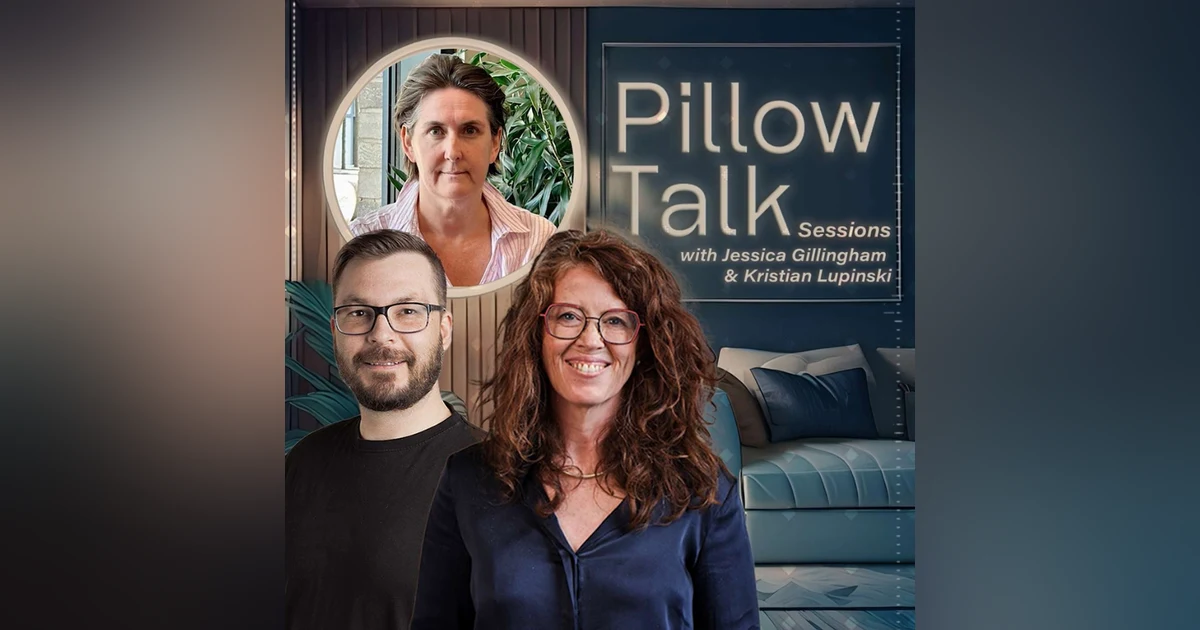
This week on Pillow Talk Sessions, Jessica Gillingham and Kristian Lupinski are joined by Rachel Hanniquet-Brooking, Managing Director of APO Group LTD, to explore the state of the UK rental market—and how Build-to-Rent operators can prepare for seismic change.
💡 Tune in to hear Rachel’s perspective on:
🧾 The impact of the Renters Reform Bill on no-fault evictions and lease terms
📉 Why tighter regulation could drive traditional landlords out—and open new doors for BTR
🏘️ The fine balance between automation, cost efficiency, and real service
📲 Why resident-focused tech needs to be built in early—not just added later
Rachel draws on 25+ years in hospitality and property to provide grounded, actionable insight into a sector at a turning point.
Meet the host of Pillow Talk Sessions
Jessica Gillingham is the Founder and CEO of Abode Worldwide, a strategic public relations agency dedicated to elevating the profile of transformative technology solutions in global hospitality, lodging, and rental living. An established industry thought leader, Jessica is a frequent conference speaker and author of Tech-Enabled Hospitality, a new book exploring the innovations shaping the sector.
Welcome back to Bell Talk Sessions. I'm Christian Lipinski, joined as always by my co-host Jessica Gillian.
SPEAKER_02Thank you, Christian. And today we're joined by Rachel Haneka Bruke, the managing director at ACHO Group. We're going to be chatting to Rachel about the evolving landscape of build-to-rent and how operators are navigating regulatory changes, service expectations, and that all-important tenant landlord relationship.
SPEAKER_00We'll also dive into the impact of the UK's Renters Reform Bill, the balance between compliance and hospitality-driven service, and how technology is shaping the future rental operations. Plus, we'll explore what's next for tenant rights and how operators can stay ahead in a rapidly changing market.
SPEAKER_02Rachel, thank you so much for joining us on Pillow Talk Sessions. It's really good to have you. And if you'd like to begin by giving us a little bit of an introduction, not just to you and your background, but also to Apo Group. And one of the things I I sort of spotted online is Apo is a part of.
SPEAKER_01It is, it stands for a part of. And every time I'm I'm at a meeting and I say, Did you know that Apo stands for it? Everyone's like, Oh, okay. And I think it's really nice because it means very much kind of uh it supports what we're trying to do in the build-to-rent industry, and that is to become a part of something that is different to that traditional landlord tenant relationship, um, which is exciting. So I um yeah, I'm Rachel Haneke Brooking, and I'm the um managing director of of Apo Group. We're a third-party managing agent, which means that we work on behalf of clients exclusively. Um, you know, Rachel is is um you know someone who has had a an amazing you know life, if I say so, myself. My father was a ship's captain, so a nautical childhood uh was mine. And uh at the age of seven, uh I was whisked out of Hampshire, and uh I was brought up in uh Singapore, America, Australia. Um, and that really did kind of I think form my foundations for the result of me actually starting my career in the hotels and hospitality industry. When we first moved to Singapore, I lived in a hotel for six months and I was running around behind the reception desk in the kitchens, I was a bell boy in the lift, you know, I became a part of my life, um, and so I I went to work in hotels, which was fantastic. Um, and I I worked in you know five-star resorts, I've worked in business hotels, so I've also kind of seen the different style of service that that goes in in the hospitality industry. I came back to the UK uh to try and find myself to find what home is and I lasted a couple of years, and then I said no, I'm off again. And I went into the tourism industry and I lived and worked in places such as Turkey, Tunisia, Greece, Spain, and then I was in their long haul, so Dominican Republic, Thailand, you know, all around the world. Um, and in 2003 I fell into the property industry uh by ad by uh responding to an advert in the Hotel and Caterer magazine for a job to come and help set up an in-house asset management management for commercial property, which then evolved into uh residential property. And that was just you know a brilliant way for me to learn about the industry, and they really valued the fact that I had that service skill, that hospitality, customer-centric approach. Um, and and from there, um, you know, that was eight, nine years I was working um on in a landed estate in central London. I then moved to traditional letting style with with Hamptons um for six six or so years, high street agency, and then I moved into build to rent. So property I've been in now for 25 years, um, and um getting getting old and uh still loving it. Still more grey hair, but still loving it.
SPEAKER_02Well, that's always the the good thing, and what a background, my goodness, I lost count of how many countries you mentioned there. But you're like a perfect guest for us on Pillow Talk because of that sort of hospitality hotel background and that customer-centric focus, bringing that to build to build to rent, you know, is really what we're we're we're kind of exploring a lot of different conversations around that sort of customer-centric way of looking at property, I guess. Um, so really interesting to hear your background. But I know, and Christine's gonna come in with the first question, but I know we're gonna, you know, focus like on on other sides rather than over focus um on the on the customer experience side.
SPEAKER_00And yeah, Rachel, what what a background, as Jessica said. And, you know, I I think just uh, you know, to start us off on our conversation today, I'm gonna do a callback to your your father's naval career, uh, and we're gonna start with navigating uh the UK's rental reform bill to start with, and we're gonna get into more more topics to this conversation. But um, you know, during our discovery call, we we briefly discussed it uh how the UK renters bill is, you know, set to bring these significant changes, you know, from tenancy agreements to eviction processes. Um, you know, to start with, you know, how should build-to-rent operators prepare for these shifts and you know what impact do you foresee on service models and investor confidence?
SPEAKER_01Yeah, I mean, it it's never a a dull day in the in the I'll say the English property industry because you know, Scotland, Wales, England all operate, you know, very differently. Um, there isn't an alignment with what's happened, and England is is the last one to the party. Um, and you know, you always have to acknowledge that these bills are very political led, and you know, as a result of the election and manifesto promises, sometimes the property industry does suffer. And I, you know, I will go on my soapbox and say that. Um, this is very close to my heart, um, you know, what we're going to talk about today, because I've spent 13 years uh working and advising with Property Mark, which is the UK's largest membership body for letting agents. I also work with the Association of Residential Lettings, um, you know, the ARL and the British Property Federation. Um, and I live, sleep and eat this. Um, the rental reform bill is going to have a big impact. It's the biggest thing to come. You know, we've we've sucked up the you know several right to rents, EPCs, you know, all these different things, but but this is going to be the biggest because what it is is going to affect is such items as losing the Section 21 notice, which is known as a no-fault eviction. Um, you know, we're not going to be able to take money up front. Um, you know, they're looking at re-gearing how the courts handle a section 8 notice by by giving faster rights to get uh property back with antisocial behaviour. However, they're looking at giving longer time to be able to collect rent arrears. Um, they're going to be setting up an independent ombudsman to invite people to directly complain or or or or stuff about uh a property that they're living in. Um I will say that I think that the renters' reform bill, used to be the renters' rights bill, it's now the reform bill, is very much geared to the individual private landlord, which happens a lot in government legislation. They don't kind of see the bigger picture, and bill to rent is going to have it's going to have more of an impact. You know, you're we are normally or all 100% of the time a single landlord and a single managing agent, and we have either you know 50 to 6, 7, 800 properties under one roof, um, we're not that that irresponsible single landlord. And so a lot of this is going to tie up. And I think that where the problems are going to be for us is you know the student market, um, you know, reducing tenancies to two-month rolling. So as operators or as owner operators, you know, we need to at the moment be looking at our processes, mapping out every single process we have in regards to leasing, in regards to we call it MIMO, move in, move out process, um, you know, notice serving. We need to map all those out and look how this bill might affect those processes, and we're gonna have to be very reactive if we if we need to amend them. Um, we also need to tighten up all our systems um to make sure that we're storing this information because with the new changes to the section eight, we're gonna have to provide a lot more um evidence of of trying to deal with problems, and the same with the ombudsman. Um, so I think that for for us, um, you know, it's it's gonna have a big impact on how we operate, it's gonna put even more pressure on us. Uh, for an investor, then they're not gonna have fixed terms, 12-month terms potentially, they'll just have two monthly guaranteed income. You know, students can come and go when and if they want to. Um, and you know, I think it will have have a big impact on lease up periods um and and you know how we reference our our our residents before they they move in to make sure that they're gonna pay their bills.
SPEAKER_02And is it, I mean, it sounds so like the UK just becomes a very unattractive place to invest to be an investor in terms of having that kind of property. Like, how how will it impact that? Do you think? Do you think that investors will be like, okay, this is a pain in the neck, pain in the ass, whatever, but we're still it's still a good way for us to make money, or will it impact?
SPEAKER_01It's it's interesting because the buy-to-let market really kind of established itself in the 70s, and you're seeing at the moment now a lot of that stock coming back to the market mainly because the original buy-to-let investor is now retiring or or they're exiting that that kind of market. Um, but it's very un, you know, if you look now to going buy-to-let, mortgage rates are at the at the highest that they've been for a very long time. Um, you know, maintenance costs are incredibly expensive. I mean, I'm I live in in London and just a handyman cost now is is quadrupled since I first started in the industry. Um, and then yeah, you know, you've got all this compliance, and and if you don't do it right, you can be fined. You know, the tenants can stop paying rent, or they can basically effectively squat and not pay rent, you know, and so yeah, it's really unattractive. Um, and that's where BillTorrent have the opportunity, if it's done right, to plug that gap because we do need to. And you know, even in the press over the the last um, you know, last week now, you know, Keir Starmer wants landlords to rent out their houses to asylum seekers, and so that's gonna be even more property that's coming off the market. Because if I was a landlord, I'd be going, well, that's fantastic, isn't it? You know, someone's gonna pay my rent guaranteed, do my maintenance. That's brilliant. So I think we have to be really, really careful um, you know, about how landlords are supported. But build to rent, I think, is is got a real opportunity to plug those gaps.
SPEAKER_00And you mentioned that, and I kind of want to discuss a little bit further on it, you know, the idea of compliance, because you know, as we stated at the beginning of the podcast, you know, we really like like to look at how that hospitality service and build to rent, you know, are kind of converging, you know, and as these build-to-rent operators aim to deliver this, you know, high-quality hospitality-driven experiences, uh, as you mentioned, they're also, you know, facing this increased compliance demands. So, how can these you know providers or owner operators strike the right balance between maintaining this kind of service excellence, but also ensuring this you know full legal and regulatory compliance?
SPEAKER_01Yeah, I mean, in BuildTorrent at the moment, we've got owner operators, uh, we've got developers with their own in-house operating platform, um, and then you've got third-party managing agents. And I think each one of those, you know, will have or will be impacted differently. Um, you know, a lot of people when I first set out were saying, Oh, we're going to have our own in-house operator because you know we can give deliver better customer service, blah, blah, blah. And I and I was on that bandwagon, and it's really interesting for me because I've now come out of the owner operator circle and I'm now in management managing agent circle. Um, and actually I can see cost effectively because it's incredibly expensive to set up your own in-house operational platform, you're better off actually outsourcing to a managing agent, but it's making sure you get the best managing agent that really does do the service. I think you know, with us in the operating sector, we have a PMA, which is a property management agreement, which gives us a lot more delegated authority to make decisions than if I was a high street agent. Um, but on the same kind of bit is a lot of those property and management agreements require a lot of the compliance stuff to be outsourced to managing agents, and it's getting more expensive, you know, with the Building Safety Act, with so many different requirements, you know, to train staff to buy in systems. You know, I'm I'm constantly having, you know, meeting potential new clients and stuff, and they're like, Oh, can you do this for us? Can you do for this? Um but there's a cost associated to it. Um, and you know, we also want to be able to give that service because that's just behind the scenes, you know, and the staffing and the staffing will be paid for by the client. You know, the management agent fee pays for us in the head office, but the client essentially will pay for the staff. So there's a lot of juggling because things are getting more and more expensive. Um, and we've got to be careful that that in England or the UK, we don't join people with a race to the bottom on fees. We've seen it in the States, I've seen it in the conventional property market, the high street agent, um, you know, the guy's doing it for 1%, when you know everyone else is doing it for six, seven percent. So I think that you know, as always, you can't discuss fees with everyone. I think we've got to be very aware that um, you know, we we'll break our industry if we don't pay for you know the services that that that will enable to deliver the compliance and and everything that goes around with it.
SPEAKER_02So if we wheel back a little bit, Rachel, to your experience. So so originally you come from hotel and hospitality, having worked in resorts and and hotels and things. What what was it that really attracted you to build to rent? And and what where do you see the kind of the similarities but then also conflicts that that you might you might also you know be really aware of?
SPEAKER_01I I remember the day that I decided I wanted to go to build to rent, and it was actually you know sat in the conventional high street branch agency world, and having to ring up a landlord, you know, and speaking to them, and there was mould in their property, and they just really didn't care. Um, and I morally and ethically couldn't align myself to working for people that didn't care about their property and wanting it to be in the best condition and the best state. And I I remember that was it, that was the day I went, No, I want to go and work in an industry where I am the landlord, and that's when I moved over to the owner-operator spear of build to rent because I could make an impact and I could make sure my buildings were perfect conditioned, that my staff were trained to the highest level, and that tenants weren't ripped off. And you know, again, I do understand rental reform and and some of this legislation that's come in because there are rogue landlords out there, but build to rent low landlords aren't rogue landlords, they're some of the best in the country because most of our buildings have just been bought. So that's when I knew I wanted to come over to build to rent, and even now, as a managing agent, as I mentioned before, we have a lot more delegated authority, and a lot of the time, especially how we you know promote our brand, it's as if we are the landlord, and our clients don't mind that. You know, of course, some clients they want to be known as the landlord, but you know, it's a it's very much that in regards to conflict. Um, you know, again, coming out to the managing agent, you know, I can't ultimately make some of the bigger decisions, they go back to the client. However, you know, the the the beauty of my position and being able to work and support a brilliant team underneath me is that I make sure the clients that we work with understand what APO is about and how we want to deliver that service standards to the to the market.
SPEAKER_02And is it because it really it's it's putting the resident or the tenant at the centre of of the relationship, but in in a deeper way than just the rental, what the way rental reform kind of puts all the cards in the in the tenant's kind of hands. It's a different way of looking at it, isn't it? It's about making sure that experience is there, the the quality is there. Is there a conflict between putting that at the putting the the residence and the tenants' experience at the centre of the relationship of the of the property, I guess, and then compliance as well. You know, it's it is you've got to have those two hats on, don't you? You've got to have that what you know, the compliance, this is the way it should be done, the rules, the regs, all of that. But then there is also we want this to be as best, you know, the best possible service that we can possibly provide, which feels like it's coming across really strongly from what you're saying, is you know, that real service of what you're providing is so important.
SPEAKER_01Yeah, absolutely. I mean, again, one of our challenges is that you know, we know that it will take six staff to run a building, but the client will say, No, you can only have four. Um, we've got to be inventive, um, we've got to be efficient, um, and that's where tech, and we'll probably talk about that later, will you know, come in to how we operate, but rents are at the highest they've ever been. Sometimes people don't want to scan a QR code, they don't want to do stuff like that, they want to be interacting with people, and you know, if you've got 10 people moving in on one day, you've got a staff member who has to go and do 10 check-ins, um, you know, 10 introduction meetings, they've got to register deposits, you know, they've got to make sure everything's been served on them, they've got to do all these different bits and pieces. It gets really difficult if you're not resourced properly. Um, and that's why, again, you know, in APO in particular, we've looked at um how we can centralize certain functions, we can outsource overseas certain functions so that we can be cost efficient, we can match any kind of operating model that our client wants to do. Um, but yeah, you know, it it is a very expensive uh thing running a property to get it right. And as I said, the more and more legislation and compliance items that are bought in by the government, the more we are having to do. And yeah, I think that is something that asset managers, fund managers, investment managers really need to be very aware that they can't take too many stuff out, otherwise, you know, you you you aren't going to be able to deliver that service standard. Um, you know, if I give you a couple of examples, you know, 24-hour reception desks have now been replaced with monitored security, CCTV, they've been replaced by 24-hour phone call service lines, um, you know, apps uh that have um you know integrated conversations with with people out of hours. Um so there's there's been quite a lot of cost efficiency that way. Um, but an app or or AI or tech can't go and tighten up someone's screw in their flat or their radiator. Um and you know, with this ombudsman potentially coming as well, even the smallest thing potentially could be reported out. Um so we need to make sure that we've got enough people to to fix stuff.
SPEAKER_00And I want to do, you know, you mentioned a bit of it um in the previous answers, but maybe we can talk a bit more about it with you know these rising cost, uh investor pressure and the new regulatory uh requirements. You know, how can build-to-rent operators remain financially stable, which is hard to say, uh, while meeting legal obligations, but also, you know, not racing to the bottom, but keeping rental offerings competitive.
SPEAKER_01Yeah, I think as I said, I've I've covered a little bit of of this already, and it's about making sure that you do have a tech stack that is, you know, reactive. We we've just spent an incredible amount of money um, you know, on a on a tech stack, and you know, we've deliberately not designed our own because we believe there's a lot going on in the sector still. There's a lot of really innovative entrepreneurs out there, and anyone wants to talk to me about any input, come and come and talk to me because I'm waiting for that dream package to be created for the build-to-rent world. Um, there's closed protocol packages, but you know, open APIs, being able to link with different systems, different safety systems, and stuff like that is really, really important at the moment. But it's got to be affordable. Um, it's got to be affordable for for us to use and to deliver, you know, right move, Zupla, all these different portals, they're constantly adding costs. You know, the building safety bill has added costs. And again, you know, I'll talk about investors and and and and asset managers. Is that you know there are going to be more costs for their buildings to be run because the Building Safety Act is new and it's not within our scope of works, and you know that there is a customer engagement that now needs to happen and a lot of work around that. So it can be affordable, it will be affordable, but I think we need to all work together uh to ensure that um everything's in place. And I know that that our business at Apo has been completely in the last six months redesigned and and reconfigured to be able to operate more efficiently in the sector.
SPEAKER_02So so often, you know, you really touched on something when you did your your answer before about how you know the investors are saying, oh, you could maybe have less staff, half the staff, but that's not actually viable or or or feasible right now. And we hear a lot, and we, you know, I personally work with a lot of tech companies, and it is, you know, the efficiency, it's the fact you don't need as many people because you've got the the tech there. And that might be true for certain functions, and it might be true for certain types of tech, but actually it's not just an across the board or not yet an across the board, and certainly not if you're providing a service as well, you know, and not just a building with rooms in it, a building with units in it that you are doing the compliance right, the service right, and those other bits. And I got, I think there's sort of two things that um I'd like to ask you. Firstly, what kinds of tech are you finding most helpful, uh most better able to help you be more efficient in your operations? But then also from your experience in hotel and hospitality, is is there any kind of technology from more of the resident experience side that you think that hotel and hospitality has got right that build to Rent is kind of leaning into? Those are sort of two quite different questions, but they're they're ones that really interest me because you know I do a lot around the tech side.
SPEAKER_01Yeah, and I think it's opened up for me to comment on first of all at the development phase. So, you know, as a managing agent, and as I said, with with our experience with our team, you know, our team have have they like to input from the minute the developer buys the land or or or the land becomes available because actually it putting tech in at the build stage makes managing a building more efficient. Um, so you know, door entry systems, uh leak prevention, um you know, uh utility solutions, um, CCTV monitoring, you know, all that type of stuff, if it can be put in at build stage, it makes a huge difference, but it's very expensive to build at the moment. Yeah, you know, and the planning system is is is is a in a mess because of the Building Safety Act and the backlog. And although again the government have said they want to open this up, you know, our pipeline in BuildTorrent has really slowed down as a result of it. So I I know people will value engineer a lot of this stuff out that really should be in, because you know, I've worked with someone not in my current role, but I've had to go say to them, give us another half a million pounds because we need to go and retrospectively you know fiddle this kit in. So I think that that is um you know a really key part of it. Um in regards to the general tech that we have, it will be obviously your CRM system uh and your resident app, you know, the resident app. We we have a resident app Apo pocket, we're always in your pocket, um, is what I like to say. Um, and and tenants can do it. But if I will just share, so I have just I'm home a week, I've been in Southeast Asia. I went back to to where I I loved growing up the most for a very big milestone birthday, which I will let the audience guess which one it was because they can't see me. Um, and I actually took time out of my holiday because I am that type of person, and I spoke to some of the department managers in the hotels. We went to three different hotels, and what I wanted to do was talk to them about tech and how they were finding at the moment the hotels or the restaurants or the bars that they were working or managing were were implementing changes in technology because I wanted to be able to bring this information back and see if I can put it into the residential sector, because that is all I have done for 20 years is take ideas from other sectors and try to put it into the property sector. And really interesting, I had first hand um experience of where tech isn't quite right because I paid a lot of money, an extremely huge amount of money to really spoil myself on this holiday. And there was one point where I went up to the bar, I wanted to order a Singapore sling, and I was told to go away and use the QR code on my table because they were busy processing bills, and that's a five-star hotel. And well, you know, you can imagine me. I was I don't want to use a QR code, I want to order it. Because by the time I'd got back to my table, another chap had walked up and been served by the other guy who wasn't busy. So again, angry Rachel went back up to that bar. I've got a free beer out of it and a Singapore sling, but that's technology failing that service standard. And then my my son, he's very uh particular, um, he's neurodiverse about his food. You know, he's a beige food eater and everything has to be separated. Well, imagining trying to order off a room service menu when you've got a son who has to have everything divided and stuff like that. So I went onto the app, I couldn't find the children's menu, I couldn't find this, I was getting frustrated, and then I found the um the burger that we were going to order, and I wanted to make sure that they'd taken everything out. There wasn't that facility, so I'd spent 10-15 minutes trying to find things on this app, and then in the end, ooh, you know, then I was on the phone, and it was the I could see the failings, and the best one was when we were in Sentosa, and I went downstairs into the breakfast, and they had robots. And obviously, what they had done is they had put these robots into the restaurant. There's about four, I think I counted, and basically they staff bring them to the table, and then the staff load the plates off the table at the breakfast, because breakfast is always so busy, isn't it? Um, and then they close the door and press the button, and then the robot off he went through the restaurant into the kitchen and obviously to the dishwasher. So, what their train of thought would have been is right, we'll keep the staff out there at the tables being more reactive, whilst the robots bus all the plates into the dishwashing. However, I saw two people get run over by a robot. I saw one robot with this big sad face on a red screen stuck right next to the fruit buffet, like obviously broken down. And then I saw the fact that you know, a table of six, they couldn't fit all the plates in the robot. So the bloke had to send the robot, go and get another robot. And I was interesting, you know, it's I it we're not quite there yet. Um, and I think we will get there. But I came away from my holiday, and as I said, I've probably spent the most money I ever have done on a holiday, five-star hotels. I was completely frustrated, um, and I just you know felt that it was a faff, and I felt I didn't get value for money. So, what I'm trying to say here is that in BuildTorrent, we need to make sure that our apps are giving our residents everything, everything that they could possibly need. So we're engaging, we're talking to our residents, and everyone is different, everyone wants different things, but also I don't think we can palm people off with go and use a QR code. There is that element now. Is it generational? Will the newer generations think no, actually, we're okay with not dealing with people? Well, I'm definitely someone who needs that people element, so I'm really excited, and I'm I'm gonna write a piece about my experience and talking to these managers because there has been an impact. You know, my checkout was seamless, it was brilliant. Um, I I could do it on the app, I could review, I could question anything, and as I went downstairs, I dropped my key into the box which had a reader in it, which then told the hotel that I'd checked out so they could send housekeeping up. Can we do that in the property industry in the UK? Because we have to do a formal checkout, otherwise the ombudsman might get us. You know, there's some challenges as how can we make this seamless? Because I I I enjoyed the checkouts. Yeah, not the check-ins, but the checkouts.
SPEAKER_02Yeah, no, it's so interesting because it's like it is like don't do tech just for tech's sake. It is, and it's also iterate as well, you know. It's like, yeah, you can trial QR codes only for menus, but if you're not getting the feedback and it's not working with the customers, you've got to get rid of that and think of another solution. Um so and I actually had a similar thing in a hotel in Amsterdam where you could only order room service with a QR code and very limited, and actually couldn't even dial nine, you know, to get um reception and room service. Like it was so so you know, I ended up going down to the restaurant to eat because just couldn't do that. Um I've got two things. I'm curious what your son thought of the robots being a child, like you know, it's like your dream, isn't it, when you're a child to get served by a robot.
SPEAKER_01But didn't didn't care. Okay, didn't didn't care a thing, was more interested in the peacock and the monitor lizard that kept on walking around the breakfast room.
SPEAKER_02I'm very pleased to hear that because it makes me feel like we've got faith in humanity going forwards, then you know, so that's good. But where are you gonna write about this? So you said you're gonna publish something about this. I'd love to.
SPEAKER_01Yeah, I'm I I I I made uh my my brother actually, my younger brother, said to me, So on this milestone birthday, what what what are you gonna do? What are you gonna do? And I said two things is I want to get back to my cooking because it's my passion, and I trained for a long time in my spare time cooking, but also I want to share some of my experiences because I'm incredibly passionate, and this is why I volunteer so much of my time for compliance and legislation about making people better and making people think things, and also I have had quite a unique upbringing. I have been exposed to so many different people in different countries, and I do believe I'm fairly unique, and so if I can do that, so I'm gonna start doing some things on LinkedIn, they might be awful. Um, I don't profess to being the world's best, and I do not want to use Chat GPT. I am, I think it's a brilliant tool, but I want to be me. Um I want to be real, so yeah, when I get the time between running a brilliant business and a brilliant team and being at UK Reef, and I'm off today, actually this afternoon, to Warwick for a property mart meeting, I will put this whole Singapore experience down because I think there's a lot for us to learn on it.
SPEAKER_00Yeah, absolutely. Something I'd like to uh read into deeper as well because again, you know, getting tech for tech's sake just never works out. Um I think we should move on to our final subject today, uh, which is the future of tenant rights and operator responsibilities. Um, you know, with the new regulations covering issues like pet-friendly policies, rent reviews, eviction protections, you know, how do you see this relationship between landlords and tenants evolving in the UK's rental sector? And, you know, what best practices should operators adopt to stay ahead of these changes that are coming up?
SPEAKER_01Yeah. I mean, we can summarize here our conversation about, you know, hotels and service standards is that residents are paying rent and they're paying top rents and they want the best standard. You know, we can go and book a an IBIS and know it's gonna be really basic and rubbish, you know, but tenants feel that they're paying for the full seasons every single day of the year. So, you know, there's a huge expectation that their properties are going to be in the best condition, um, that if there's a problem, it's gonna be fixed. Um, and you know, sometimes it's not a two-way street because they're the first ones not to pay their rent if they want to go and buy some extra big Christmas presents or book a business class flight or stuff like that. I think build-to-rent will handle pet-friendly issues, not a problem. You know, most of build-to-rent buildings are used to pets. I think private landlords will be more affected around that. Um, as we discussed earlier, I think individual private landlords will see more exiting the market if this is not amended. And I will caveat that this rental rights bill is still with the House of Lords. There's still time for people to write to their peers. Um, you know, I did uh some some work for property marks to be sent to the the House of Lords about build-to-rent and how you know we need to be thought about differently. Um I think you know the implications is it's just gonna also slow our build-to-rent pipeline, you know, even more. Um, and will it look attractive to investors when tenants can move out every two months? I think leasing strategies are gonna be, you know, if you're gonna give someone two weeks rent-free or one month's rent-free, how are you gonna do that if they can move out after two months? Um, you know, how if they want to pay, they've just moved from Australia and they want to pay their rent up front for six months because they they they need that to pass referencing, and we turn around and say, no, no, we can't take you, sorry. You know, I think that there is going to be big impacts like that. And I think in England we still have that mentality that we only rent temporarily, our end goal is to own a property. You know, we we all have this aspirations that we want to own. Whereas in Europe, and you know, my other half is French, my mother-in-law's rented all her life, you know, renting's fine. Whereas again in England, renting is a negative, and the landlord's taking all my money, and that's one of the key issues with that landlord-tenant relationship is that that barrier of taking money when they could be spending it on a on a mortgage. So I think that um, you know, we've still got that challenge where our mindset on renting is not isn't is not great. Um and as I said, we we we need a whole load of further investment in compliance. Uh, a lot of build-to-rent landlords and landlords have been hit by some huge bills as a result of the Building Safety Act and fire door remedials and several bits and pieces, but you know, it can be a bit unattractive in regards to some of the costs associated.
SPEAKER_02It it feels like it's almost like a needs must, isn't it? It's like uh for from a tenant perspective in the in the UK or in England, is oh, I've got you know, as you say, I've got I I must rent, I have to rent, it's not it's not that choice. But one of the things I'd like to pick up a bit further is that relationship between tenants and landlords, and it's it's it's always really combatitive, isn't it? It's really us and them, and it's quite adversarial, you know, no matter where you what where you are on the spectrum, it's always a sort of a challenging relationship. But do you think in build to rent that we've got that opportunity to change that relationship, make the the tenant landlord relationship much more collaborative? Because you know, a lot of operators that we've spoken to, including yourself, have communities in your buildings, in the buildings. So that already begins to feel like a much more um collaborative relationship than an us and them service provider to customer. Um, do you think that build to rent has an opportunity to sort of change that relationship? Dilang?
SPEAKER_01I think to a certain extent. Um, and I think it's important to caveat that we have communities, but it's an opt-in. And you know, when no one has a hundred percent community in their building because some people don't even want to be a part of the community, you know, they just want to come and go and and forget everything. Um, I think that if you think about the traditional property market, build to rent has, you know, the opportunities we have is to be much more reactive and to to have that delegated authority to act, to break that mould of the traditional high street agent. Oh, yeah, well, I've just got to go and speak to your landlord, I'll come back to you. You know, we we can be that reactive um side of building that community. Um yeah, I think is that kind of you know what you mean?
SPEAKER_02I think so. I think that's what I mean. And I think it's rather than longer term seeing that relationship as as as so much conflict in it, because there is, seeing it a much more collaborative um relationship going forwards, you know, it's it's like working together for you know better outcomes, basically.
SPEAKER_01Yeah, I think one thing for me was I would love tenants, the the wider audience to understand some of the difficulties we have in the property industry. Um, you know, there's a there's an example of you know one of our tenants, you know, really upset that someone from upstairs, we don't know who is throwing stuff down, it's getting onto their balcony, you know, and it's it's it's it's awful. You know, some people don't get community living and how they've got to respect others, but I can't do anything. And that's frustrating for us because if I go and knock on their door and say, excuse me, they're gonna turn around and say, Oh, well, you've just breached quiet enjoyment, or you know, why are you knocking on my door because of you know Landlord and Tenant Act? Um, and if I want to serve them a section 21 notice, no fault eviction because it's you know behaviour that's unacceptable, it will take eight months to get to court, probably be thrown out because the judges don't, you know, they they go for the big things like you know, serious rent arrears, and if it's antisocial behaviour, you really need to have got evidence from the police, and we can't call the police, it's got to be the residents that are seeing it, that are hearing it. And so that's my frustration is sometimes I would love to give really good service and really develop community, but I'm restricted by the government, by the landlord and tenant act, and just exactly what I can do, because you know, I can't just get rid of someone who's who's bringing the community down. And I think that's something, and my fellow operators will all be able to probably nod in agreement is that it's very hard for us to remove an element of a community that needs to go.
SPEAKER_00Oh, that's super interesting. And I think, you know, um it's something that as technology gets better, these these worlds get smaller and closer, and people have access to this information. You know, doing uh podcast series like this also uh helps kind of spread the word. So uh on that note, Rachel, uh really interesting conversation. I think uh we can talk uh months and months and months on regulations and compliance, and I think we can do a whole series on it. But uh for today's episode, we got to wrap up. So anything coming up at Apple Group for for audience to know about or if they're interested in finding out more, where can they go?
SPEAKER_01Yeah, well, I'm gonna be in Leeds in a couple of weeks' time, three weeks' time up at UK Reef. I'm on a couple of panels on the Wednesday. I'd love anyone to um, you know, drop me a line. Um, or if they listen to this well after that, then you know, um, you know, I'm always wanting to speak to, you know, anyone that would love to have Apo as their managing agent, also just to give some general advice. And and the same for anyone working in the industry who's looking for some mentor advice or stuff like that. Um, we've got our second phase of our Birmingham scheme opening up soon. So uh we're we're busy mobilizing and getting that that ready for the market.
SPEAKER_02Brilliant. Thank you, Rachel, and um good luck with Birmingham and thank you very much for giving your your time and your insights with Pillow Talk Sessions. Thank you.
SPEAKER_00And that wraps it up for us today. So thank you guys so much for joining us on this episode of Pillow Talk Sessions. To stay connected and catch every new episode, do us a favor and head over to PillowTalkSessions.com to subscribe. And be sure to follow us on LinkedIn for more insights and interviews with leaders who are shaping the future of hospitality, multifamily living, and community driven spaces. Thanks again for tuning in, and we'll see you next time on Pillow Talk Sessions.


