Future of BTR & Co-Living with Suzanne Luscombe (resiCentral)


 RSS Feed
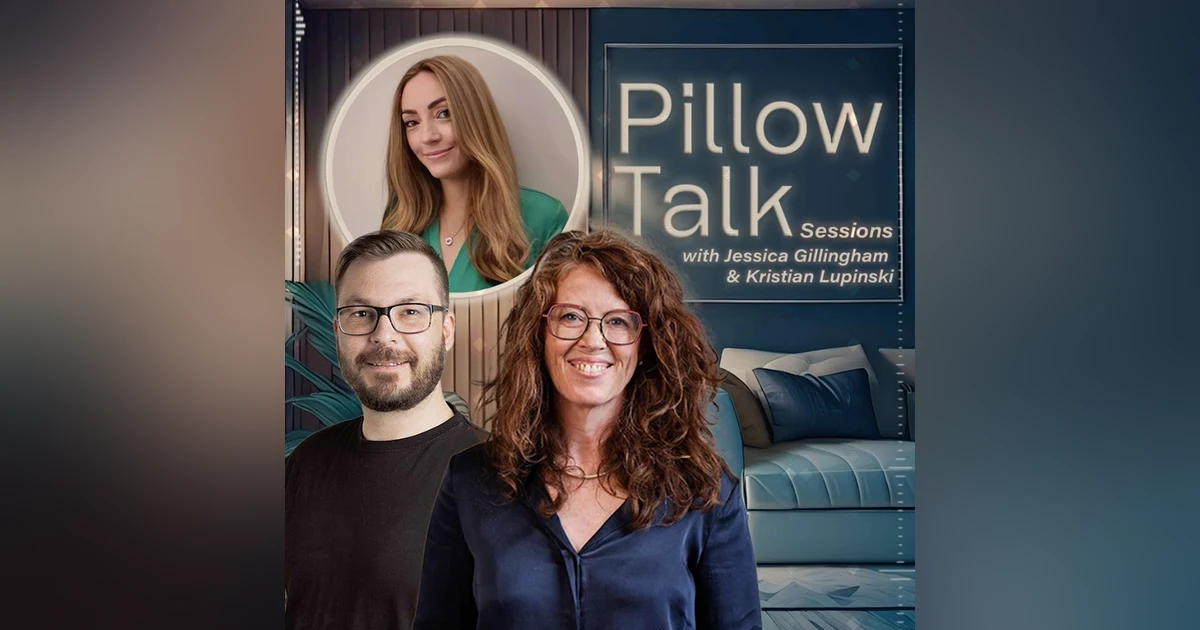
 In this episode, hosts Jessica Gillingham and Kristian Lupinski sit down with Suzanne Luscombe, Strategic Growth Director at resiCentral, to dive deep into the Build-to-Rent (BTR) and Co-Living sectors.
🎙️ What to expect:
🏢 Key strategies for positioning brands in BTR and Co-Living sectors.
🌱 The growing importance of sustainability and green buildings in rental living.
💻 How technology is transforming modern living spaces in mixed-use developments.
🔮 Future trends shaping flexible living, urban environments, and how we work and play.
It’s a fascinating discussion you don’t want to miss!
Tu Subscribe directly visit: https://www.pillowtalksessions.com
#PillowTalkSessions #Podcast #BuildToRent #CoLiving #Sustainability #FutureOfLiving #Technology #FlexibleLiving #BTR
Meet the host of Pillow Talk Sessions
Jessica Gillingham is the Founder and CEO of Abode Worldwide, a strategic public relations agency dedicated to elevating the profile of transformative technology solutions in global hospitality, lodging, and rental living. An established industry thought leader, Jessica is a frequent conference speaker and author of Tech-Enabled Hospitality, a new book exploring the innovations shaping the sector.
Welcome back to the Pillow Talk Sessions podcast. My name is Jessica Gillingham, and as always, I'm joined by my co-host, Christian Pinski. Today we've got a really fantastic episode lined up for you.
SPEAKER_01That's right, Jessica. We're thrilled to be speaking with Suzanne Lutcombe, the strategic growth director at Red's Central. Now creates a wealth of experience, energy, and insight into the build of rent and co-living sectors.
SPEAKER_02And if that wasn't enough, we're also going to be discussing with Suzanne the future of flexible living and the trends that could shape the way we live, work and play in an urban environment. It's going to be a fascinating, energy-filled conversation. So let's jump right in. Suzanne, really happy to have you on the show and to talk to you about all things filter rent, living, hospitality, technology, sustainability, all those things. And I know that from seeing you and meeting you many times over the years at various events and conferences, that you are a fountain of knowledge about the sector. So excited to get your thoughts here. But first of all, do you want to give us a brief intro?
SPEAKER_00So I'm Suzanne Laskin, and thanks for the kind intro. And I guess I've got quite a diverse background, but all very much real estate. So started off as an estate agent, went on then to work for a number of the very top house builders. I've worked for Telford Homes, I've worked for Barclay Homes, I've done a couple of stints with housing associations, including just for two and a half years back being sales and marketing director for Notting Hill Genesis, and over the last couple of years, really got into this really cool urban living space. So for me, I feel like across the sectors, I've seen such an array of different products and propositions. And I guess really the excitement of it all evolving and how that kind of tech piece sits behind it, but also what the kind of consumer is looking at. So yeah, super excited to kind of get thrown some questions today. Let me see if uh I I can uh go back to the knowledge I've kind of founded over the last 22 years and pull out some of the kind of top bits which I think have probably created a bit of the landscape today, really.
SPEAKER_02And the landscape has changed, hasn't it? Like over the time that you've worked in real estate, sort of what has it, what what is a sort of very potted history of the change in build to rent and the living sectors that you've seen?
SPEAKER_00I think it's about the evolution of the end user and what they want, and it's about lifestyle. Um, very much and not scared to say I will be 40, but very, very soon. And the aspiration for my parents was to own my own home. It was never to rent, that was just not what it was. And for someone who got into sales at the age of 17, property sales, there was always a massive push that everyone should be a homeowner. But there was never the consideration of actually the person who was then gonna live there, and a bit like jobs for life, it was homes for life. Whereas actually, I just don't think that people see life like that. I think people love flexibility and the introduction, call it just over 10 years ago of BTR, just seemed like a crazy concept. Are we telling the market that we no longer own, we're gonna rent? And now, what we've got five or six very different kinds of tenures with sit between that. And I think that just shows you that we are a society which is now lifestyle-led, opposed to we're gonna be in one location or a home our whole life, we're gonna save for that deposit and we're gonna stay put. I think it's actually let's go out there, let's have some fun, let's move around and kind of see almost where the wind takes us.
SPEAKER_01I I wanted to ask a little bit on that because you know, you're saying it's a lifestyle. Do you find that with maybe it's a generational thing from millennials, you know, Gen X, Gen Z? Or is it, you know, just the way our society has evolved? Have you seen the a difference between those two things?
SPEAKER_00Massively, but affordability has to come into it. And I think that I've got parents who are a lot older. I've got a father who's 83 and a mum who's shortly going to be 80. Not that I said that on air. Um, however, their generation was very much about passing on an asset. You know, this is our home, and we've had our children here, and you know, Christmas Day will be here to the end. Whereas, you know, now people go, actually, should we jump on a plane for Christmas? Uh, should we just rent an Airbnb for the summer? You know, life has become about experiences. So I think the generation has definitely led it in terms of the older generation, but now there isn't so much of that old money coming through. And I think for those who perhaps bought a home some, I don't know, 40, 50 years ago, they may have spent 20,000 on it and it might be worth 800,000. So the money which gets passed through is vast. Now that opportunity no longer exists. We're not in that type of market, and so actually, that money often gets absorbed, probably in care home charges, inheritance tax, and things like that. And so you're no longer kind of a generation who's got money just passed down the line. And so actually, the youngsters are going, I'm not going to get any any inheritance. Wow, I've got to live in today's society. Life's really expensive, but actually, I still want that holiday. I still want to go travelling for six or eight months of the year. And if I want that handbag or that 10 cups of coffee during the week, I'll have it. And I think, you know, it's never caught up property prices with kind of inflation and everything like that. And so that gap has enabled really this marketing uh sector to really push through on what rent is, and then off the back of that, actually, how rent doesn't have to be a year's tenancy agreement. It can actually be a week in a different location and it can be moving across brands. So I definitely think is affordability and probably a bit of an old-fashioned perspective that we're all out there to buy our own home and live in it for the next 50 years.
SPEAKER_02It really is a sea change, isn't it? And and it's probably a particularly UK British thing about owning property as well. But I also think with the younger generation, you know, I often feel sort of sorry for them. I have you're going to be 40, I'm about to be 50, but I also have younger brothers and sisters that are still in their 30s, and they haven't been able to buy property in the way that my, you know, just that 10 years, 15 years difference, you know, being able to buy property very affordably when I was younger. But just back to your point about a lifestyle thing, because the other thing about the build to rent and the living sectors and the sort of the change in expectation and wanting experiences is that perhaps that sort of slightly younger generation want to live in better locations, have all the right stuff, have the really nice home in a way that they really, really can't afford to buy, but they can to sort of borrow or rent if you like. So have all of that a bit like you know, having the travel experiences, but having the sort of first-class home experiences in a way that's more affordable, in the fact that they don't have to have a lot of capital for it. What is that sort of part of driving it as well?
SPEAKER_00Massively. Look, we're we're in a world now that whatever you want, you can more or less have. Um, and I don't think I agree on all stance to that. I remember on my 18th birthday, the cards came through the post and so did credit, credit card applications. So we are a society which unfortunately often suggests that we can have anything that we want and the debt behind it shouldn't be an issue. And I think that is something to be really, you know, careful of. And you know, I've got two young children, and and I'd like to, in stealing them, that you know, you should still save and you you've got to think sensibly about money, and it's not about kind of putting it on your credit card and do things as and when you want. However, the lifestyle part, you know, what we think of now as a necessity five years ago was a luxury. Um, and I think that's really been the changing part for it. You know, built a rent 10 years ago, I remember going, This this concept's mental. Why on earth would you pay twice the amount that you would pay on a mortgage and have a swimming pool in your facility and a bar? How weird would it be to go swimming with your neighbour? How weird would it be that at the end of the night you come home with a friend and you stop for a glass of wine and you bump into everybody on your floor? Actually, fast forward now, that's the absolute normality, and it's no longer a luxury. It's actually saying, I want to come home at night, and actually, if I want to go up to, I don't know, the fifth floor and there's a bar up there, how fantastic, I don't have to pop out. Actually, you know what, my flat's not massive, but there is an eating facility on the 10th floor, or there's a communal kitchen, which isn't necessarily a communal kitchen like student accommodation, but actually quite luxury. And suddenly everything that you've got everybody aspiring to have sits within one block. And I think that it's almost the all-inclusive holiday, but the all-inclusive living. And I think that's just the way we've gone.
SPEAKER_01Um, you know, it's really interesting, uh Suzanne, but have you seen like any of these uh trends become more and more popular? Like you said, swimming pool, bar, restaurants, things like this. Have you seen these kind of take more dominance in the space?
SPEAKER_00Absolutely, and I think you've got some fantastic brands out there, and this is what's driving it because you know, once upon a time it was, oh, there's going to be a gym on site, and that might have three machines, and then suddenly it's a gym on site with 10 machines, then it's open six hours a day, 12 hours a day, 24 hours a day. And I think as these brands have developed, and what I call lifestyle brands, one tops the next. And there are some fantastic examples out there. The other day, I was at um a site in Stratford by Greystar. You know, Copper Makers is absolutely outstanding on every single level. I've stayed there myself. It is like living in a spa. You just pop down to the swimming pool, or actually, you know what, you want to have a private dinner with your family, you just reserve the area and have a private chef come in. And I think what's really cool about this is you've got these people setting what you think's the bar, and then the next car which comes along, actually it does the same. And I think that's what's playing around with these price points because actually, once you've lived in a complex like that, I think you'd find it very difficult then to kind of go backwards on that. So I think it's just a matter now of brand how people are positioning themselves in the market, and then what becomes again normality. So I don't think that people will see it kind of as a necessity anymore. It will just be that's life. Of course I've got a swim pump. Of course, I used to have a gym, you know, that that that is what they're buying into.
SPEAKER_02But I mean, what you're saying sounds so appealing. But is the demand there? Like, are the consumers the residents are they are they able to really understand what's being offered to them here? And are they taking, you know, taking the operators up?
SPEAKER_00I think there is a massive confusion in the market. And I think where we have gone from uh, you know, aspiring to buy and now actually renting, and that being the norm, that there is a complete misunderstanding of what all the different terminology is. And to you and me who sit within this space, we understand what co-living is, we understand short-term rentals, what a serviced apartment is, what BTR is. But actually, these are very much inward-facing, they're not external. So when you've got a couple or friends or a single person actually going, right, you know what? Perhaps I'm going to move to London. Or I want to look at rental options. They probably go down the standard route of looking up or going to an agent, you know, flats to rent. And then there's this horrible confusion about, well, hold on, someone told me about this. Oh, but someone told me about that. And then vice versa, with that confusion, I think that you've got a few of the naughty people out there who go, actually, I quite like the idea of co-living, so I'm going to pretend I am a co-living provider. Um, and that means if I stick in some desks downstairs, that means it is co-living because they can kind of live there. We'll do a shared kitchen and we have a work air, and it's like, well, no, actually, that's not what it is. And I've become quite pedantic about kind of preaching the difference between what they are, because actually the co-living piece is so different from VTR, but it doesn't mean that it is anything less, it's just a completely different setup. And I guess the frustration is that co-living, from my like perspective, is deemed to be the next setup uh from student digs. That's not true, it depends on the brand. If you go to Art Co-Living in Wembley, it's not the slums at all, actually, it's one of the best buildings I've ever been inside, and the um intention for it is even greater. But behind that is community, you know, you can move in with no deposit, you could be here for a night, you could be here for 10 days, six months, you could be here for a year. This is completely flexible for how you see fit. And actually, if you decide that that location isn't right for you, you're part of that brand's community. So, actually, you know what that brand offers. Do you then move to one of their other sites down the road? You know, BTR is completely different. You're signing up for a year-long tenancy agreement. You haven't perhaps got so many shared amenities in the sense of bringing that community piece together because, again, with co-living, you have actually resident uh communication offices and these community managers driving, you know, different events every night to bring those people who perhaps are new to the city together. And I think that's where the industry needs to really work harder on the education piece for the end user because there are so many options.
SPEAKER_02That's interesting. So, co-living is more than just sharing a few facilities like a kitchen, it is actually about the whole concept of being part of a community.
SPEAKER_00That and much, much more, Jessica. You know, some of these apartments you go into, they've got they've got a kitchen. Yes, they might not be massive, but actually, like again, I had to go back to ARC just because I think it's fantastic. The whole top floor is a cookery school, so they have people come in to teach lessons. People then can hire out separate areas, but they have a whole board of different activities every night. They've got a cinema room, they put polls out to the residents and say, hi, does anybody fancy tonight watching it? Could be Disney, it could be horror, it could be whatever, and actually bringing people together and giving them a sense of community. And I think you know, BTR is about shared amenities if you want them, whereas the co-living piece is saying, look, be part of something. And I guess the wider piece is actually the local community. Because with the co-living, what they do is they get involved in local restaurants, local charities. They might then say, actually, did you know that I'm going to make this up? I don't know, Barry's bar has got two for one cocktails tonight, and we've secured a really good deal. So for anybody who's part of whatever co-living brand, if you go there next Wednesday night, you know, you'll get a beer in a pint for five pounds. You know, they're they're trying not to just make it about the building, they're trying to help people actually form a relationship with the area, make them feel comfortable, and ultimately make the decision do they want to live in that brand's apartment, but also within that area? And if the answer is no, they can then trial a different part of that brand in a different area. And I think, you know, not so many people know that. And then I think for me the frustration is then when you get people to say, Oh, actually, that's a new co-living um block opening down there, and then I have a look at it and I go, There's no community manager, there's no communal events for anyone, there's nothing about community building, and I think this is the problem that it's probably not laid out clearly enough. And actually, then you've got a load of people with missed opportunities because actually it might have suited them better to have gone into co-living, or actually a service department for a few months until they're up on their feet. But I think that education piece is massively missing.
SPEAKER_01So, what what can these, you know, whether they're build-a-rent or co-living, what can these brands do in order to, you know, effectively communicate, you know, what they're doing or you know, which sector to that they're in? Is it more of on a marketing side? Is it the information that they provide the community? I mean, how can they do this more effectively?
SPEAKER_00I think it's about the platforms. And I still think till even today, that isn't quite right. If if you think about the traditional sales and rental market, it's all on right move. You know, right move absolutely dominate that market space, and that is the kind of go-to place. But I think it's about ending up with a platform that people get the educational piece and almost like what's your requirement? Are you looking for something permanent? Are you looking for something, you know, short term? Almost what's your aspiration? Are you here for an apprenticeship? Are you here for business? Are you here for a relocation? And I think we haven't got a platform right now which allows for that requirement piece to go and then that behind it. And the other part to it, I guess, which I find like quite staggering, is when you have like affordable housing. So if you look at shared ownership and outright sales, they have gone to great lengths to do shows. So you'll find like Wembley, they will take over, it's the first-time buyer show. They will do all of these things where all the providers turn up, they have actually stages with people going, well, this is what shared ownership would be, this is what intermediate rent would be, and they educate people on the different paths. But what I'd love to see for this sector is almost the ability to bring the public in somewhere and for people to explain it to them because very much we all explain to each other. Jessica will tell you how many conferences do we go to a year? It feels like hundreds of things, and actually we're just gearing up to the push towards the end of the year with them now. But it's very much a B2B area, it's not there for the end consumer. And I think we've just got to get to a point where actually people are invited in to learn about these, and I think then all of the brands have the opportunity then to kind of get their proposition put forward. But at the minute, I think it's luck of the draw, and I actually think with leasing up periods within these blocks, it'd be a lot quicker if actually the end users knew where they were, how accessible they were, and actually the finer detail. But I think that's the bit missing, that it's the information's not going to the end user, it's it's B2B.
SPEAKER_02Yeah, if I think about all the people in my life, nobody knows what co-living is, nobody knows what build to rent is. Even though we I live in Bath and we have new buildings going up all the time at the moment. We've got, you know, different brands coming in to do BTR, co-live, and also of obviously student as well. We've got them all coming up here. But if you said to anyone, do you know what co-live is, they would have no idea.
SPEAKER_00And that's scary because you've got all of these different developers and operators going through planning to get more. So it's you know, this is here to stay, and this is only getting to get bigger, and and we're forgetting to take those people along the journey. And I think also the fact that there's a massive issue with supply and demand. But actually, all those people who are going on right move perhaps every day or signed up to their local wage and going, Oh, has anything come available yet? Well, actually, if they're not looking in the right place, they're not going to find there is. Whereas it might be that you've got uh BTR operators just open a new block and they go, actually, the lease up period is going to be six to eight months. But then the other side of the coin is saying, actually, I can't believe it, we can't move out, or me and my friends can't go somewhere new because there's no availability. So again, there seems to be a lack of crossover.
SPEAKER_02What kind of a platform do you think would really work for those kind of new concepts that are now in the market? Would it be something that might be a little bit of a cross between more of so let's say a traditional kind of Airbnb type platform and right move, or what do you think would would work there? I think something more towards the right move.
SPEAKER_00And the reason I say that is that I think that again, Airbnb is misunderstood. Um, and you know, Airbnb is just literally a platform. But if you said to the end consumer what's Airbnb, they go, Oh, it's a house in Kent this weekend, six bedrooms for a thousand pounds. And you're like, no, no, no, it's a platform. So I think that we have to be really careful with Airbnb. I am a fan, I use them. I was in Airbnb only only a month ago, but actually with them, it's misunderstood. And also some people still are very fixated on the bad press behind Airbnb that actually would they take the risk of going to stay somewhere that then when they get there, they're really disappointed. So I think it has to be something which stands back a bit and and a really, you know, right mover are in a position to do it. And I do know behind the scenes there has been talk about them starting to put, you know, on their sites kind of more the short-term rental space, but I think it's then getting the brands to build into it, and I think that really it's the old school against the new school, and nobody knows how to quite do it. And then yourself and I have a chat at a conference a few months back, and then you and me are discussing the fact the knowledge base in here. So I kind of feel like we need to kind of get everybody on that bandwagon and go, look, youngsters want a really simplified way of going online and seeing all the options, um, but also getting people on board to do that, but it has to be super simple, you know. Not not us uh old folk, not talking about you, Jessica, but just me in particular. I read the finer details. These youngsters want to know what's available in an area at that price, you know. Simplicity is what it is and what what they're going into.
SPEAKER_01Yeah, 100%. I couldn't agree more. I mean, I'm I'm just maybe one year behind you, Suzanne, so uh I wouldn't consider myself that much of a youngster. Uh, but but no, I couldn't agree with you more. This uh the newer newer generations, they want to see what it everything is right now, right here, on my mobile phone uh instantly. So maybe we should talk a little bit about that and how technology and how it's been integrated into the sector. Um, and what kind of you know things have you seen that are are growing that way? And what is the necessity for these uh you know different companies and brands to be able to stay in this industry and be able to provide that kind of technology to this uh tenants?
SPEAKER_00They need to be able to have everything at the touch of a finger, right? And that's not because they're needy, that's because of the life of the mobile phone. And I have a three year old little boy who knows how to unlock my phone, he knows how to. Um go to the BBC kids section, he knows how to do a drawing on my phone. You know, if that's the youngsters of today, right, and he's three, there is no way those who are now going to rent are going, you know what, I'm going to go on a website on the PC and I'm going to do this. And I think that actually then goes further in terms of how people use their property. So if you think about the stuff like smart locks, well, actually, now why wouldn't you just have your key on your phone? You know, you go out. Why, why do we all need a key? You know, who carries a purse anymore? I don't, just for the fact that you've got your card on your phone. So actually, when we talk about a paperless kind of world, even down to cash, the whole thing's going that way. And the ability to go home, get through your front door, or even your communal area to know if maybe concierge has got a parcel for you. Because guess what? You've got a WhatsApp. Do you know what? You actually know that tonight there's an event, and do I want to come along? Oh, there's a poll. But then the other side to it is actually the efficiency within the home. And I think that's really cool with the green tech space now. Um, because actually education is key, and without it, how does the end user know or know how to change behaviours? And one of the massive things with these buildings is the sustainability piece, and part of that is actually retention, because if the building owners have got no idea what is going on within their buildings or how they're being used, or actually things which might not be right, they can't then always make the right decision. So, example piece, let's say you've got poor air quality in a communal lounge, sake of argument, or a work area. You don't necessarily know that. All you know is you're sitting there, you feel a bit tired, feels a bit stuffy. Actually, you don't really want to work there anymore, you go back to your room. And it could be that that's actually a factor of why you ended up living there. And if that is a reoccurring situation, that actually every day you go down there and it it might actually make you move out in the end. You don't realise it at the time, but actually, one of the key points to you living in that block with having these shared amenities, but actually for some reason it just doesn't feel right. Whereas actually, if you put green technology in which can track, I don't know, and this is a good example with the um air quality, but actually something's not right in that area, it's pretty poor, there's it's it's too hot and it's too stuffy, the air circulation's not right. Well, actually, by monitoring that you suddenly make it a way nicer environment to be in. The same kind of with the gym areas, either people complain they're too too hot or they're too cold. So I think it's about being really smart across a whole building, even down to um the lever of the lighting, but then the individual apartments. Now, if you could give someone the opportunity to look at an app and go, right, actually, I'm on my way home, it's two in the morning, it's freezing cold. Can I put my heating on? I'm not going to wait till I get in and then freeze. Actually, I'm just going to go on my phone and I'm going to put my heating up when I get home. Actually, you know what? It's really dark tonight. I'll put my hit my uh lighting on before I walk through the door. All of those things are becoming the norm, and actually, they raise the kind of satisfaction of the people who are living there. You know, if we think that we have Alexa, we have music playing when we talk to a machine, so why on earth wouldn't we turn our lights on and off? And then there's a smart part of that with the energy consumption, which is absolutely messy. You know, when we talk about ESG, next year a lot of these companies are going to be in trouble because you've got a report on it. But then how do you change from being a sustainable building to sustainable living? And this is my latest mass piece of interest because there's a lot of developers out there at the minute who hats off to them are really, really working hard to sustainably build. And I mean the way they source everything is fabulous. The way the appliances they put in are AAA, the way that even you know site waste is controlled. But the problem is, what if you do the whole investment piece in the build and then the end user moves in and they do not live in it sustainably? So they go in, they turn the heating up to 30 degrees, they leave all their lights on, they open all their windows because guess what? It's a bit stuffy. They're not actually paying the bill because it's either a communal charge within a service charger they brought, or perhaps it's included within their rent. How is that now living sustainably? And so for us, you know, this generation, I think it's the educational piece that you actually put on, you know, as a child. My dad would have gone ballistic if I'd left my bedroom light on. And I know my husband's most of these always like click, click, click. How long are you going to be in the shower? You know, I've got a six-year-old daughter, nearly seven, and even now, I'm like, how long does it take to wash your hair? And you know what? Part of that is just probably being brought up, you know, in that older generation. But actually, when you read all the news reports at the moment, even the water crisis is, you know, quite shocking, actually. But all of these things will not change unless you educate that person. And what I think is great about this green technology is actually through an app on their phone, it can say, Did you know you've left your heating on 30 degrees? If you were to turn that down by two degrees, it could save you £240 a year. Or do you know that that's not a sustainable way to use water? Or actually, you've left all your lights on. And I think that this is where that piece needs to move forward because how do you change behaviours if you don't educate? And certainly, if I wasn't so moony with my children and husband, we'd probably have all the lights on all night long and probably heating on in the summer just because it's there. So I definitely think that tech piece has to become an educational piece and really educate that kind of end consumer on how they use their home and actually the difference they will feel within it.
SPEAKER_02That's interesting because that's all back to that kind of experience of the living as well. And I'm just going to add on this. I mean, I was brought up, put a jumper on, still cold, put another one on. And you know, I have children that are just in t-shirts and shorts in the middle of winter because you know the heating is expected to be on. But just on air quality, like I had I was renting, or our company was renting a co-working place, and we actually left because the air quality was so stuffy. I found it, you know, I was asleep by three o'clock. I found it really uncomfortable because it was it was a beautiful old Georgian building, but the air quality was so poor that that's that was actually a driving factor of why we moved to a different co-working. Um, but the sustainability and um the the tech sort of side side of it, I mean, imagine you know, getting a notification saying we could save you £240 a year. Now, if the resident is not paying the bills, they might be so what? But if it said, and this might save 10 trees a year or something like that, that would be much more kind of that emotional motivation might be there. And so, with that, with technology, you need to have it all connected, then, don't you? You do need you need you do need to have the kind of the senses in the property, the access, and then also a resident app that then says these are the things that are going on, as well as for the operator, I guess.
SPEAKER_00And you're completely right. And I think you know, I'm a great believer that you can't unlearn things. So once you know something, plain ignorant doesn't work anymore. And through the time that I have spent um in my current position at Resi Central, it's been an amazing kind of journey for the fact of that tech that it's not in there to monitor, because actually data monitoring is fantastic, but it's what you do with it, but it's the educational piece, and actually, if they pay the bill themselves, actually making them aware of the impact they could have for themselves, but actually the building they live in, and if they don't, actually, even the introduction of stuff like fair usage policies saying, you know, this should be your allocation within the rent you pay. If you're going to overuse it, which means that we're not being sustainable as a community, you will be charged. Um, and and also kind of the welfare part, if you can then look across a whole building and say, well, hold on, the air quality in certain apartments is really poor, you know, is it good for someone's health? And you know, it's it's silly things that people don't even understand about products that they use, you know. Air quality is such an array of even, you know, um bringing in uh clean air. But also if you're going around with a load of products with bleach in and you're burning a load of candles which are full of chemicals, that all massively affects the air quality in the place that you're in. But for me, it's the educational piece, and and that's what we're trying to really drive home in the minute. That the end user, whether it be that they're on holiday for a week, if it's a corporate left for three months, or whether they bought their apartment, they have to be part of the piece because the building, the sustainable uh block, is not good enough. It's how you're living within it, Jessica. Like it with without that, the whole thing actually falls apart.
SPEAKER_02Yeah, so you can have those foundations of how it's built, but if it's not used in a sustainable way, then you might as well almost forget about the other stuff.
SPEAKER_00It becomes irrelevant, absolutely irrelevant. Um, and I think that's really sad, and you would hope that the younger generation now are more in touch with it. You know, it is everywhere, but again, it depends where you're from, and and also I think there is the perception of entitlement. You know, I pay my rent, and so I should get this. But actually, that that's not true because you pay your rent um and you have I don't know, heating included doesn't mean that it's right to have air conditioning running all the time. A bit like a hotel room, almost where you know, everyone's used the trick of using their, you know, Tesco's club card or you know, a business card from a networking event and gone, right? I will leave my air conditioning on so when I come back it'll be lovely and crisp and cold. Well, actually, that's not really acceptable, is it? Because when you come back to the room, it'd only probably take half an hour for it to cool down, but yet you've left it on for 10 hours. And I think that you've got a lot of brands really working hard at the minute to make that awareness. Um, but I've seen, I don't know about yourself, but quite a few of these bigger blocks now trying to bring the community um element into it where they're actually reporting, say, you know, pizza on a Friday night for the most sustainable floor and encouraging people to actually, you know, turn off, you know, stuff that they're not using, turn the lights off, turn the heating down. Um and I think that is crucial and kind of championing it. And I think the other way is with the tech, um especially the stuff that we're working on, is the smart automations where actually you can no longer have the heating up over 25 degrees. That is the maximum. Put that with occupancy detection, it says actually nobody's home. So after an hour or two hours, let's just drop you down to whatever an eco setting is. Oh, another hour's gone by. You're still not there. Put you down to then standby. And I think you know, there has to be those layers in it now because we can't no longer be a society who just says if you're there and you're paying X amount of money, you're entitled to a never-ending supply of, you know, water, gas, electricity, heat. You know, that's just not acceptable, is it?
SPEAKER_01Yeah, I I think there's there's no excuse, uh, like you said, for any of these things to uh continue because the you know, the the data's out there, the information's out there, you can't just turn a blind eye. Um, and I I also couldn't agree with you more when it comes to the educational side. You know, this is what uh we do a podcast for, this is why uh we listen to content is we're always learning about new things, and that's what we're trying to do uh through this series. So uh I have a question for you on the brand side, uh the operator side, because there is a lot of hesitation to get into these technologies. You see it a lot in hospitality, you know, they don't want to do keyless entry, they don't want to do automated check-ins, you know, they want to change all their doors that they've had for you know 15, 20 years. It's just too much of a hassle, or it may not work. And what if it doesn't work? They need customer service. So, what do you say? I mean, do you see this with you know built to rent or co-living brands that they're afraid of this technology, or do you see it as something that is necessary now? Um, do you see any pushback and what would the pushback be?
SPEAKER_00The pushback is cost, right? It all boils down to cost. And the naivety is probably the lack of research done to understand then the cost saving the other side to it. And again, this this is particularly of interest to me at the minute. If you look at the news the last few weeks, how how are we in a position that gas and electric prices are going up again in October? Maybe it's to celebrate my 40th birthday. Let's hike up prices again, right? I don't know, I'll take that. Maybe that could be an advert for octopus energy, I don't know. So you've got that. Then you've got the scenario with water. So everything is continuing to go up. The other side to that is how tight are margins being squeezed, right, to all of our providers. It's a very competitive market. I know everybody's saying, yeah, you know, you can charge whatever for rent because, you know, everybody's desperate. Well, that's not quite true. Um, because actually there's quite a lot of empty co-living or BTR, you know, going through the lease up period at the moment that again is probably empty because people don't know about it. But all the time that you're not addressing some of this kind of tech stuff, which is not only just efficiencies, but actually time saving and cost on even you know your energy management, you know, it's it's a bit a bit of a lost well because these people are not understanding that number one, this is the expectation, but also if you were to change, it could be the door locking system sake of argument, actually forget about keys, forget about key lockers, forget about the need for you know different people to pick up stuff at different times, actually, security knowing people who are going in and out. The energy consumption piece is massive. Like, how would you ever know the performance of any building? And then how do you, as a business, make any financial decisions for the next part of your business? Because you're looking at that margin, which come on, everybody is looking. Nobody has a business unless they're making a good enough margin. So, how then do you design the next block if you've got no data from the block that you've already got? So for me, it's about making the right advancements, but also we talk about a tech stack, but also ensuring that you haven't got too many bits to do the job. You try and almost go for something that can do the majority of what you need, and then it is open for other features to be added or can be customised rather than doing a little bit of this and a little bit of that, because I think that's the problem with the market that everyone wants to or has to move forward, but they don't quite know where. And I call it a green journey, right? And green steps that everybody is trying to make some way forward at the moment, and where someone might start, it could be I don't know, could could be water consumption, it could be noise detection, it could be a keyless card. But unless you've almost got an actual what I call a green strategy, you're never going to get to the M piece. So I think the problem is if one of those pieces then gives you a bad experience, oh, you know, you're nervous, you know, you take a step back. But also the rates per night, so if we take short-term rental for um example, it could be in a BTR block. We we know for a fact that some of the operators that I've known over the years, they will take units within the uh Greystar or other BTR blocks. Now they are charging a rate per night. If whoever is staying there is completely and utterly rinsing those utilities, that margin is decreasing second by second. So there has to be something that comes into that space in order to protect those margins. So I think that it's a slow start with all of this, and I think kind of the bigger companies are up for it. But if you think about America, America don't do keys. What's the key in America? What? You know, they're fully advanced on that. But you look at Australia and they're completely behind like on anything, even from energy monitoring. So I do think the UK is in a really super strong position with the kind of prop tech and the green tech to really kind of pave that way forward. But I think it's once bit and twice shy that unless people do their research properly, and also it's the return on investment, unless they can really show that they're not then making the investment or they're making it in the wrong places.
SPEAKER_02And you talked about having a green strategy, and it's a bit like when you're building your your general tech stack, you need to have a tech strategy for building that tech stack that you have for the whole business, and then it is looking at the bits that are the green as well as the experience for for the end user as well. It's really interesting because it can only go in one direction, this can't it? Like it literally can only go in one direction. Um I actually I actually interviewed for a different project, Dale, last week. Um, and it was more about host and stay and around because Resi Central is part of the Host and Stay group. And it was really interesting talking to him about how, you know, the you guys are in on the res on the host and stay brand using Resi Central for all kinds of things and how it is increasing, you know, for the owners of that product, how you know it's really helping them, you know, make those savings and things. And one of the things that you said about being, you know, if you're if you're out, you leave your air conditioning on so that you come back to a nice, crisp, cold apartment. I've been guilty of that. We were in Croatia for our summer holiday, we did it, we left the air con on, so when we came in, it would be, you know, nice and cool. I feel awful saying that now, but we did do it. And but having having the ability to have put it on half an hour before we arrived, just like you might in a home with nest, would have been, you know, really that would have eased any kind of sort of conscience that I might have, but also we would have used it.
SPEAKER_00Look, we're we're all guilty, yeah. And we need help in in how we manage that. And right now, because there isn't the solution there being used, everyone will continue to do it. Um, and slightly off piece in terms of you know, not necessarily BTR and short-term rentals, but if you look at kind of holiday parks, you know, they're not necessarily you've got the all these lodges and things like that, they're not necessarily the best uh in terms of installation. So actually, they go the other way, you know, you get a cheap deal because it's the winter months, and people go, oh, three nights away for £99, isn't that fabulous? You know, we'll we'll keep that heating up 30 probably the whole time we're there because we know it won't keep its heat, and also we'll use the washer dryer even for a pair of you know pants and socks, because whilst we're here, and and you know what, it's back to that kind of entitlement piece. But for us, it's taking things just one step further. So instead of it being on programming, so i.e. the half an hour before you come back, it's actually the occupancy detection. So you've got two ways of doing it. So you use the occupancy detection actually to turn things down or off, which is incredible because let's be honest, we've all done it. We've gone out and we've left a light on, you've come back and you've gone, oh god, that light's been on all day.
SPEAKER_02What I would say is it goes another step though, as well, doesn't it, with the automation. So actually the operator can decide the rules as well and say, you know, when this happens, then this happens.
SPEAKER_00Now this is fabulous. So this is where I get my ultimate geek on. So I am absolutely about a rule book. Um, so you go right, student accommodation, psychic argument. If this and this contribute to that, that cuts off. I, we were doing a piece of work the other day on heated tower rails. Why would a heated tower rail need to be on all day long? But how many heated rails do we reckon are left on across the country throughout the year? Thousands, maybe millions, because it's one thing you go into the bathroom, you want your towel to dry. So actually, if there's no occupancy in student accommodation, all the lights are on, the heating's at 30, within an hour it drops down to this. But then it gets even smarter. Well, hold on, humidity in that bathroom. Or humidity levels are high, heating's high, and air quality's bad, send an alert. We've even developed it to the point about actually well-being alerts. So actually, the status of a property is a bit odd. So there's been no occupancy detection in there, or actually a small amount, but the heating's still really high, and the humidity's through the roof. Should someone be going around to check the person in there's actually all right?
SPEAKER_01That's that's great. I mean, there's a lot of interesting stuff um in this conversation. There's a lot of like exciting technologies that are coming out and uh lots of ways that we can not only live better, but live better for you know the whole environment that uh we exist in. Um I suppose there's there's one more question we have for you, uh Suzanne, before we wrap up today's conversation. The future of flexible living. You know, how do you see uh things moving forward? You know, are the trends gonna stick around? Is this technology just gonna get better? Uh are more people gonna you know look at this uh more rental rather than buy, uh, and is it gonna continue to expand uh the way it has the last few years?
SPEAKER_00Now that is the milliardon question, isn't it? Absolutely. This flexible rental space, which is what I call it, has got every opportunity, I think, to pretty much take over the market. The more flexibility you give everybody, you know, we joke, you know, you take an inch, take a mile, right? That will become the norm. And it will become the norm through generations. So what we're seeing now is a 20-year-old thinks this is fabulous. Well, actually, in 20 years they will be 40. That will be inherited down to their friends, to their family, that approach. So it's gonna become generational, 100%. But what I think will become really cool is the normalization of these things, that these will become very normal products, very normal ways of living. It shouldn't be like, oh, have you heard about this BTR block? That should just be an option on the market. But where I think it's gonna become a really interesting space is really the multifamily units and also senior living. Because There are still the question marks over, you know, would a family with two adults and two children live in one of these blocks? Is it really been built for them? And also for the senior living part, because actually, why should it matter what age you are, the size of your family, and where I think it will head is actually it'll become more community living, which is what it's like in a lot of different countries. You know, people aren't told, you know, there's a BTR block and there's co-living, there's student accommodation. Actually, it's accommodation which is so flexible that it doesn't matter who lives there or how many people. But where the tech comes into it, which I think is the most crucial part, is that then you can manage the experience of the end user completely differently. So if it is senior living, actually you could have someone quite vulnerable in there. It could be a situation that actually they're on their own health isn't great. You don't want to invade their privacy, but actually through some of the tech, it means that their family have got more control uh over, you know, a long distance relationship with them. They could see, actually, you know, mum and dad haven't moved around a lot today, actually they haven't turned their heating on. Is there a problem? Are they cold in there? Actually, has somebody fallen over or has anybody been in, you know, that there's there's parts that are so clever. It could be that actually with student accommodation, that actually you make it more open. We have got a lot of foreign students come over, but actually their parents have got a way of engaging whilst they're here. You've got anything from then somebody saying, actually, I just want to stay in this block for a week or a month. So you can change that to the end user. But the fact that you can change number one, the output for the said operator. So let's say that actually certain rules, student accommodation, short-term rentals, we're going to do fair usage policies. For those 10 units across 100, which would be pepper potted, we will go into this platform and go for those 10 units. The rule is no heating over 25. And actually, if you clock up this amount of energy, you'll have to pay for it. Goes the other way. If someone's bought their property within that block, you actually do an education piece. They've got that app to say, hi, you know, you've got it looks like you've gone away. No occupancy's been detected. Your lights are on, do you want to turn them off? The vulnerability side for perhaps the senior living part. And I think that's where the tech really comes into play that you almost no longer have to build, say, well, it's just going to be this particular tenure or end resident. You can actually mix it up, but all the time, you, as that kind of building owner, have full and utter management over your block, and you can see how successful it is, and then those decisions go into the next. And that's the way that I see it, that you're going to end up with whole communities that are mixed. Because I know my dad at 83, God, you couldn't drag me away from that iPad. I could can't actually be the amount of time my father spends on social media at 83. Can't really cook dinner, right? Could never book a holiday on own. And I've never had a text message, right? Ever, right? He can only receive. He can't. However, give him an iPad, he's a whiz. So I think we are naive to think that the older generation don't want this. And actually, if you've got it at the ease of your fingertips. So I I honestly believe, Christian, that the world is our oyster on this piece, and it's that complementary thing between the tech and that building. And actually, I think that all levels want sustainability. I think people want great places to live, work, and stay all the time.
SPEAKER_02That's a great ending. But I'm going to just say something here, too, is that the flexibility is the future. Like it's that once we get used to being able to live this way and be able to kind of pack our bags, move over here, or try a different unit within the same building, you know, or whatever it is, depending on what stage we're at, you know, where we are. The other bits about the tech. So obviously, there's the tech that can be used for the different, you know, it can be used for seniors, it can be used for student, it can be used for the bill to rent. But other kinds of tech are also developed and out there that can also be used for all those different types of tenures. So anything from PMSs to, you know, all sorts of kind of technology, the resident apps and things like that, are being built. So they are for a different type of end user and a different type of tenure as well. Um, and I think that is very interesting.
SPEAKER_00And it's all about the integrations, and that's where I think it becomes super exciting. You know, you've got pieces of tech that obviously that we've got, and you put that with a fantastic PMS, or you know, the the way that you can have apps which, you know, even bring in the whole community piece, and and that's what makes a great um tech stack, isn't it? It's not saying that one size fits all, it's how you add on and how you adapt, but also what the end user wants. And I think that for me it's about a feedback loop, right? If you've got a way of knowing how people are interacting with you and actually getting them to use it, because I think half the time, if I'm being honest, that you've got a lot of apps out there, especially within buildings, which don't get utilized because they've got no reason to use it every day. So it's just another app. But actually, if somehow it was there to be useful, i.e., was your key, i.e. was a way of giving you information, i.e. was a way to close your curtains, turn your heating on or turn your lights off. Suddenly, actually, that app is, you know, your lifestyle app, isn't it? You know, it controls everything, and then you've got another way of feeding in everything else within the building. So, no, the the future is definitely going to be exciting. Um, God knows what my children are gonna expect. I'm worried just about Christmas, let alone their expectation in 20 years about where they're gonna be living, and it won't be here because we've already decided we live in a fairly substantial property that we will downsize and off the back of actually staying in a number of BTR, we really like the idea of living in luxury, actually. Well, why why would you have the garden? Why would you have the spare bedroom for when your kids come back once a year with their family? Like all of this is a generational thing, and and actually, I think you know the senior living piece is testament of that, and it's just about making everything I think a bit more affordable so that actually everybody of every affordability kind of area can access it. But no, I'm uh interested now just to see even in the next year where we'll go with this.
SPEAKER_01So it's an interesting time to be alive, and it's uh lots of interesting places for us to be living in. So um, I guess on that note, Suzanne, I want to say uh uh, of course, thanks for joining today's podcast. We really appreciate your input today.
SPEAKER_00No, well, look, thank you for putting up with me and probably my life story and everything else. And yeah, hopefully I didn't moan too much about the kids not turning on lights and you know, doing things over usage of water from the age of three. You know, what three-year-old likes a shower, or even, you know, my husband going, who cares about leaving the hot water on? But actually, all of these things are fundamental to how we actually look after our planet and the way that we are going to build the future, aren't we, for our friends and family?
SPEAKER_02Absolutely, Suzanne. And thank you so much for joining us. Another really great conversation with you, as always.
SPEAKER_01And that wraps it up for today's episode. And we hope that you got some valuable insights into the convergence of hospitality build-ored. Now, if you haven't already, make sure you follow us on LinkedIn for updates and check our website pilltalksessions.com, where you can subscribe, and we'll make sure we notify you when any new episodes come out. And don't forget to stay tuned for our next episode, where we'll dig even deeper into this industry with more extra guests and fascinating discussions. Thanks again for listening.


