From Leases to Loyalty: Reimagining Rentals with Kevin Murphy (Renew)


 RSS Feed
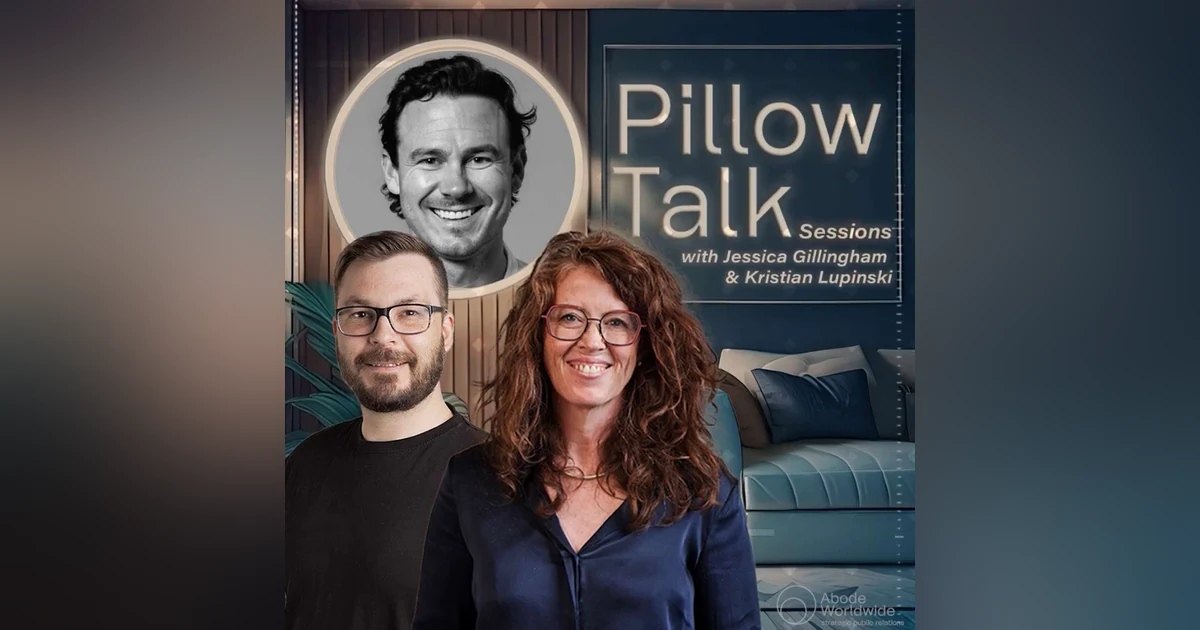
In this episode of Pillow Talk Sessions, Jessica Gillingham and Kristian Lupinski sit down with Kevin Murphy, Co-founder & COO of Renew, to explore how multifamily operators can turn one of their biggest weaknesses—renewals—into a relationship-driven advantage.
💡 Highlights include:
🏘️ Why renewals should start on day one, not 60 days before expiry
🏨 How “hotelification” is reshaping expectations in the rental world
📊 Why fragmented operators struggle with loyalty—and how networks can solve it
🤖 The balance between AI automation and human service recovery
🌍 A vision for renting as part of the American dream by 2030
Kevin’s insights reveal a roadmap for operators to build loyalty, trust, and retention in a sector that has long struggled with churn.
Meet the host of Pillow Talk Sessions
Jessica Gillingham is the Founder and CEO of Abode Worldwide, a strategic public relations agency dedicated to elevating the profile of transformative technology solutions in global hospitality, lodging, and rental living. An established industry thought leader, Jessica is a frequent conference speaker and author of Tech-Enabled Hospitality, a new book exploring the innovations shaping the sector.
Welcome back to Phil Talk Sessions. I'm Christian Lepinsky, joined as always by my co-host Jessica.
SPEAKER_01Thank you, Christian. And today we're joined by Kevin Murphy, who is the co-founder and chief operating officer at Renew. Now Renew is a tech company that's reimagining the multifamily rental experience by combining hospitality principles, smart technology, and a sort of deeply resident-centric approach to the renewal process.
SPEAKER_00We'll also be diving into the hotelification of rentals, the role of loyalty in a transit industry, and how Renew is building an ecosystem that puts flexibility, connection, and service at the heart of modern branding.
SPEAKER_01Kevin, welcome to the Pillow Talk Sessions podcast. It's really great to have you here, and I'm I'm really looking forward to our conversation. But before we sort of get into the nub of it, could you please introduce yourself and tell the audience a little bit about your background but also Renew as well?
SPEAKER_02Yeah, sure. First off, thank you so much for having me. I'm excited to be here and uh appreciate the opportunity. Um, my background, I've been in uh real estate for oh gosh, uh a little over 15 years. Uh and um I kind of fell into multifamily, single-family real estate uh in my career. Um I started off planning on going to law school uh as a broke college kid and realized uh that's that probably wouldn't work right out of right out of school. So uh I got some really good advice that I should get into sales. Um and I found my way to a company called Fastinol. Uh, I ended up managing a uh a territory there for about two or three years, but a 23-year-old managing uh managing people. Um I was very green, fell on my face multiple times, had a great manager, but learned a ton um and then uh decided that I really needed to hone my skills. I I love sales and you know everybody needs to learn how to sell. It's a very valuable skill. Um, so I found multifamily. I found a company that was at the time called Apart uh was called Apartment Guide or Primedia, um, which is became Rent Path, which then became Rent. Um, and I was there for a little over eight years. Uh I kind of started from the ground up, worked my way up throughout that organization, went through privately held, publicly traded to private equity. Um and when private equity came in, TPG and Providence really got an opportunity to cut my teeth, run uh, you know, national sales and customer success there. Um, and you know, really play a major role in how we went to market um and and rethinking how we went to market. And there was a big shift in the the you know digital transformation, going from print to digital. Um, I'm dating myself, but uh it was a big moment. Uh, and then through that process, just realized I I really liked, I loved the industry. Um, and uh I loved uh I loved the build. So I found Jetty and was introduced to the CEO there um and the CEO uh of Jetty, which is a financial services company for renters. Um I came on board there um and was there for about four years as their chief revenue officer, took them through series A almost to C. Um, and through that experience met my co-founder, uh Rob Hayden, and uh we decided that uh, you know, we saw a lot of the issues, I'm sure we'll talk about, um, and decided to uh go start our own thing. So now currently the uh founder, CEO, and president of Renew. Um and Renew is a uh renewal and retention platform for uh multifamily and single-family operators. And you know, what we we aim to do and our mission is to make renting more meaningful and valuable for everyone. Um and the goal there is really to provide appropriate technology to um fix the breakage in the industry. Uh, you know, renters come through their the leasing, and every time they get to the renewal moment, they're asked to repurchase that product. And it's a very broken experience. Uh, and it really is the crux of I think what we're gonna talk about a lot today. And and Renew is aiming to aiming to fix that.
SPEAKER_01Yeah, thank you, Kevin. Um, and that, and it is, it's like what and you know, what it feels like or it looks like on the surface is quite a simple thing that you solve for, but actually it's really, you know, there is so much more to it than just what looks on the surface like renewals. Like there's so much to it, and it kind of fits in perfectly a little bit with the things that we like to discuss on this podcast, which is one of the themes and topics is around the hotelization of real estate and about how we're we're kind of constantly now looking at a customer focus on how we deliver a product, you know, how we deliver a service. Um, so yeah, looking forward to hearing more.
SPEAKER_00Yeah, absolutely. And I think uh Jessica, that's a good segue into one of the first topics that we're covering. Hi, Kevin. Welcome to the show uh as well. Um let's let's jump right into that, that hotelification of rentals. You know, there's this growing trend uh of what some are calling, and including us, you know, we've been talking a lot about it on the podcast, and as Jessica just mentioned, the hotelification of, you know, in the US is called multifamily, and you know, Europe maybe build the rent. But, you know, what does that mean to you? And how is Renew, you know, tapping into the shift, uh, especially with this resident uh expectation now?
SPEAKER_02Yeah, uh, I think the resident expectation is probably moving faster than the actual experience on the operator side, but the shift has been happening for, I think, a very long time, or a try it's been it's been trying to happen for a very long time. And hotelification is something that myself and Rob, we honed in on very early on, and it was a big part of you know our thesis that this was gonna, there's gonna be a lot of tailwinds here. Um, but I think a lot of people when they think of hotelification, they immediately think of Marriott Bonvoy and and points. And I I think that is absolutely uh a piece of it, right? Is how do you create meaningful value for the resident for being loyal or staying within, you know, an ecosystem. Um, but the the difference between a hotel experience, you know, an average of, you know, maybe just over two days stay and an 18-month uh tenure of a of a of a renter in an apartment is very different, right? So there's a lot of challenges there. Um but I think that hotelification really means a lot more than just like points and and value. I think it's really, you know, um, it's really about the experience that residents, you know, being on-demand service, um, you know, technology forward, um, being able to get an access to the things that they need in a timely manner. But you're talking about something that's very, very, very different, right? You're talking about somebody's home, which is a very different feeling. And I think it emotes uh a very different uh um, you know, uh experience from the renter and feelings from the from the renter uh than it does from someone who's rent, you know, who's staying in a hotel for a couple of days. But this this trend has been moving for, you know, moving in this direction for a very long time. And one of the things that we saw renew when we started the business was that there's this trust gap between operators and residents. And this trust gap is really one of the main issues uh with the with loyalty in this space. And you know, the other thing that I that I think is is is is something that we struggle with is around how it's how fractured this industry is. It's very hard, you know, when you have major players in the in the hotel space like Marriott, like Hilton, you have a very fragmented industry and multifamily where you know 1%, less than 1% are you know renting at Graystar, which is by far the largest, you know, operator of apartments in the world. Um, but majority are renting down at that you know mid-market SMB micro or individual owner level, right? And to create loyalty within that experience is very, very, very difficult. Um, but you know, what we found was that if you wanted to do it, it's you know, we because when we started the business, we started thinking like we came from financial services background, a Jetty, and we started thinking, you know, oh, 401k for renters or you know, whatever the financial services product might be to add value. Um and we took that to some of our our our you know good friends in the industry on the on the operating side, and they were like, guys, that's great. But at the end of the day, every 18 months that experience breaks and they can't take that with them, and you're not really creating value here. So that breakage is really the core issue with hotelification and creating loyalty in that space. You know, if if I'm an owner of properties and I'm giving somebody points, those points don't go to the next operator when I move, right? And I have to start that process all over again. So I think between the frag, you know, how fragmented the interest industry is, the trust gap between the renter and the operator, it's very transactional. Um, you you know, we see a uh it's this industry struggles to really move in that direction. But I think that really it all breaks down at this core moment that we have overlooked uh for pretty much ever, uh, which is the renewal moment. We're asking a resident uh in these buildings to repurchase the product. Historically, we've done that through, you know, a piece of paper under a door, a PDF in an email, um, and just you know, with a lot of legal language that's quite frankly terrifying, and it's been a pretty bad experience. Um, and I think that needs to shift if we're going to start to create loyalty. And that's what Reno's doing. We're trying to fix it because if you can fix that renewal moment and control the outflow of renters, people are gonna move. But how do you make that movement seamless? How do you allow them to take their products with them and ultimately create a lot more value uh in that process?
SPEAKER_01It's such it's so interesting, Kevin, and and and such an interesting kind of perspective on what you're bringing to the market. And firstly, thank you for it's sort of giving us your explanation of hotelisation in multifamily. And um, and I guess what I would sort of say to that, it's it's around putting making sure that the customer feels valued, isn't it? So that's kind of what I mean. And it might be that it's about the experience and it's making sure that it's seamless, you know, all of those things that that hotel, let's say traditionally hotels have done service really well, but it's about making that the resident feel valued, whether they and and actually when they move out as well, or when they're thinking about moving out as well. And how so if traditionally it might be a PDF, legal language, you know, something through the door, how are you doing it differently? Like, how are you doing it where you're making the the customer, the end user, feel valued and and feel like you know they're getting a great experience even in that bit?
SPEAKER_02Yeah, it's a great question. Um, one of the things that I think is the most important is it's not renewal doesn't start at 90 days or 60 days to lease expiration. Renewal starts, in our opinion, on day one. And I think day one of the lease. And I think most operators would agree with that. Um, so it's really about trying to better understand your your renter uh and who's living in your buildings and and what's working and what's not working. Um, and you know, historically as an industry, we've collected a lot of data from these residents. We do surveys and there's a lot of cool things happening, companies that are, you know, doing a lot around renter sentiment. The problem is that that data ends up in spreadsheets and in decks for owners and investors, but it actually doesn't impact the resident experience. That data does not actually come through at the renewal moment. And we say, you know, hey Jessica, we know you had a maintenance issue. Like we're so sorry. Is there anything we can do? We hope we can keep you as a customer. I mean, just even something as basic as that of being able to identify that and personalize the experience and show empathy that, you know, mistakes are going to happen, and that's okay. It's just a matter of being able to address them. Um, so the way Renew really does that is by, you know, taking into consideration renter sentiment, personalizing that experience. It's more than just delivery of and operationalizing of the renewal, but it's also giving residents value there and making them feel valued at that property. So taking that data, um, creating a personalized experience, starting that experience earlier. We always say that renewal is very much like tax season. You know, it's like if you're using turbo tax, it's hey, get ready for tax season. You got a lot of stuff to do, right? Well, the same applies for renewal, right? You want to give people a heads up. Hey, your renewal's coming up. Is there anything that we could be doing better? Is there anything we can be doing different? Um, and then understanding that and making sure that that information you're collecting makes its way into the experience at the renewal moment. And renew does that. Um, and the last thing I'll say about it is around pathways. You know, today we, you know, most of the other solutions in the space are like, here's your renewal, yes or no, uh, take it or leave it. Um, but that's we all know if you've been living in an apartment for an average of 12 months, a lot changes. You might need to upgrade your apartment, downgrade your apartment, you might have be waiting on a job, you might need to relocate, you might uh need, you know, just a different unit for whatever reason. Uh so there's a lot of things that happen, a lot of changes that happen. And one of the things that that we believe is very important is creating those pathways. Um, and we've we've done a lot of work to create those pathways for residents, which ultimately creates a much better experience for them. Um, so they feel like, oh, I have, I can be renewed as a resident and not just as this lease in this one particular unit.
SPEAKER_01So it is thinking about them as individuals and what their sort of need is rather than this is that this is the unit that they have. So what happens if they say, you know, loved living here, but it's time to move on? You know, it could be I'm having a baby and I need, you know, a bigger apartment, or it could be that I'm moving to the other side of the country. What happens then? Like, how do you approach that?
SPEAKER_02Yeah, I mean, our product knows that. So we're learning about these residents throughout the experience, they're leading up to renewal. And then obviously we learn more information and we adjust accordingly and we give them the options. You know, we're not going to just say, oh, you're having a baby and you have a bigger apartment. Okay, like see a you're a very that's a very valuable asset that uh that you know they've paid a ton of money to acquire. They've paid a lot of money to make to try to hopefully keep them happy while they're living in that apartment. You don't want to just let them walk out the door. So a lot of our partners see value in saying, okay, what else can we do? And that's what our product does. You know, what can we do to keep you? Um, would you like a bigger apartment? Um, would you like to look in, you know, look across our portfolio at other communities that might be a better fit for you because they're within walking distance of your child's school, you know, or something, or you know, daycare. Um so there's a lot of value there, and and that obviously drives much better results than yes or no, make a decision, please. Um one, you're gonna drive much faster decisions because you're giving people options. Uh, and then two, you're gonna see obviously a um uh an impact uh on retention. You're gonna see people stay, and especially not only in unit retention because they feel more cared for, and you know, you're again, you're taking that rent or sediment and making that part of the experience, but also that you know you're trying to keep them within your ecosystem, um, which you know can can it's a win-win for both parties, right? Which is win-win for the resident because they're getting better experience. And it's also financially a win-win for the operator. And in this industry, if you bring a product and you're not serving both sides of the lease, it's a very difficult uh way to go to market. So it's a very important piece of what we do.
SPEAKER_00No, it's it's super interesting. And you touched on uh uh a little bit on each of the other topics uh that that we're discussing today. So I want to kind of go back a little bit um and and kind of dive a little bit deeper on on one of the first ones that you briefly touched on. It's uh loyalty, you know, building this brand loyalty. And these programs have been, you know, the staple of hospitality, you know, whether it's airlines or hotel chains, you know, but they're very uh relatively rare in multifamily. You know, why do you think this is? And you know, how can this loyalty change the renter's experience?
SPEAKER_02Yeah, this is a this is a great question. And I think this is the the crux of this actually comes down to that multifamily or real estate in general is fundamentally an underwriting business and not a service business. Uh they optimize, you know, these owners are optimizing for yield, uh, risk mitigation, uh, asset value, and not necessarily like service excellence. Uh so you you just don't you your the incentives are not aligned in any way, right? When I'm an owner and I'm like, well, IRR is my internal rate of return is my most important metric, not how you know Christian and Jessica feel about their about their experience. Like, I don't care, I'll get a better trade out, right? However, the the math doesn't math when you really look at it. There's so much NOI opportunity there at the renewal moment, and that's what we you know, that's what we preach to the industry and and and to our to our customers that this can be optimized. But I think that it's fundamentally it's very hard to look at a resident as an owner of a of a building to look at a resident and say, oh, I'm okay with them moving and incurring that turn cost, uh, you know, and and thinking about renewing them as a as a resident across my portfolio and not just in this unit, right? It's it's it's it's it's a total shift in the way that we've approached multifamily uh and single family real estate for a long time. Now, single family, I think, is more advanced in this. They they do a better job of saying, hey, we have a lot of other options here, you know, especially your your institutionalized um owners and operators. But multifamily historically has been very resistant to thinking about the the resident in that way. And I think that's really, I mean, we, you know, there's a lot of other reasons, and I'll hit on one more after this, but I think that's really at the crux of it is that you know, we don't necessarily want to incentivize movement and flexibility because at the end of the day, this is an underwriting business and that doesn't work for us. Um, and then I think last the the last major, I mean, there's I could talk about this one for probably the whole time, but the the last one I'll say, um, and not to throw stones, but you know, the technology in the space, uh, mainly the the property management software that has kind of handcuffed the industry for so many years has not evolved in in the right way to allow for um you know the the that that more renter-centric, if you will, that you know, that seamless movement. It's very much been by a unit and not you know, a unit record and not a resident record. And that also you know has a major downstream impact on the resident experience because every time they move, their data doesn't go with them, their experience breaks, they have to get dropped back into a you know listing site like Zillow, who knows nothing about them. Um, and we're really trying to fix that. And if you can fix that breakage, right, if you can fix that breakage first, because you have to be able to fix that, and if you can fix that, then you can start to think about okay, how can I make this work for the operator by fixing the breakage uh in that experience? Um, and then is there an opportunity then to offer value to the resident? Um, and because you know, our whole thing is if you can return value back to the operator, hopefully some of that value you can return can be shared with the renter to make it a win-win for both sides.
SPEAKER_01Um, you've you kind of you've talked about something that is so important and prevalent actually across all lodging sectors. Because we don't just look at multifamily, we look at hospitality on this show, we look at short-term rentals, we look at the different living sectors, and about how a lot of the the tech isn't there yet, is not where the operators need it to be. And it's like it's like there's there's great innovation in the point solutions, like you guys, you know, around the edge, but actually the sort of the core PMS is you know are still legacy, and they're not allowing for that that innovation to come in to then really provide to be able to provide what the consumer actually, you know, is wanting either wanting now or really certainly will be. Um, a question I have for you is this shift. So we obviously, you know, we've got the tech um limitations here, but but the mind shift of multifamily to start to look at the resident in a different way and start to look at their assets in a different way rather than as a unit. Do you think that that multifamily is there yet or close to there, or or what else might be a challenge to kind of have that shift happen a little bit more?
SPEAKER_02Yeah, I think the industry wants to be there. I think we have a I think we have a pricing problem. Um, you know, I I think if you look at how we price residents, um, you know, for example, if a rent a renter is at renewal, we price them in their current unit. And again, this comes back to fundamentally how the business how these businesses are are run and looked at, you know. Um, but um uh I always I always try to champion you know thinking about pricing your resident in uh for a bunch of different options, not just saying, oh, well, here's our here's our incoming rent that we posted online, but saying, hey, if you want to need to move to another property, um, you know, uh let us know and we'll price that specifically for you. Or if it's a you need to upgrade to a two-bedroom. I think that the pri the way we the way what we offer residents and how we price them makes it very, very difficult to move in that direction. Also, I think, you know, again, I I talked about how fragmented this industry is. I think that also just causes causes issues. But um I think the industry wants to move in this direction. I think there's a lot of cool companies doing things out there, even beside renew. I mean, you have landing out there that's doing some pretty cool stuff. I mean, built is shaking up the industry in in a very positive way and you know, has really put a lot of pressure. Back on the property management software. And you've seen a lot of shift because you know they've they've gotten into the payments sector. And that's that's kind of the bread and butter for a lot of these property management software companies. And it has kind of subsidized, it hasn't kind of it has subsidized their their other products for a very long time. Um and now they're starting to put a lot more pressure on on them, which I think is good because at the end of the day, they're going to be positioned really well for mobility, renter wallet, um, you know, but at the end of the day, what we believe is you have to own the workflow and renew owns the workflow. Um, and that's a very, very important, uh, a very, very important piece, um, in my opinion. So I think the industry wants to be there. I think we're still a little ways away from creating the right resin experience. But I will tell you over the last 12 months, um, there's a lot of tailwinds and it's moving much faster than I it has in my my 15 years in the industry.
SPEAKER_01Loyalty is really difficult to do. And I think there's often a sort of a misconception of what loyalty is or loyalty programs are, or or how do you kind of foster that loyalty? And I think the reason for that is we see the hotel brands doing loyalty, you know, we see Bonvoy points, we see, you know, Hilton points, whatever it is, thinking that that's kind of loyalty. But actually, loyalty done really well is about a relationship, so it's about listening and understanding the consumers so you're able to meet their needs and meet them where they're at. And I wonder if if if multifamily is kind of ready for that that sort of perception of loyalty.
SPEAKER_02Yeah, um I it's a great question. I think loyalty means a lot uh more than points. Obviously, it's it's about you know the experience um as well. And um, I think the industry is is moving in that direction. I struggle to see uh personally how uh individual companies within this space, due to how fragmented the industry is, will be able to create you know loyalty. Gray Star, obviously, is probably the exception with over a million units and and just you know such a large footprint, they're probably best positioned to do it. But even then, it's gonna be it's it's still it's it's a massive undertaking, right? Um, and you know, there's a lot of companies out there who are offering points for different things, but again, we're just starting to scratch the surface um there. And but I think what's good, what has to happen is that there has to be these other networks that are created. Um, and the underlying properties could be Graystar, could be Willow Bridge, could be, you know, Equity Camden, it could be the REITs, whatever it might be. Now, I think that's controversial if you go to an operator and and say, you know, we just want you to underlie the renew network and be underlying in the renewed network. Um, the resident doesn't know the difference. They're part of this renew ecosystem where they're getting value. I think that direction is much more likely than companies being able to create their own Mariette Bonvoy just because of how transient this industry is.
SPEAKER_00When you have a brand, um, you know, and you maintain the brand, it's all about the experience and that that sticks in people's memories when they go and move or they have any kind of conversations with somebody that's looking to move somewhere. Um, I I want to uh switch to to a topic that we love to talk about here on the podcast, and that's technology. Um it's definitely uh a forte of Jessica's as well, so I'm sure she'll have a bunch of questions. But the the the first part of the question I want to talk about is you know, this this idea of automation, you know, AI has been huge across property sectors, living sector, rental, uh hospitality, short-term rentals. It's all anybody's talking at any of these events that you go to. Um, you know, as more property managers adopt automation, there's a real question about how to maintain genuine human connection. You know, where do you see the balance between operational efficiency and then this idea of hotelization or hospitality uh in the rental world?
SPEAKER_02Yeah, yeah. It, you know, it automation is key and very important. And we, as an industry, spend a lot of time on unnecessary tasks. So I think I will I will start by saying that I believe that artificial intelligence is going to make this industry better, uh, much more efficient, and that is going to have a massive impact on the resident experience. And I'll talk more about loyalty. But I do, you know, we kind of live by uh the FedEx founder Fred Smith said, uh, you know, automate the routine and humanize the exception. Um, and I think when you get into like hospitality, um, you know, or any type of living situation, I think, I think that that that's going to ring true for the you know, for the foreseeable future. I mean, I think the jury's out on is AI going to be able to, you know, be, are AI agents going to be able to be empathetic uh and provide that experience? I mean, today, absolutely not. Um, and it's the technology, quite frankly, isn't there yet. Um, but the way we have been approaching it is actually, you know, there's definitely a conversational AI approach, which is fine, but you have to be very careful because that can actually hurt the experience sometimes more than it can actually help. Um, but I think where AI is actually going to benefit this industry is actually allowing for to remove those rote tasks off the plate of the people who are there to provide the appropriate customer service to the residents and allow them to focus more on that service aspect, which will then obviously have a massive impact on what we taught brand loyalty and willingness to stay within an ecosystem of, you know, of these partners. But today we ask them to be property managers, you know, accountants, uh, project managers, uh, maintenance managers. I mean, it's it's they they have too much on their plate. And I think that the biggest win with this type of technology is going to be uh AI agents that make the teams, whether those are centralized or specialized teams, whether that is still dispersed out to the individual properties. I think that's where the technology is going to thrive. And that's how we're looking at it right now, is building that technology to really support the teams that can that then create the experience that's needed to ultimately get us to, you know, before we even get into the loyalty conversation, you need to fix the experience. And I think that's where that's going right now. And I think that experience will improve drastically. Uh, and and kind of in parallel, the technology will catch up and will improve. And I think AI will have a massive impact on how these companies like Renew uh integrate into uh these these partners. I think the the days of, you know, give us $100,000 and you can integrate with us, um, but limited. Uh I think those days are are numbered. And as those two things happen, I think now we move into a very strong position as an industry to start thinking about loyalty um in a different way.
SPEAKER_01That's all great. And it's really looking at tech as an enabler, isn't it? You know, as an enabler of that, that um of the service, but also operations and and all of those things. Is there any specific, and I guess in the we can actually look at it in the renew process. Is there any elements of that that should always, always be a human and never be automated or or using technology for, do you think?
SPEAKER_02Yeah, I think it I think it's the exception. And the ones that we see are, you know, uh example would be, you know, I've had an outstanding maintenance request for for three months and nobody's fixed my refrigerator, you know, and I think just saying, oh, we'll be we'll be out, you know, again for the fifth time is probably not the appropriate response. I think that people today, and you know, consumer behavior might shift over time, but I think as we stand today, people still expect that human touch, you know, and empathy around that experience. Um, I think that's one. I think the other is if I'm living at a property and I have been loyal and I want to find a new home, there is a certain subset, and this is not all. We see about 70% of renters come through untouched by anybody and go through the renewal process on renew. I mean, that's extremely high, but there's still 30% of households that say, I want somebody to hold my hand to talk to me. Um, and I think that's pretty telling that there's still, you know, a pretty significant number of people who have problems or need to need to speak to teams. Um, and I think one of those others is I need something else. Um, and I really want to have that conversation with somebody who understands my needs, my wants, and not just, you know, click a button, you know, um on a on a on a within an application. Now there are people who do that for sure uh and are very, you know, renting site unseen, uh, which is great. Uh, the industry's moving more in that direction. The technology will get better and better, and you'll get a much better feel. Uh, but I still think that there's those types of exceptions um that people still want to, you know, engage with someone and feel like they're valued, a valued customer. Um, and I don't, I don't believe AI is at that stage, and I don't think it will be for a little while. I think it will get there uh for sure. Um, but it's in my opinion, it's it's not there today.
SPEAKER_01They also want it fixed and quick if it's their fridge.
SPEAKER_02Exactly. Exactly, exactly, exactly. Very quickly.
SPEAKER_00Yeah, and that's you know, where AI uh can really um you know translate this, this or articulate, you know, feelings and emotions. And so being having another person on the other line, they they have this empathy that you can connect with them and you feel like you're being taken care of. Um, you know, earlier in the conversation, we talked a bit about resident sentiment and uh as a retention tool, but maybe we can talk a little bit uh more on it. Um, you know, as resident turnovers costly challenge in the rental market, you know, what role do you think sentiment analysis and resident engagement actually play in improving retention uh and renewal outcomes? It's massive.
SPEAKER_02Uh, I mean, I think it, I think it's the if not the most important thing. It's one of the top top things. I think that you, if you don't understand your renters, I don't think that you're going to be able to drive the outcomes that you that you want. Um, you know, and and obviously that's going to have a negative impact to your bottom line. Um and again, I think I said this at the top, but we're doing a lot around renter sediment. We're collecting a lot of data. The biggest issue is that that data doesn't actually make it into how we service these residents living in these buildings. Um, and that's what Renew is aiming to do, which is to better understand the renter sediment, communicate with them accordingly, um, make sure that that data is getting back in a way that, you know, teams don't have to go sift through a bunch of offers. We can pull that out directly using AI and say, Jessica, go reach out to Kevin because he's upset, you know, and we can do that well in advance. Um, and that can actually get go through and be a part of that experience. Um, and I think it I think it's so critical if if we're not doing that and we're not leveraging all this data that we have on these residents and that we're collecting throughout the lease, um, you're definitely going to underperform in the rent, the, the, you know, in the renewal moment for sure. Um, so renew does a lot of that today. Um, we're looking at renter sentiment, we're looking at how many maintenance requests does somebody have. We're we're we're providing the the teams with uh propensity to renew scores on them. And then as they go through the renewal process, you know, um we're starting, we're also providing renewal momentum scores. You know, how likely is uh, you know, is Kevin to renew his lease um based on the actions he's taken and the information that he's sharing with with us uh throughout the process. So that can be very, very powerful because it also, along the journey, gives those site teams or gives those centralized teams opportunity for service recovery.
SPEAKER_01Um, Kevin, you're building something that is greater than just one apartment building or even one operator. What do you, you know, it's almost like an ecosystem for renters, I believe. What's your long-term vision for not just for renew, but for your your customers, their customers, you know, the multifamily market?
SPEAKER_02Yeah. Yep. Um, I mean, our our vision on paper is to make renting part of the American dream. Uh, I know it's lofty and and and large, but if you think about what that actually means, it means that, you know, if I'm if I'm a renter part of that renew ecosystem and I'm sitting down at a restaurant with my friends, and um, we want someone sitting there going, I'm never leaving the renew ecosystem. I can move pretty freely throughout. I have, you know, millions of apartments to choose from uh across the country. Um, I can take all my products with me. They know who I am. It's seamless. Um, you know, I'm earning some loyalty and value for being a renter within this ecosystem and thinking about renting, you know, the same way that we as a country think about homebuying. Um, home buying is, you know, out of reach for a lot of people and becoming more out of reach for a lot of people in the United States. Um, and renting is is growing very, very quickly. And I I don't know what the stat is now, but I've seen it by 20 uh 2030, uh renting and and home and home ownership will be about 50-50, uh, which is pretty crazy uh shift um over the last you know 15, 20 years. So um it's it's moving that direction, it's moving very quickly. Um, but I think for us, like we want, we want to really change the way that people think about you know the relationship with their renters. Um, you know, operators think about the relationship with the renters and bridge that trust gap um and create value again for both sides of the lease, not only for the renter, but for the operator. They can operate much better. Um, and best in class technology is ultimately going to give them the the ability to do that. And the downstream impact of that is a much better resident experience at the end of the day.
SPEAKER_00I had uh one more question on that, uh, especially with looking at the future. Now, um, you know, we've seen a huge shift in in lifestyle um in choices and people actually wanting to rent and not buy because it gives them that capability of moving from place to place and they're not so tied down to something. Do you see that or envision that that that lifestyle, besides, you know, houses being out of reach at cost, but really it's you know, the idea of this generation or this new way of lifestyles, this the future of you know uh the way we live, or is this kind of just a passing thing?
SPEAKER_02I think I I think it's a trend that's here to stay. I think it started with a lifestyle shift and it's become exacerbated by the uh obviously the cost of of home ownership now. Um, I think, you know, as homeownership um comes, uh price of home ownership if it comes down, uh, I think that you know that might we might see a small uptick there. But I think that generally what we're seeing, and this has been a trend for a very long time, even when interest rates were were you know very, very low, of more people wanting to rent because they want that flexibility. Um, and you know, that it's it's a different, a different way of of living. And I think that's a trend that we're we're gonna continue to see. I think it's here to stay for quite some time. And I think that ultimately the technology and the industry have to adapt to what the what the residents want, and it will. Um, it's just you know, it's taking it's taking longer than I think uh than it than it should uh personally.
SPEAKER_01Kevin, thank you so much for for coming on Pillow Talk Sessions. It's been really great to have you as a guest and to hear your thoughts and insights. And how can our audience find out more about Renew and what is coming up next for you?
SPEAKER_02Yeah, uh they can check out our website, uh heyrenew.com. Um and uh for us, um, we are very, very focused right now on uh moving into uh, like I mentioned, using leveraging AI to empower those uh those operators, um, make their jobs easier, make that, you know, bring more automation to their day-to-day so they can focus on that service recovery because we really believe that is the first piece to you know creating loyalty and moving into that you know hotelification of rentals. Um and that's a big focus for us. And the the next piece is the the ecosystem, the marketplace. Um, we believe, and we have so much data now to support that residents want to access that, they want to search it. Um, and that's gonna be a big, a big thing for us. So stay tuned. Uh, it's uh it's definitely a shift in the way we think about things in this industry, but we're very excited to bring that to market in earnest.
SPEAKER_00Exciting, exciting times ahead for you guys. So we'll keep an eye uh out on you and watch you guys kick some goals. But uh, Kevin, for me also, uh it's been a pleasure to have you at the show. Uh thanks for joining us.
SPEAKER_02Yeah, thank you both so much. Really appreciate it the time. It's been great.
SPEAKER_00And that wraps it up for today's episode of Pillow Talk Sessions. Thank you so much for joining us. And to stay connected and never miss a conversation, head over to PillowTalkSections.com to subscribe. You can also follow us on LinkedIn for more insights and interviews with leaders shaping the future of hospitality, multifamily living, and community-driven spaces. Pillow Talk Sessions is brought to you by Abode Worldwide, the strategic public relations agency for tech brands and tech enabled operators, transforming the way we work, play, and stay. Abode Worldwide creates category leaders and builds brand value across hospitality in modern rental living. Thanks again for tuning in, and we'll see you next time on Pillow Talk Sessions.


