Crafting Exceptional Living Experiences with Philippa Wagner (PeoplePlacesSpaces)


 RSS Feed
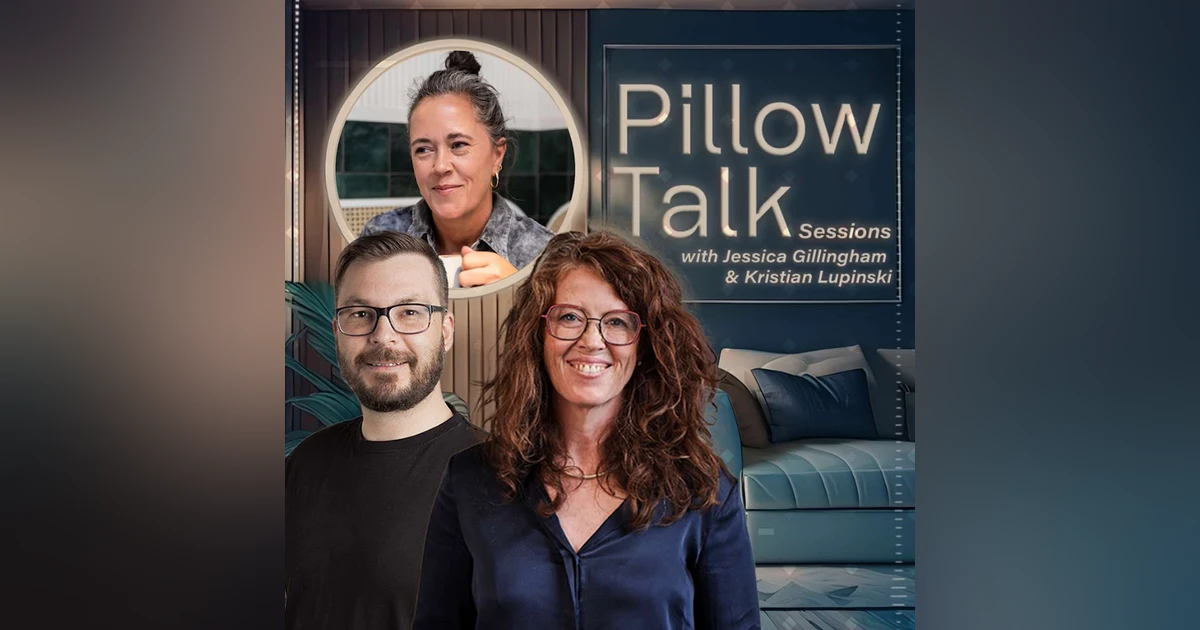
 Jessica Gillingham and Kristian Lupinski sit down with Philippa Wagner, founder of PeoplePlacesSpaces, to unpack the shifting landscape of hospitality and how it influences sectors like Build-to-Rent.
💡 Tune in to explore:
🔹 How guest expectations have evolved – prioritizing wellness, social engagement, and authentic connections.
🌍 The balance between global brand identity and local storytelling.
🏡 Hospitality principles inspiring multifamily living and intergenerational developments.
🔄 Emerging trends like co-working, sustainability, and the blending of hospitality with living spaces.
This episode is packed with insights on how to create guest-centric experiences that resonate in today’s world.
Meet the host of Pillow Talk Sessions
Jessica Gillingham is the Founder and CEO of Abode Worldwide, a strategic public relations agency dedicated to elevating the profile of transformative technology solutions in global hospitality, lodging, and rental living. An established industry thought leader, Jessica is a frequent conference speaker and author of Tech-Enabled Hospitality, a new book exploring the innovations shaping the sector.
Welcome to the Pillow Talk sessions. My name is Jessica Gillingham, and I am joined by my co-host, Christian Lupinski.
SPEAKER_00Thanks, Jessica. And today we're joined by Philippa Wagner, founder and experienced design strategist at People, Places, Spaces. Philippa specializes in redefining how we connect people with places, driving innovation and shaping exceptional guest experiences.
SPEAKER_01Absolutely. It's going to be a really interesting discussion. And with Philippa, we're going to talk about that shift of guest expectations and how you get that balance between being innovative but also maintaining a brand identity. Philippa, thank you for coming on the show. We're really pleased to have you and looking forward to this conversation because I know you've got very different kinds of takes and experiences. And I know for sure that in the prep call I was very interested in hearing about it. So thank you. But before we sort of kick in, would you like to give us an introduction to yourself and your background? We'd love to hear it.
SPEAKER_02Well, thank you for obviously for having me. So, yes, my name is Philippa Wagner, and I'm the founder of People, Places, Spaces, which is a creative strategy studio really focusing on the intersection of hospitality design and I guess human behaviour at the end of the day. Kind of born out of the closing of all the doors of all the hotels during the kind of the first lockdown of COVID. And yeah, just sort of bringing all the different elements of my career into one place, which was to, as the name suggests, look at people first, places and spaces, predominantly hospitality, a little bit around the edges of kind of workplace and retail, because of course those things are also interconnected, but very much just with that sort of people first mindset, but also how we can create those spaces and places for brands, investors, and developers sort of globally to create um brands and experiences that resonate with what people will want tomorrow.
SPEAKER_01Excellent. Thank you.
SPEAKER_00Yeah, absolutely. And I think, you know, looking at that background, we're gonna touch a little bit on each of those things. Uh, but to kick off today's conversation, I kind of want to start with the changing guests' expectations. You know, five years ago, everybody went in lockdown. You know, we kind of built our work from home studios and things like this. And hotels were that place to experience the luxuries we didn't have at home. Now we do. Um, and now how these expectations have changed, you know, from what you've seen, you know, what are today's guests looking for? And, you know, how are these hospitality brands adapting to meet these new demands?
SPEAKER_02Yeah, you're absolutely right. Hotels were that place where you'd go and have that incredibly large bed with the amazing bed sheets, with, you know, kind of like a very high count quality, and you'd, you know, it would be a sort of an escapism from your from your day-to-day. Whereas uh during lockdown, we were suddenly able to get the sort of Michelin-style food delivered to our home, and we all spent a lot of money on those nice bed sheets and those nice towels to make us feel a little bit more uh kind of connected with our everyday. And so, yeah, hotels and hospitality has really had to shift. Um, I guess pre-COVID and for the last sort of two or three years, we've still continued to hear a lot of people talk about hotels as community and certain brands calling themselves community brands, but community hotels, but I don't think it's really until now that the hotel industry is really recognising the role it has to play and the shift it's having within our kind of lives. Is it actually the place to kind of deliver social wellness, community, and connectivity? And actually, the industry has almost a responsibility to deliver on that because I can't sort of think of specific statistics off the top of my head, but through research I'm doing for some clients at the moment, you know, the stats are really high. People are saying they want to go to a hotel to connect, they see that if they're going to spend their time or their money with a brand, they want to feel like kind of a kinship with them, and so it really is about that much, much deeper connected value sharing that people are looking for from hospitality. And as a result, hotels could no longer trade on the big name above the door or can only you know trade on the oh, we've got the best loyalty program out there, because actually loyalty isn't really real when it comes to points and points on your card. Um, loyalty is is when it's like is a what happens when you really connect with a brand. Um, and so yeah, so guests are looking for brands that they would like to have a dinner party with, somebody that would sit at the table next to them, they can have a conversation with, that they share values, that they can they can chat with and and just feel uh that there is something deeper than just somewhere that you put your head for the night.
SPEAKER_01That's all such sort of interesting things, that kind of community being some and connection really, isn't it? It's it's connection. And on this podcast, one of the things that we really love to explore is how hospitality and hospitality principles, I guess, is is what we might call it, how that sort of is also now within other places that we stay. So whether that might be student accommodation or if we were in retirement age, retirement villages, or um the service department world, or or or even if we were sort of growing beyond the student to co-living. And I know that you also do some work in some of the kind of the build-to-rent living sectors. So, in terms of the way that the the resident expectations have changed over the last five years in particular, looking for that connection and or even like knowing that we've got that stuff at home, so we do need it in everywhere that we say stay, and sort of how expectations, you know, maybe even with students or whatever has changed. Like, where are you seeing those similarities across the other kinds of lodging verticals that you that you advise in?
SPEAKER_02I mean, absolutely, I think we're seeing it across all of them. It's interesting, isn't it? Because rewind maybe five plus years, and somebody said, Oh, what industry you work in, you say I work in hospitality, they'd automatically go, Oh, you work in hotels. But actually, as you've just listed out, uh, there is a huge bandwidth of what hospitality is. Now, of course, hotels and restaurants and bars would kind of fall into that, but the build-to-rent market, which is obviously huge student living, although I personally think students should live in an awful place to start with because you've got to start working up. That's a whole nother conversation. Um, but you know, it is. It's about um the expectations of hospitality at all levels. So another thing that kind of connects to the sort of the hospitality in the wider context is that the way that we live our lives is changing. So that we, you know, we're living in very uncertain times. We don't know what's going to happen, what's happening, you know, kind of from a climate point of view, from a political point of view. We're also in this time of a demographic flip where for the first time in 2024, uh we have more 65-year-olds and over than we do 15 and under, which means that we are not only living for longer, but we are kind of older as a kind of cohort. And as a result of all of these things mixing together, we are reaching kind of traditional markers of society in different ways. So people are getting married, if at all, at a later stage. They are perhaps not having children or having children later. Small things like getting their driving licenses are going up. So what's happening is people's uh discretionary spend is shifting. They're going, well, I don't actually know if I can ever afford the house to buy, even if I wanted to. So maybe I'll spend my money more on me living in the moment, that kind of YOLO attitude. And with that, kind of leans back into this. Well, if I'm a student, I don't want to live in an awful accommodation. I actually want to live quite nicely. So, or retirement is no longer about being old. Aging is about becoming, it's not about being kind of forgotten in society. So, actually, we're starting to see these amazing complexes which are opening up where you've got students living with retirees and then everybody in between. And it's flattening out our expectations. And so, as a result of that, we're seeing that shift in that wider hospitality universe that you sort of that you talked about, where it's like, if I'm going to spend my time, which is my life, at this point in time, I want to have amazing things, and therefore those cues are being drawn from what we would traditionally look to a hotel, an older kind of style hospitality industry, and have gone the nice bed sheets, the artwork on the walls, the the room service. We're actually pulling those things through and saying, Well, why can't we have them always? And I think that's really what it's sort of wrapped up in that that sense of, yeah, I'm I'm living for now, I might as well enjoy it while I can, and yeah, and and have all the benefits that come with that. And of course, hospitality by its very nature is about caring for other people, about making them feel as comfortable as you can.
SPEAKER_01So it's so interesting because it does shift the role of hotels, like you said earlier. It's like the it's not enough just to have the lovely Egyptian cotton sheets because we're kind of used to that. It's not so much the treat that we might have looked to a hotel stay before. It's sort of table stakes, maybe, in a way. So that the hotel is there to do more for us than just provide a bed and nice sheets and bathrobes. Is that what you mean? You know, or is that how you're sort of seeing things? It is much more than just providing that service.
SPEAKER_02100%. I mean, you know, hotels, all hotels sell sleep at the end of the day. Whether they sell good sleep or bad sleep is actually more often than not often dependent on you as a person, whether you're having a good night's sleep or not. It's not necessarily whether you've got the king-size bed and the kind of, you know, all the trappings that go with it. So it's about differentiating. And there's also a plethora of choice out there. Also, how we choose is, you know, choose where to stay is changing. Um, you know, it used to be that obviously you went to the traditional tour operators for travelling. Now we know it's obviously the all the OTAs and now shifting through to social media. Um, TikTok announced in informally this week, but it's coming that they're gonna have a director, you know, to purchase for travel with through their platform. And we know Instagram are making noises around the same thing. So it's like, how do you create something that is more than just somewhere to sleep? And and that's exactly why hotels are a lifestyle. And you've obviously the lifestyle hospitality category has been growing a lot um over the kind of the last 10 years, but it's it's more than that. Coupled with the decline of um kind of like organized uh collectives like going to the pub, uh, religion, those sorts of things, they've all been in a decline as well. So actually, the hotel is becoming this centralized location where you create connection and community um in a nice environment, in a space that talks to you, that is designed uh in style that you like, or the kind of guests that come there have a shared uh love for that. So therefore you've got a kind of kinship before you've even sort of started um the kind of like the journey staying with them. So yeah, it's so much more than than what it was, but at the same time, it still has to deliver those baselines really, really well. And then again, that's super interesting when you've got the likes of Z Well Hotels, for instance, which is all about you know stay staying there to disconnect, um, silent rooms, no windows. It the whole idea is you go there to sleep because during the daytime you've been out shopping in central London and you know you want the kind of calm to um some of the kind of the retreats that are happening where you go and stay at a retreat for you know two days or maybe a couple of weeks, and you learn craft and you get involved in knowledge and and and kind of bettering yourself. So it's kind of there's so many layers that you have to add to just being yeah, somewhere to stay when you're traveling.
SPEAKER_01I've just got to say something on that. I just spent three nights in a hotel in Saigon that had no windows. I'm never doing that again. That for me is a no-no, is no windows. I'm afraid I need my windows.
SPEAKER_02Yeah, it's it's very interesting. And um the the the MMNT project that I've been working on in Berlin, um, there we're testing out there three of the room types have no windows. Um, and that was done for uh a few reasons. One's because it enables that project, that kind of brand, to roll out into properties that were never designed to be hotels, so it can be a more sustainable brand, so it can go into old shopping centres or old offices, which obviously weren't designed with the window spaces. Um, but also it enables you to use a smaller space and to be more efficient in that room because having a window can be inefficient in terms of a guest leaves the window open but leaves the air conditioning running all day. Um but it's very interesting because when we were testing it, lots of guests didn't necessarily know when they first walked into the space that it was windowless. And it'd be sort of some people would walk in and they'd feel it before they'd even seen it, and they were absolutely no-no. And then other people would be like, Oh, I didn't actually realise until you know a few minutes in that there wasn't a window, but it's not my ideal choice. But actually, I'm okay with that. So again, it's super interesting, isn't it? But it's also knowing what that product is for. If I was staying in in a beautiful country at a you know a beach resort and there was no window, I mean that would be a hundred percent no-no. But if I'm working somewhere in an urban environment and I wanted to spend having an amazing night's sleep there, but I want to spend the rest of my time out and about, then the windowless room makes complete sense.
SPEAKER_00I think we should uh back up just a bit because I I I want to for our audience to know a little bit more about it. Maybe you can discuss MMNT or moment in Berlin, because as you guys uh as you mentioned, it was experimenting with innovative uh hospitality solutions. Maybe you can tell us a bit more about that project and you know what kind of things that you found by doing it?
SPEAKER_02Yeah, so um as the many people in the industry were sort of as we were kind of coming out of the the early early stages of lockdown, a lot of the hospitality industry were looking to the world and saying, well, what's happened? You know, will hotels still exist? Will people travel in the same way? What what next? Uh and TFE Hotels, um, who are an Australian um hotel developer and operator, um had their European team were looking to kind of understand what the next level of travel was going to be. And they came to me and said they've got a small space, a small retail space attached to next tour to one of their hotels in Berlin, and they wanted to set it up as a test lab to really, yeah, to test some of these hypotheses about smaller rooms, maybe more sustainable spaces, and the future traveller. Um, it was an amazing brief. You know, these briefs don't come along very often, and particularly after being uh locked down for a while, it was it was wonderful. And they gave me the opportunity to really develop and define what this would be. So we created um a essentially a kind of future view of travellers. We identified a mindset of future travellers, which we kind of called the kindred tab travellers, um, and unpacked the value expectations that they would have of travelling to certain in certain situations, which would be people who were leaning more into sort of what was being talked about a lot at that time, the digital nomads. Obviously, we we kind of widened that context, the uh the fast track of sustainability and how important that was going to be for travel, that people would still travel, of course they would, because people are curious and they would work would require them to, but actually the length of stay would travel, how they spent their time travelling would change. Um, and and also just trying to understand how we could be more efficient with real estate because we were watching what was happening with offices no longer being the office, people going and working from home, but also retail had been on a huge decline. So lots of what the Germans were calling white elephants, which is the kind of shopping centres uh on the crux of a kind of high street, being empty, and how we could utilise those. And so what was born was MMNT or Moment, which was all about uh sort of marrying up this idea of every traveller as having a moment in time. Wherever you are in the world, whatever hotel you're in, you're in a time zone doing your own thing. So in any hotel, there could be 50 people all in sort of similar rooms. One person be showering, somebody be sleeping, somebody working. They're all having their own separate moment, coupled with approaching the testing process in a different way for how we understand how people utilize the spaces. We didn't want to create a hotel and then do a post um a post-day survey. We wanted to create a way of testing in the moment feelings and experiences so you can really capture what works and doesn't work in a space. So ultimately, we created a six-bedroom, micro, fully functioning, working hotel that is like when you develop a real hotel, what you do is you come, you know, develop the hotel and then you create what's a mock-up or a model room, and it replicates exactly what the room's going to look like. But nobody sleeps in it. It doesn't actually work, it's great for taking pictures of, and maybe housekeeping can wander around it, but you don't really know whether you can tuck that uh sheet behind the bed comfortably and get housekeeping in and out quickly, or or whether somebody likes or dislikes the space. And so that's really what this was about. And we um we developed the what's what's called MMNT Moment Berlin Lab. So it's very much was set up as a lab. Um we've since discovered it's the world's first and only micro hotel working uh lab, which is fantastic. And over a sort of two and a half month period, we invited uh guests to come and stay. But what was really wonderful about it is we went back to those kindred travellers I mentioned before, the hypotheses of future travellers, and we found people who identified against the values that we created and invited them to come and stay. We did that by uh just teasing on social media, putting it out through Instagram and TikTok, uh, and sort of saying, if you're interested, does this resonate with you? Got people to answer a series of questions, depending on what they answered. We said, Yep, you're in or no, you're out, um, and then invited them to stay between one and three nights. And during that time, they gave us, in the moment, live feedback. So we used a digital platform called Recollective, where they were given a series of tasks. So, for instance, their first impressions task, we a bit like what you see on social media or on TikTok, they do like an unboxing of I went shopping today and this is what I bought. We wanted that same expression as you walk into the room. How did it make them feel? What were the first words that they said? Which was absolutely amazing because you don't get that. If you had send a post um, you know, pay step post-day survey, how did you sleep? Oh, that was about four days ago. I don't remember how I slept, or what did you like in the room? Oh, um, I like the pink cushion. You know, it's not the same as somebody walking and going, oh wow, this feels really spacious, or oh, it's much smaller than I expected. And then being able to unpack those kind of qualitative things. And then we got a series of tasks over the period of time that we gotten to do, and we were testing out different uh designs, different um experiences on property. So it's you know, absolutely fascinating. Learnt a huge amount of information, um, the good, the bad, and the ugly. Um, not so much ugly, but you know, lots of different things. Um, and that information and those insights are being collated and interrogated and are now being worked on as the kind of the blueprint for the rollout of moment as a global um hotel product.
SPEAKER_01It's so fascinating. And and one of the things I'm thinking of is tech companies or or hoteliers, when they're thinking about putting in new tech into their business, they'll often develop a sandbox where they can test it, you know, and it's all digital, it's not an actual sandbox and it's not in an actual hotel, but they really kind of do that sandbox experiment to see whether the tech will work together. And it's like that, isn't it? You're doing a real-life sandbox of the actual physical hotel with physical people, um, which is really interesting. And then, so what were some of the what were some of the insights that came out? Is it like, you know, 30% of people cannot stand windowless rooms, but there's 10% that we can, you know, that will be all right as long as the price is right and the actual room. And and so that's one of the things I wanted to say. And I the other thing I I did want to also reflect on is that recording the feelings. Now, for me, when the first thing that I do, and I'm sure I'm not alone in this, is I go into the bathroom and I go and have a look, what the bathroom, I'm a woman, I like a nice bathroom.
SPEAKER_00I look at the bathroom as well. You do see the place, you know.
SPEAKER_01Yeah, so go and sort of see, and and and you know, either it's a wow or it's a mm. So so so anyway, I wanted to sort of reflect on that. But um, what were the sort of the insights and and did they match what you and I guess because this is so new, you and the hotelier um TFE would not necessarily know what you were hoping to get from from the results of this lab. Um, so I just would love to know a little bit more about what you what you understood and and was it what you wanted to understand?
SPEAKER_02So there's a there's there's sort of lots of um points to this. I think the first thing was really interesting is when we asked them to walk around enter the room, they had to do it video with a video. So they were walking around. So when they went into the bathroom, and you're absolutely right, curiosity as a human nature, everybody did do that. What we got was exactly that, understanding the flow that people do. Um, so um some of our rooms have kitchenettes in as well, so they went straight to the cupboards and tried to open the cupboards, they were locked. I'll come back to explain that locking um bit in a minute. Um so we were able to capture uh visually what they were seeing and the language, the words that they were using. We also asked them to type in after that first task three words that they would use. Describe the room and their experience. This was really fascinating. In our original brief that came from all the work that we did at People Places Spaces and we put together for the interior architects, we had two interior architects working with us, ACME, who are our kind of lead architects, and BWM, who did sort of did one of the rooms with us. When we gave them the original briefs, we had words in there like calming, cozy, things like that. They weren't public words. They weren't words that we ever played out on our global social media presence or on our website, but they were the words our guests played back to us. Sanctuary, things like that. And that was fascinating because we'd made a really clear choice, and it was in the brief from us was we want to use the colour green because the scientists have told us that green is great for calming you for your cognitive ability. We said we wanted to only use plaster instead of paint in the rooms because plaster is natural, um, is a great for acoustics, it cleans the VOCs out of the air, it cleans, you know, kind of all the nasis out of the air, but it also creates a kind of a natural um vibration in the room that helps people sleep better. All the materials we chose were natural materials, or they were um recycled in a kind of reuse and reduce process. And the feeling that we thought we would get back from that was played back to us. So that was absolutely fascinating. What was also great within that was, you know, people have a love-hate for everything, you know, people have opinions and they're absolutely right. But this isn't about our opinion, this is about the collective telling us what we're where we're right and wrong, but equally us then going, yeah, but we stand by this because this is our brand pillars and our brand values. Um, what's important of this testing was to not say we're grabbing, you know, we're aggregating everything and we're gonna go with the masses of what people tell us, because then we'll never have something that stands for anything. Where the value really came in is when they absolutely played to us and retold us that we were right, but equally where we were wrong. And I think that's really important as well. We did build in mistakes on purpose. We did things like in the smallest room that's 11 meters squared, we put the biggest bed in there and the biggest vanity unit. Now, when we first said we wanted to do that, we got looked at weirdly by the operational team. They're like, why would you do that? It doesn't make any sense. And we're like, because you want to play with perception. Because just because it's the smallest room, it doesn't have to always mean cheap. Small can mean efficient, experiential, and beautiful at the same time. Um, and actually it is a windowless room, uh, but people didn't walk in there and feel always that it wasn't. And again, this is what's super interesting to your point about that statistic of percentages. Um, more often than not, people did or didn't notice whether there was a window. But where the real value came in was listening to someone's um video of themselves. So, for instance, if somebody said, Oh my god, there's no window, I don't like the idea of a window, and but then they would turn and say, however, I really like that. Oh, and that's really interesting. So, for instance, we've got this big lamp that we chose, which looks like a moon or a sun, and the idea was to mimic nature from outside without having a window. What we didn't want to do is have a screen on the wind on the window, which was showing mountains, because that's a lie. What we were doing is we're celebrating it's windowless, but we're still touching into some of those cues of human nature. And so somebody would be like, Oh, it's windowless. I wouldn't have chosen that, but oh, I've got the moon above my head, wow. And then you can start to take the the different levels of qualitative data that they're giving us. If we had asked them a question, would you sleep in a windowless room? We know the answer would be very high percentages of no. But actually, what we start to see is there's a bandwidth of when you can actually make it acceptable or not. And that was super interesting. Um, and then the other mistakes we made, I made that reference that point of um cupboards being locked. So we wanted to test some operational hypotheses, which we knew the guests would dislike, but from an operational perspective, and at the end of the day, it's an operator behind this, they were like, if we can do this, it'd be fantastic. So, in an apartment hotel or a suite where you've got a kitchen, when someone checks out, regardless of whether you've drunk anything out of any of the glasses or touched any of the knives and forks, it all has to be washed for hygiene reasons, which takes time and money. And also, if you wash everything every time, it wears its useful life down. So we our hypothesis was well, if we lock that cupboard, lock it away, but give guests the access to it if they want to use it. When housekeeping comes in, if it's still locked, it hasn't been touched, they don't need to clean it. And if it's being opened, we'll make the assumption it's been used. Brilliant idea, works beautifully operationally. And the the way it worked with the guests, they have an app and they were just they can just see the um the cupboard they want, the thing they want, so it's like, okay, I want my crockery. So they'd slide the the button with a crockery, the door would open, they get access to it. But as you've pointed out, the first thing you want to do when you walk into a room is open everything and have a look. So that was really interesting, and so we have to make decisions now, and I'm not allowed to tell you what decision we've made, um, but you know, decisions as to do we, you know, do we lean into operational and say, oh, actually, if you educate your customers in advance, if you stay at a moment, this will happen. Therefore, you can't look, but if you go onto our social media, you can always have a look at videos of people using it. Or you go, no, the guests didn't like it, and they'll take a hit operationally, but we, you know, so that's really what is super interesting to help the business weigh up where it puts its sort of stake in the ground and the reasons why.
SPEAKER_01One of the things here also is it's that weighing up what's guest experience and what's operationally important. So it's figuring out that balance there because it and rather than making assumptions as well.
SPEAKER_02Yeah, and again, at the end of the day, going back to what we were talking about before, you know, guest experience is what differentiates. You know, there's so many brands out there, there are some amazing brands, and there's some really awful brands, and there's everything in between. But what I say is awful is somebody else is brilliant, and so you know that's the beauty of it. Um, there are certain kind of brands that may not really excite you, but if they do what you want, which is having a great night's sleep with great blackout curtains and right next to the airport, you tick a box. But you wouldn't would choose to go and stay in that hotel if you wanted the best breakfast in bed of another occasion. So, what the brand experience is has to resonate with why you're there and what you're looking for, and that's really what we do at People, Places, Spaces. It's all about the brand experience. We develop our brand DNA kind of um approach is all about building brand experience pillars. There's the brand pillars that sit internally and externally, but there's those brand experience, it's those guest journeys that the emotionally and physically will happen. Because those are the those touch points of wow, or oh. Um, and again, it's to to to that point of making a decision. If I educate my guests in a really interesting, exciting way about something that might not be such a great guest experience, but I've given them the reasons why, because operationally it's better, therefore I can charge you less for your room, or which is a very functional experience principle, or actually, if by locking our cupboards we are more sustainable, joined together, we can charge you less, we're more sustainable. Oh, and by the way, you get this, you know, is a kind of unique approach, then suddenly your guest experience becomes a positive because you've repositioned it. And it also allows TFE and and the kind of the wider business to break assumptions because that was the other thing that's really fascinating when I first started on this project. TFE kept me away from everybody internally, within, you know, I had a kind of small team of people that I work with, but mostly uh they were like, don't get involved with our ops team, don't get involved with our, you know, kind of you know, other teams, because they will tell you this is how they do it and this is why it works. So we were able to come in and say, Look, we're gonna try and break convention, because it's very easy to get a sort of stuck into that rhythm of it works, so why change it? Um, and by breaking things, which to your point about that's how the technology industry works, but when you're working with bricks and mortar, it's very difficult to take a risk on a 150-key hotel. You can't suddenly go, let's just try this out. If we'd gone to any business and said we want to build 150 rooms, we want to make more 11 metres squared on windowless and put the widest bed in there and the biggest vanity, they'd be like, don't be ridiculous. Now we could come back and say, okay, well, maybe we make 60% of our rooms like that, because we know this makes sense. But as long as you've got this as your room type around it, then you can create a you know a kind of balanced product. So it's it's it's very rich in that sense as well, and that's really where the values come for TFE, not just for the rollout of moment, which is great in itself. It was never supposed to be a brand. It was never supposed to be a product they were going to roll out, it was supposed to be a test lab, but because it's been so well received and um, you know, some great learnings, it's going to be their it is their next product, but also the learnings are leading into other products in their portfolio too.
SPEAKER_00Yeah, super, super interesting. And for any of our listeners, I recommend going over to YouTube and typing in MMNT Berlin. There's some videos up there, uh really interesting and how it was put together, the kind of background on it. So I recommend our listeners check that out. Now you mentioned brand, and I want to talk a bit about brand DNA as you were kind of alluding to it uh a bit. You know, how important is it maintaining uh distinct brand DNA and hospitality? But you know, as technology changes and guests' expections change, you know, how do they balance this innovation and tradition? And, you know, how do they ensure that these new concepts kind of remain true to the the brand's identity?
SPEAKER_02I mean, it's hugely important, as I said before, you know, there's so many brands out there, and you know, we're sort of oversaturated. Um it's about try sort of keeping true to yourself as well because we've got this such homogeny, you know, the the kind of the world of Instagram, you can everything looks the same. Um, and it is about staying true to your brand DNA. And I think this is an interesting tension that and debate I've been having with people around the lab and the kind of the mindset of well, you're opening up and asking people to tell you what it should be. We are not asking them to tell us what it should be, we're just using it as a validation tool, I guess, to help us right and wrong. Because if you don't have a brand DNA that you you believe in that you feel is unique, then you just become meh like everything else. Um, so it is hugely, hugely important. But it's also about understanding who you want to talk to and who you don't care about talking to. Because often, a lot of the time, brands will want to talk to everybody because at the end of the day, bums on seats or you know, heads on pillows is is is money. But the minute you do that, if you talk to everybody, you're talking to nobody because you don't know who you're cutting through. And the brands that succeed are those who almost they don't care. They go, fine, if you're not interested, don't, don't, don't worry, I'll talk to somebody else. Um, and and that's where the value comes in. So, yeah, having that brand DNA, but it's also about making sure it evolves and not stagnating, because that's the other thing. Brands who are very successful in that they stagnate, they sit on, sit back and go, oh, well, we've done it, haven't we? And everybody's going to keep coming to us. And it's shifting that mindset of if we build it, they will come because they won't come. It's if they hear you, they will come. But if they, if in order for them to hear you, you need to be talking the same language, which comes back to those value expectations. So it's about, and that's what we do, you know, when we work with clients, is is we define that that brand DNA, and then we create those experience principles that run around the outside of it because those are the things that people hear and see and feel, and then it enables you to kind of evolve over time and make sure that you're moving forward, but always one step ahead of your customers because otherwise you end up just yeah, again, stagnating.
SPEAKER_01One of the things that always kind of um interests me, I guess, or or I've got curiosity about is how brands you know are able to offer an experience to an individual through their brand DNA, but also through the experience that they're delivering, a very customized experience. How do they marry that up with the fact that they do need to be standardized in many ways? Like, you know, whether it is on the practicalities like housekeeping and making sure that the cupboards have the exact things that they're supposed to have in them. So so so that's one thing is how do you marry up customising, putting customer first, personalized experiences, having a brand that really speaks to an individual, to the fact that it does, it does need to be standardized. The other question is is that I know that people are looking for localized experiences and they're wanting to feel that they're part of something local. So when I go to Prague, I want to feel like I'm in Prague. I don't want to feel like I'm in a hotel that could be in London or could be in Rome or or wherever. So but a lot of brands are global, you know, and and and so so how or they they'll want to scale, you know, they don't want to just be a hotel in Prague or a lab in Berlin. So those two things, how do you see they kind of marry up?
SPEAKER_02Yeah, I mean it's a very good question. It's like, you know, personalisation is is is something that everyone's talking about. How do we personalize? And AI is going to help us personalise, la, but that's not business, you know, that's you know, high-end luxury, yes, maybe you can get away with that, but as you sort of start to come down, but actually, personalisation doesn't have to be about me as an individual. Personalisation, if you take it up almost a kind of level, is by already resonating with that community of people who've heard me because of the brand DNA, already we've kind of cut through some of the things that I don't need, which means we're getting closer into it, feeling more personally tailored to my values and my expectations. And therefore, by its very nature, I've chosen to stay with that brand, with brand A over brand B, because that's kind of they they lean into the value. So you're already starting to get there, which then allows you to uh to be more standardized. Because if you try and deliver the pillows that every single customer wants, you know, and there was a whole plethora, wasn't there, of hotels who did that. We've got these amazing pillow menus. It it's just not possible because everybody, and also on a Monday, I might be wanting a soft pillow, but on Thursday, I'm still the same person, but I might want a hard pillow because I pulled my back or something. So it, you know, you the the layers you get to are just too much. So anybody who starts to say it's all about personalisation, no. Where personalisation does come in will be where tech does help step in, which is knowing that I've stayed there before and knowing that, you know, and the data it's got on that I always like to stay on floor two because it's got a better view, of course, we can support those sorts of things. And I've been working with um actually with TFE, one of their uh their main brand, it's sort of 60% of their revenue, their business is ADINA, which is a global brand. Um, and they uh I've been working with them repositioning their brand over the last year or so, which you'll start to see being rolled out, 2025. Um, and one of those points was exactly your point about local versus neighbourhood. So they're an ost they are the the only international Australian hospitality brand. Uh, in Australia, they're known to be Australian. Over here, everyone in Europe, everyone thinks they're German because they're most of their products in Germany. So we've been working very hard with them to understand what does that mean to bring Australian NUS, is what we've been talking about it, into the kind of European market without hitting people over the head with what traditionally they've done, which is kangaroos and vegemite and things like that. But also, how do you at the same time not just bring Australia and shove it into Europe, but also go, well, we're in Munich, we're in Berlin, we're in London, wherever those destinations are. So, how do you recognise that as well? And so it is about neighbourhood and localization. Um, another client I've been working with who are opening a hotel in Woodwharf, um, Virtus Edit, we actually started talking to them about boroughness, because they are about being in a borough. So even getting down another layer because they're London, it's Canary Wharf, but it's the new area of Canary Wharf, but actually it's part of Tower Hamlet. So, what does that mean? So, and it comes down to so many different levels of you know, making sure you support the local communities around you. If you you if you have art on your walls, make sure it's local artists, if you've got local suppliers, support them. Um, it's about telling those stories. Uh, and sort of a nice um anecdote, actually, for one of the hotels in uh one of the Adena hotels in a kind of um an area called Wiesbaden, just outside of Frankfurt. Um, we were trying to find a story to tell about them. Um and we discover that there's this apple cider that's quite famous from the area, and they come, it was always drunk with these sort of traditional jugs that were uh kind of over time have kind of got lost. So, what we've done is we've bought some of those jugs in and put them into the to the foyer lobby area with a little sign saying, want to know a little bit about the area. We've created a welcome guide. So when you enter the room, we tell you the story about the location, not what you can find on Google, um, but storytelling of things that only the people who live in the area know. Um, it's also about recommendations of food and drink in the area. Again, not what you can find on the general, but it's like our teams, this is where they love to go, um, you know, for a quick bite to it. It's just it's those subtleties of locals versus global. But it what it does mean that you can still have the standardized of the towels that you know go everywhere, the sheets that go everywhere, the interior design, but you just sort of pepper in a little bit of new, new, new location and new storytelling.
SPEAKER_01Yeah, I just firstly, we've had Freya who heads up operations for Virtus on the show. So there's a very good podcast from where anyone listening to this wants to hear back where she talks about Virtus and Virtus Edit. But what I was thinking about, what came to mind is you know, Waterstones, and for our American listeners, it's a it's a chain bookshop that we have in the UK. And you go in and you, you know, a Waterstones wherever you are, whether you're in Glasgow, Bath, London, Brighton, is the same experience. But what's different is all the staffs say these are the books we're reading this week, this is what we're recommending. So they have whole sections that are on these are our favourite gothic novels, these are our favourite travel books, this is where we're traveling, this is what we're reading. So I guess it's a bit like that, isn't it? It's kind of that standard, here's a brand, but but we can we can localize it where we are locally in a standardized way as well, in in a funny way.
SPEAKER_02Exactly, and I think something that's really key as well is lots of hotels jumped on the bandwagon of what the hoxton were doing originally, which was you know creating a community in a community hotel. Now I'm ex Ennis Moore, who um owned the Hoxton and worked very closely with them. Um and what's really interesting is when you go to a hotel and there's the community events that happen, mostly it's locals who come to these events, it's not the guests. So when guests come and stay with you, they're not looking to be embedded into a local community. But what they do want to do is feel like they've actually visited the location. They don't want that, as you say, that homogeny, but they also at the same time do want that standardization because if you're going to a foreign country, you're spending some money, you want to know that you feel safe, like I know it's going to have X, Y, and Z quality. Um, and so it's not about thrusting people into the community and saying, right, you need to go and talk to you know him round the corner because he lives here and he's gonna, you know, show you the locality. It's it's more about I want to feel like when someone says, How was that borough that you stayed in, you can talk about it versus just that, yeah, that kind of like I could be anywhere in the world right now because that doesn't satisfy. And and the more we we see that travelers are having to make hard choices about traveling. If I do travel, I am going to have a global impact. Therefore, if I travel, I'm gonna travel for longer. We've seen this happening, and it is changing the kind of the landscape. Equally, if you're staying for longer, then you want to be embedded in that locale a little bit more. So yeah, I think we're gonna continue to see the importance of neighborhood, boroughness, all of those things coming. But it's it's not a tokenistic thing, it has to feel authentic, um, brand by brand, team by team.
SPEAKER_00Well, it's really interesting. And I think um we have time for like one more question. Um, and I think this will kind of close out today's conversation quite nicely. During our discovery call, you mentioned that hospitality is like the fashion industry um in terms of trends and adaptability. You know, how can operators or owners stay ahead of these trends? And you know, what lessons can other living sectors learn from this approach?
SPEAKER_02Yeah, I think there's sort of two sides to why, sort of when I made that reference to the fashion industry, it was exactly as you said, but it's also that hospitality's almost become the darling industry that fashion was sort of back here, you know, back sort of 20 years ago. Um it's because people have shifted to experiences, you know, the experience economy's been going on for a long time, and the hospitality industry uh has facilitated that and it's going to continue, and uh, and we are going to continue to see this spend on, you know, you only live once kind of mindset and actually wanting to have an amazing time, as we sort of touched on at the beginning of this conversation. Um, the hospitality industry does need to be more mindful of trends. It's it's super interesting because it's a slow industry. In so many ways, because it's bricks and mortar, you know, and from the concept of a oh, I've got this new brilliant idea to build a hotel and this is the brand and this is the experience to opening the doors can be anywhere from you know absolute fastest, be 18 months, if you're taking an existing hotel and flipping it, um, all the way to sort of 10, 15, 20 years, if you're going to take something on that kind of journey because it's the build and everything else that kind of goes around it. So, as an industry historically, it's sort of stayed away from what would be seen as trends because trends have always been seen as fast and fashionable. But that's trending versus trends. Trends at the end of the day, and it's almost a word that I hate using, but I worked in the trend forecasting industry, so it's kind of part of my who I am. But trends are just manifestations of cultural shifts, of what's happening and what we as people are looking for. And so the hospitality industry, because it's about caring for people and being around people, is the is the front of the the front line really of culture and is increasingly kind of becoming that way. And that's why we're seeing the industry starting to embrace the kind of long-range trends. At the same time, the industry is very much pushing back, and they should push back on not packing up on fast trends because what happens in a lot of hotels is they'll have um their FFE cycle, which is their fixtures and fittings. Um, and some of them can be on three months, sorry, three three-year cycles, some of them can be on 10-year cycles. We want them to get to longer cycles because every time you refurnish furbish a room, you're throwing all that stuff out and it could be perfectly good. But because the trend has moved, the colour has moved, the texture has moved, you don't want the industry to become too trendy. What you want is it to be this cultural shift of how you change the experience, not necessarily the bricks and mortar and the interior design. It's those services that you deliver, it's some of the technology shifts. Because at the end of the day, regardless of how AI is, you know, permeating everything, we still need to sleep, we still need to eat, we still need to connect with people, we still need to feel things. So hotels will continue to take that element of it and those kind of values and and keep moving the industry forward through that, I guess.
SPEAKER_00Do you see like uh, you know, co-co-working spaces? This is one of the uh more recent ones. Do you see that as you know something that's gonna become like a long-lasting standard? Because I know you have experience uh on working with co-working spaces uh with Huxton. So maybe you can tell us just a little bit about that trend. And do you think that that's gonna stick around based on uh our current lifestyles?
SPEAKER_02Yeah, I mean, working from, which was the co-working product that we developed for the Hoxton, we were developing that before COVID, and one of the strap lines we came up with at the time was it's like working from home but without the distractions of your cat. Now, this was before we all started working from home and were distracted by the cat, the washing machine, your husband, you know, all the things that happened. Um, and that was because we were tracking it from a cultural perspective. We were seeing that this was already happening. We were seeing that people were going, well, actually, I can because of technology, because of the way the world was changing, I can work from somewhere that is not my office. Oh, and by the way, I can be travelling here and I can do this. So, yes, absolutely, this is going to continue. We are seeing a pushback of back back into the off back into the office. Um, um, and the offices that are coming back are no longer just about desk after desk. They are offering hospitality, they are offering hairdressers on site, they're offering restaurants, they're offering childcare, doggy care, they're offering the things that you would traditionally go to hospitality for. So the blurring of the edges. So it's no trend. Well, okay, I'm gonna say that's not the case. A trend can start and stop, but cultural shifts are always an evolution of an evolution. So all we're gonna do is start to see those subtle changes coming. Some people are moving faster, some people are moving slower. Um, so like with everything, in 10 fast forward sort of 10 years' time, there won't be a differentiator between staying in a hotel and going and working because we're gonna be working 24 hours, we're going to be, you know, um wanting to have a space that facilitates us outside of our home. But more importantly, a lot of those places will be our homes. Going back to exactly what we talked about at the beginning, Jessica. You know, you talked about student housing and retirement spaces. And I think a really nice example, and I can't remember the name of it, I'm afraid, but there's a cafe in Washington, DC, which is on the street, public facing, which is just like a great-styled coffee shop, but actually it is the coffee shop for a retirement home. Um, and they're actually creating that sort of crossover between one world and another, which would have years ago seemed completely separate. But at the end of the day, people want coffee, they want community and connectivity, and that's a really great example of where those walls no longer exist.
SPEAKER_01So, where I live, which is Bath, we actually have a brand new kind of retirement home with a coffee shop within it now. And it's and and you know, there are people going in there, but it's in that building. Um, so it's really interesting, isn't it?
SPEAKER_02And you know, if you somebody had told you that five years ago that that you yeah, that that would be the case, you would be like, but why? But it's because culture, you know, as people we need certain things, and those human needs to connect, belong, to play, to you know, all those things, they don't change, they exist. What changes is our responses to what's going on in the world around us, and as a reaction to that, brands and services create something that delivers against it, and ultimately that's what we do as a business. We track those, identify those, and help signpost those for our clients.
SPEAKER_01Yeah, brilliant, Philippa. I I would love to speak more with you, particularly on the kind of the other lodging sectors and and what you've learned about those. And so maybe we have to have this conversation another time. But I think we're kind of time to wrap up this conversation. But what I'd love to hear is anything coming up for you, and how can people get in touch with you if they want to find out more?
SPEAKER_02Um, what's coming up for me? Lots of interesting projects for 2025, which is super exciting. Um, how they can get in touch with me, I mean, um, is people, places, spaces. Um, check us out on our website. Um, you can obviously DM me through Instagram um as well, um, or you know, just kind of use the old-fashioned way, find my phone number and give me a ring. Um, in terms of um events and things, so the festival of hospitality is kicking off, um, and I'll be um doing some things with the festival of hospitality. Um, I'm also over in Milan in um in May at a uh co-working meets hospitality conference where I'll be talking further about some of this sort of things that we've been talking about and and just generally hopefully popping up, you know, kind of here, there and everywhere. And and from a from MMNT and Moments perspective, um again, we're about to go into testing a phase two with that. Um, but again, I think, you know, if you want to understand a little bit more about how we work, it's almost like that lab is a physical manifestation of our approach. So you can go ahead and book uh book a stay in a windowless room, or they have rooms with windows too.
SPEAKER_01I might do that, absolutely. So, Philippa, thank you so much.
SPEAKER_02Pleasure, thank you very much. Love you to chat with you both.
SPEAKER_00And that wraps it up for us today. So, thank you guys so much for joining us on this episode of Pillow Talk Sessions. To stay connected and catch every new episode, do us a favor and head over to Pillotalksessions.com to subscribe. And be sure to follow us on LinkedIn for more insights and interviews with leaders who are shaping the future of hospitality, multifamily living, and community driven spaces. Thanks again for tuning in, and we'll see you next time on Pillow Talk Sessions.


