Community & Data in Modern Living with Robert Birch (Gravity Co)


 RSS Feed
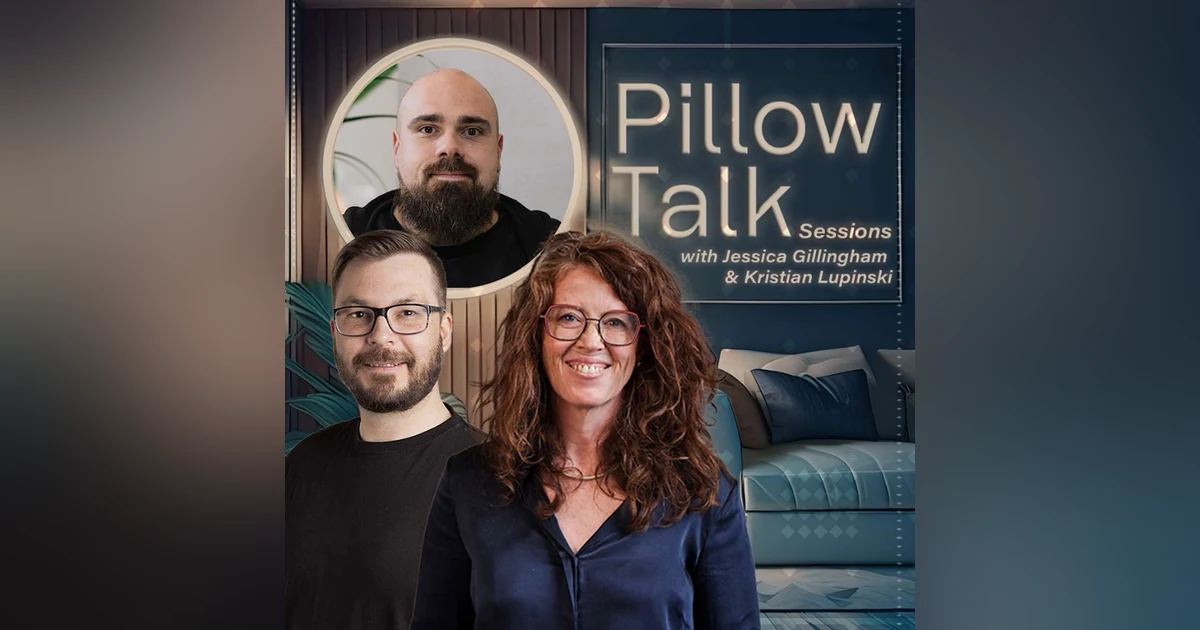
In this episode of Pillow Talk Sessions, Kristian and Jessica chat with Robert Birch, Head of Operations at Gravity Co, about creating meaningful living experiences across co-living, BTR, and hospitality.
Tune in for insights on:
💬 Why community is central to modern rental expectations
🔎 How Gravity leverages data to detect and solve issues early
🌐 The innovative membership model that connects residents globally
🏗️ Gravity’s strategy to revitalize underperforming assets and integrate sustainability
Meet the host of Pillow Talk Sessions
Jessica Gillingham is the Founder and CEO of Abode Worldwide, a strategic public relations agency dedicated to elevating the profile of transformative technology solutions in global hospitality, lodging, and rental living. An established industry thought leader, Jessica is a frequent conference speaker and author of Tech-Enabled Hospitality, a new book exploring the innovations shaping the sector.
Welcome back to Bill Talk Telections. I'm Christian Lepinski, joined as always by my co-host Jessica Gillian.
SPEAKER_01Hi, it's Christian, and today we're joined by Robert Fellett, who is the head of operations at Gravity Hello. We're gonna explore with Rob about community-driven rental living, what they're doing at gravity about this, and then also how operators can create that meaningful resident experiences.
SPEAKER_00We'll also discuss how insights from the co-living sector can shape the future of rental housing, the role of data in improving resident happiness, and how operators can build strong reputations that go beyond reviews. Plus, we'll look at emerging trends redefining modern living.
SPEAKER_01Rob, welcome to the Pillow Talk Sessions podcast. We're really excited to have you as a guest. And before we kind of get into the nuts and bolts of our conversation, could you just for our audience introduce yourself and then also Gravity Co-Living as well? And I know you're gonna do it in that beautiful accent as well.
SPEAKER_02Thank you. Um so so yeah, I'm I'm Rob. I currently work for Gravity Co-Living, uh, been there since since day one, so for seven years now. We are a uh originally uh just a co-living operator, uh, but we are now expanding into BTR uh hospitality as well, uh, expanding into every area of kind of community focused, uh, focused living and and rental. Uh we are we are currently based in in London, uh, but we are now expanding also into into Spain, into Madrid, and and other areas into in Europe as well. Uh my background before gravity has been in the hospitality market, uh specifically within hostels. And I was based mainly in Spain, but also in in Prague, Budapest, and and London, and and now I'm back here in the in the UK.
SPEAKER_01In in lovely South Wales as well, I think is where where you actually are. Yes. But I I I just have to say before Christian asked the first question, you're kind of like the perfect guest for us because we're really, you know, we're really looking at how hospitality meets modern rental living, and and the fact that you're kind of expanding from PBSA to BTR to hospitality, you know, flex rental is is really interesting. And also the different markets as well, the different European markets.
SPEAKER_02Yeah, I I think it's uh like for for me that's was like the natural progression as well. Um, you know, where when I was actually working in in hostels, you know, I I loved it and we we were doing very well there as well. But what I found was people were unhappy or or or kind of um disappointed that they had to go back to to normal life and not have that kind of community experience that they were having whilst whilst traveling and and whilst staying at at our locations. And that's where I started thinking, you know, why can't we create a you know kind of community focused, experience-led uh option for everyday living? And and that's where my interest came into the kind of rental sector and and how we can really kind of uh jump between between both the hospitality and the traditional rental sector and and make something quite quite unique.
SPEAKER_00And I think that's you know, it's a it's a good uh introduction to you know our topics today because uh again, that that background and to where you're at now, um, you know, the first topic that we want to focus on is you know, from these hostels to this community-centric rentals that you're involved in. You know, how how has your experience in this hostel sector informed your philosophy on building thriving communities and rental living? You know, are there any principles from that world that you think that the broader residential market needs to embrace to stay relevant today?
SPEAKER_02Yeah, well, um I think from from my background, what's what's really taught me is is quite kind of fundamentally, you know, people don't just stay for for the bed, you know, they stay for the experience. And that lesson has has kind of shaped my entire perspective on on the rental sector and the rental living uh sector. You know, whether it's it's hostels, co-living, btr, pbsa, you know, the principle remains the same. People people want connection, uh, experience and and opportunities, not just a place to to rest and eat. You know, they they um the more I work in this sector, the more I I really believe that you know people are are not renting just a home, they're they're renting a lifestyle or or the opportunity to to have a certain lifestyle. Um you know, if you think if you think about it, you know, the the way um the way we way we choose to live, it's it's more than just you know the location price and amenities. Granted, all these do play a massive role in in our decision, but you know, the the the key consideration now is is what kind of lifestyle and what type of life I can build for myself living in this community or in this development and in this in this neighbourhood. And I think that's that's one of the main kind of key points I've I've transferred from from the hostel and hospitality background into into the rental sector.
SPEAKER_01So, what kind of practical things do you do at gravity to give that sense of community and and that that more experiential way of living? And and even if you don't do it now, like what's the plan? You know, what what kinds of things can operators do to really bring that in? Because it is interesting. Hostels is is is another part of hospitality, but way more community-driven than a hotel. When we're at a hotel, we don't know our get the other guests, we have, I mean, pretty much no interest in getting to know them, but with hostels, it's all about that, isn't it?
SPEAKER_02Yeah, and you know, I I think the idea to start with of what hostels are have changed massively. You know, before it was just cheap accommodation, um, but now it it's about meeting people and and and you know taking that next level of of kind of experience from a local experience as well. And I think that's something that what we're doing at gravity is giving people the the opportunity to experience more than just uh a traditional rental accommodation. You know, we're we're kind of facilitators now of of that experience, you know. We we help create connections with with not just people within the property, but also with the the wider neighbourhood and and and the wider city, and and both from a professional and social perspective as well. So this is where we try and take it to the next level. We we we want to act as a catalyst for opportunity, and that's by having kind of a core uh set of community values from um well-being, you know, professional growth, but also meaningful engagement, and I think that's something that can often be missing in in today's life as well, with with urban isolation and everything that happened after COVID has has really made people struggle to to find that connection sometimes. So that's what we try and do by taking it to that next level.
SPEAKER_01And is the motivation for that more more uh sort of um consideration, awareness, consideration, bringing new residents, tenants, guests in, or is it more about retention, keeping the ones that you have?
SPEAKER_02Well, I I think personally it it came from what we generally believed was the right thing to do. You know, we we want to make obviously we have a business, and and at the end of the day, it's it's it's about you know being successful as a business, but let's do it by also making a positive impact as well to to not just our residents within our four walls, but but also to to the wider neighborhoods that we that we're located. Um so yes, it helps retention and and yes, it it does help the bottom line as well, but I think what we really wanted to create was we saw ourselves as more than just a rental uh platform, so to speak. You know, we we saw ourselves as a lifestyle brand, and that's where that's what people pay for when they come to gravity, and and that's what we want them to pay for when they come to gravity is you know, the bed comes for free, so to speak. It's it's the opportunities that that come with gravity that that is the the powerful part of our brand.
SPEAKER_00I like that. You know, the the bed comes for free. It's it's you know that that lifestyle that you're offering. In in on that, I I do have a question about that. Now, do you see this kind of demand for community-focused rental living is more generational, or is it you know a shift? You know, uh you mentioned COVID and things like this, and the way people want to live now and the lifestyles are happening. So, do you differentiate between those two, or is it you know a combination of all?
SPEAKER_02I think community-led living uh has always been the it's it's it's human nature, you know. From my background in in Wales, where my family are from, it's the mining communities. Uh, you know, my my hobbies and and sport, you have sporting communities. We've always been attractive, attracted to communities, and we've always been very uh we always feel more comfortable with people than than on our own for the majority. So I don't think it's a new thing. I think it's more that I guess with the kind of Amazon effect as well now, and I I don't know if that's even a term, but with with Amazon, everything is now faster, easier, you know, on demand, so to speak. I think the the generations like millennials, myself, and and and and onwards, we now want things easier. So before we we may have gone searching for it, you know, like previous generations, now we we like the idea of being able to get it all under under one roof, um, or all within easy access. So I I think that's really the the kind of change there is you know everyone's busy with life, um, time is is is hard to come about, and with this type of living and rental opportunities, we we have the ability to save people time, uh, provide much more in in in one kind of payment, so to speak. So I think that's where where the change has has really come from. It's it's the convenience and the the kind of frictionless uh opportunities that that come with this model.
SPEAKER_01It's really interesting, you know, the societal shifts, cultural shifts, and how businesses, service providers adapt to that, but also what what's intrinsically always going to be in the fabric of humanness as well. And I guess today, you know, a lot of our communities are online, which they wouldn't have been, you know, 10 years ago and longer, but still needing that physical as well. Like online is great for what it is, and it's all housed in one place, it's on a phone, but actually being being in physical spaces physically with people is so important. And I just wonder whether do you use technology to create any of this community? And if you do, do you you like do you use data to sort of understand who your residents are and how you can really adapt to that to those needs that they might have, not just community, but but other ones as well.
SPEAKER_02Yeah, I I guess you know, at gravity we we see the use of data as kind of key to understanding and uh being like the first step in improving the the kind of living experience for for our tenants for and for our members. You know, we we aim to try and gather insights at every stage of the the kind of renters' journey, you know, from onboarding all the way through then to operations, community management, and and until they they leave the property as well. Um and our goal is now to try and centralize this information with the kind of overall objective to understand how collectively this these data points uh kind of work together to hopefully make smarter decisions, you know, like for example, hopefully improving operational efficiency, uh, improving the the service level, um, improving how we use our resources to manage that in a in a more efficient way. And and as mentioned, the overall improved experience for for both our members, but but also how that can impact our staff as well, improving, improving the the day-to-day for them. Um and I I think it's important that you know we we shouldn't look at data points individually. Um as said, you know, we we need to look at it as a bigger picture and and seeing how positively and and negatively they can correlate with with each other because um because yet the rental experience is is all connected really. Uh some examples then of how data points can be can be used together to to see uh see any sort of kind of correlation could be how maintenance issues or um maintenance kind of response times impact um impact kind of member attendance to to events and activities uh or retention rates. Um another one is how a member's length of stay uh or lifestyle can impact the additional services that they may engage with. So kind of looking at those two examples, we're getting data sets from you know facility management and how how that impacts uh community management or how that impacts sales sales and the kind of bottom line, uh, as well as then you know how a uh demographic, so to speak, so length of stay, age, etc. How how that can and you're gathering that at the the early onboarding stage, but how that impacts then throughout the rest of this day in regards to the the service offering that that we can really provide. So, you know, looking at data in this way, you know, we can really elevate then the the member experience, you know, create tailored experiences for them, um, as well as being able to catch early warning signs of of negative experiences, and on the opposite side, hopefully see early early signs of of kind of positive outcomes so we know what to you know continue working on or areas where we need to improve as well. Um, you know, data can still be used and should still be used kind of independently as well to understand more kind of basic results um and and use for kind of simple KPIs. So, you know, looking at retention rates just purely for retention rate purposes or or seeing the clean cleaning service uptake, uh, for example, but to um but that's just looking at the results to understand the cause and the the reason behind these results, it's it's often more effective to look at the the kind of bigger picture, um and and the cross-department data analysis there, I think is is kind of crucial. And uh I said you know collecting the data is is only the beginning. It's it's how um we bring it all together, uh, is is the crucial element in my opinion. Um and I guess finally on on this kind of topic, it I think it's crucial that we communicate with our staff and also our tenants the reasons why we are collecting this data. You know, we're not we're not collecting data for data sake, it's it's kind of collecting to understand you know what we're doing well, uh, along with areas we can improve so you know we can work proactively to enhance the the living experience and and to elevate that the gravity offering.
SPEAKER_01I guess that's like m mitigating risk of bad reviews, is it, or or unhappy, unhappy members, tenants?
SPEAKER_02Yeah, yeah, I think you know, as I said, like with an with experience, it's and and with the whole operation, you know, there's there's multiple factors that that play into the overall um customer satisfaction, and sometimes when we may drop the ball on facility management because of a maintenance issue that's that's out of our control. Um, for example, fairly recently we had the issue of the power outage in uh in Heathrow. Um we we have a property that's that's close to that area that also got impacted, uh, and that had obviously a negative impact on a lot of tenants very quickly, um, which was out of our control. But what we then looked at is go, okay, these have had a negative experience. What can we what can we do from different departments, for example, from a community perspective, and how can we elevate that experience to to try and level the overall satisfaction out. Um, a lot a lot of the times, you know, where we are still learning and and negative reviews and positive reviews shouldn't just be looked at as a a marketing tool, but should be looked at as an opportunity to to learn and and use them as kind of KPIs for the the overall company as well.
SPEAKER_01I was just gonna sort of say, and I guess that also then builds loyalty and trust with your members. And you become less, maybe less, or do you feel sort of less at the tyranny of review sites as well?
SPEAKER_02So I I think review sites are gonna play a a bigger a bigger role in in the residential sector. Um so I I I think if anything, they're they're gonna become more important. Um and I from that I think online reputation management will will become a key element to uh to operators moving forward, you know, with with brands and and brand names and brand loyalty uh that that comes from it. So I think it's it's uh it's vital that operators really understand the impact of reviews, but also they shouldn't just look at it as a five-star review is uh for for marketing purposes. They they need to look at it as a uh opportunity to to improve uh and and use these as I said as as uh education points for for the wider teams. And I think within a team, you need to look at previously potentially sales and marketing will will always look at reviews as as as something key to their their success. But the cleaners, the the maintenance staff, you know, these are these people have a massive massive part of of the everyday living experience of our tenants, of our members, and they have a big impact on the online reputation that that a company has. And I think educating the team and the wider team that you know you all play a role in in the brand image and you know creating that that loyalty. So that's where operators really need to empower their team and be able to use online reviews um and and general feedback as as KPIs for not just marketing and and potentially sales or and community, but but the wider company in general.
SPEAKER_00You know, it would be uh also interesting uh to to know on this. Uh yeah, you mentioned you know getting like the housekeeping and maintenance, they're all involved in this experience for the residents. But I wonder how operators can turn existing residents into active brand you know advocates, maybe to help them attract and retain future tenants.
SPEAKER_02Yeah, I I think we really need to start educating our members and our residents as well. Uh, and what I mean by that is. When you stay at a hotel, when you go to a restaurant, or when you buy something from a from a well-known brand on the high street, it's uh second nature now to uh leave a review and to and to leave your feedback because that's what you do on a day-to-day, you know, at a gym, a co-working space, the these type of places. With your home where you live, it's it's not uh the usual thing to do. Um so I think it's really important that we when you start educating our our our residents and and our members that leaving a review and giving your your feedback is not just important for for the brand, but it's important because uh online reputation and and reviews and feedback will help improve the the overall uh experience that that they will that they will get. Um so that's that's one real really important aspect, you know. We you if you look at um home views now, they are having their reviews um put on to uh right move. Um so you'll start having these these platforms as well where people are are searching for accommodation, having reviews, uh reviews on there like at booking.com and and and other um OTAs. So I think it's it's something that um the residents really need to be made aware of. And as you said, it's it's turning them into you know gravity cheerleaders, so to speak. Um and the best way of doing that is is by making them feel that they are part of it and and they they have a they have an impact on on the the community as as a whole. And I think this is where it's great to have a kind of bottom-up approach for community building. Like let have let's have the the members be involved in what activities we create, let's have the members involved in in what services um we we offer. And once they start feeling that they they have a a positive impact on the community and they they are part of that community, that is really where they start promoting us as um as a positive uh option for for renting. So that that's really important, I think, is making them feel part of it, not that they're just paying for a service, that they they feel that they belong within that community.
SPEAKER_01It's such interesting points you've made. And and just going back to reviews, you know, we are really used to it when it's something that's transactional, like we're buying a service, but something like where you live is an ongoing relationship. So it just feels you know, we're less used to doing giving reviews for something that we're we're it's an ongoing relationship. But by encouraging them to do to be basically invested in the success of gravity, aren't you? And making sure that you're attracting the right tenants coming in and then wanting to shout about it, you know, becoming your brand advocates and encouraging that is a is a really good move. I want to go back to something that you said earlier, you and you have used the word tenant and member interchangeably a little bit, but you you you you have members at Gravity and you have an app that helps to keep the community together. Now, are those members across all the buildings and off across all the different asset classes that you have? So is it that I'm a member of Gravity and I might live in this building in this part of London? But does it mean that I'm also part of a community of people who might be in flexible rentals in another part or in Madrid or or in Prague? So is it like that? And if if it is, I mean, this sort of rise of communities, you know, living communities is so interesting.
SPEAKER_02Yeah, it's exactly that. So we have interest groups um uh that that anyone can join from any property in any location, be it London, when we opened up in in Madrid and and so forth. So this is where you you then have that kind of global membership, so to speak, where you are part of not just your your building or or your floor, you're you're part of a a bigger kind of ecosystem of of like-minded uh like-minded people and and people that have similar interests or or or hobbies. No, we we we look at it to have like you can't just make a global community out like straight away. Um it's it's quite daunting if you think you'd be maybe part of of hundreds or or or thousands of people sometimes. So it's a it's really important that we make the small communities in in each of the buildings, and for larger buildings, you can create communities on you know like certain floors, so to speak, to make sure people feel feel comfortable with with connecting with one another. And with that, that confidence it then grows, and you know, they can talk to people in other buildings through shared interests, and some events and activities and services will only be for certain certain buildings, but for for others, you know, events will be open to multiple properties, and that gives them the opportunity to interact with with each other there as well. When we open up in Spain and when we open up in in other countries and other locations, you know, something that we're really passionate about is being able for people to switch between buildings as well. You know, it could be that someone from London wants to go to Madrid for a week, um, and through a um uh a flat sharing or uh an apartment sharing um group on on the app, they may go, hey, I I want to switch for one week, one month, whatever it may be. Um, is anyone interested in coming to London? And that's where we can also have these these communities kind of being quite fluid, if that makes sense, and and moving between properties, you know, further afield, then we're we are looking at having this social membership where people aren't even living in any of our properties. Um, they may be old tenants who have moved out um but still want to be a member um and and still want to have that that opportunity to um to be part of something bigger than than just a home. And that can also have you know discounts to to stay in some of our places on on shorter term as well. So so yeah, the the app isn't build-in specific, so to speak. It has build-in-specific functionality, but it is open um to the to the wider gravity community that will hopefully be be kind of global across uh across multiple multiple countries and and continents in the future.
SPEAKER_01And the technology that you use works for all of this, like it it's suitable and it's flexible enough, and it and it and it's allowing you to do this?
SPEAKER_02Yes.
SPEAKER_01Because it sounds quite complex, you know. It is it's it's quite complex segmenting communities like that, whether it's by floor or interest or building.
SPEAKER_02Yeah, yeah, so no, our our mobile app and and our PMS are are integrated quite nicely at this moment at this moment in time. We are we are looking to develop that even further. Um, but at the moment we are trying to keep things as um as kind of streamlined as as possible. You know, with our recently launched or our relaunch of of our branding and with our new website, you know, we've we've now gone from being called Gravity Co-Living to Gravity Co because we are more than just co-living, as I as I mentioned earlier. Um, but with with our website now, you know, you can search for three-month plus stays, no, the long stays, but you'll also be able to search for for short stays as well. So we are we're really kind of advanced in that way that we are opening up our network not just globally, but also the flexible lengths of stay as well, which is which is really interesting.
SPEAKER_00You know, Rob, uh the the final topic that we'd like to talk about is you know shaping tomorrow's resident experience. You know, uh as we look to the future of rental living, you know, what emerging trends, be it technology, design, community engagement, do you think that would be the most significant uh in refining the resident experience? And you know, ultimately the question because of our listeners, a lot of operators, you know, how can they prepare to meet these expectations proactively, not like when it comes up and then do something, but today?
SPEAKER_02Um great question. I I think you know the future of rental living would basically be defined by its adaptability and and the experience design and also through like a hospitality and kind of service-driven mindset. I think you know it it's impossible for me to sit here now and say this technology or or or this or that because everything changes so quickly, and I think because of that, and where maybe traditionally you know the the rental sector um has been quite slow and quite quite solid for for for many years. Now, with such a big increase of of developments happening, and there'll always be a a need for housing, especially in the UK. But with a lot more of co-libbing BTR schemes popping up and and a lot of these developments being different but having very similar amenities, I think what will really define successful operators in the future is the adaptability and the ability to to create not just the physical space but the experience and designing that experience for for its for its members and and and residents. Uh and with that, it is that kind of hospitality and and very much that kind of service uh mindset that will that will lead to um uh basically fantastic uh fantastic buildings in in the future. You know with with technology yes, you need to be on you you need to make sure that you're always trying to move forward. You know, as I said, Gravity had an app from day one, uh, but we've changed that provider multiple times. You know, we are are not just sitting back thinking, okay, we've got an app, that's great, or we've got a PMS, that's great. You know, it's always looking at what can be improved, what can what can what can you do to take it to that next level, and also understanding what you are and what you're not. You know, we aren't a technology company yet, anyway. So we need to have those relationships with with um technology providers. Uh we need to have those relationships with with construction companies, with developers, um, and making sure that we are at the forefront and a a jack of all trades, as as the term goes, to make sure that we understand enough of each sector, um, but but also understanding that where we can really make a difference is is through that experience um and and and creating something a bit special there. And I think that's that's where all operators really need to move. Um, you know, anyone can make a nice building these days, um, but it's it's what you do with that building that's that's really important.
SPEAKER_01It's one of our taglines at Pillow Talk is is hospitality meets modern rental living, because we see that as being the future. I I want to make make a little reflection also on on something else you said, and and really it is like stick to your lane, like knowing what you're good at and what you can do. And even though you are tech-enabled operator, you're not trying to say we can do this, or or we're a technology company or we're a prop tech company or whatever. It is that you know what you do, which is provide a really good service to an audience, an audience that you know really well, um, a market share that you know really well. One sort of final question from me, Rob, just because we haven't touched on it yet, is where does sustainability fit within Gravity Co. Is it an important pillar for you guys?
SPEAKER_02Yeah, so obviously sustainability in in general, now in the real estate uh kind of sector is is a a buzzword for for good reason. Um but I guess in in my opinion, anyway, sustainability in the real estate sector often kind of focuses on new developments. Uh but at gravity we've actually built our brand on kind of breathing new life into existing existing properties, existing buildings. Um other operator operators might kind of dismiss certain assets because they don't fit a kind of rigid spec. Um, but but we saw opportunity there to kind of try and take these on. And it's you know, it's also kind of no secret that working on older buildings, it can be uh kind of difficult to hit sustainability or environmental goals in the same way that you know new best in class developments can. Uh, but you know, at Gravity we we do our bit uh and we we try our hardest here. You know, we um we've been able to kind of integrate uh the kind of underperforming properties into our kind of wider operational network. So um we've been able to kind of unlock some efficiencies by by kind of doing that. Um and I guess you know, alternatively, these buildings would be left empty or or poorly operated independently, um, or just completely knocked down and and with that the the kind of carbon uh impact there. So um, so yeah, we've been able to uh kind of bring these these assets on uh under our management and um with our kind of adaptable centralized uh approach, it's allowed us to maximize efficiencies and sustainability kind of practices in into into how we work without the you know unnecessary kind of demolition of these buildings. Um we're we're also very lucky to have uh a great team on on board within gravity, you know, our head of facilities uh looking after our our full portfolio, you know, with with them coming on board, you know, we've and with their guidance, you know, we've been able to optimize and uh how we manage the ME systems in in these buildings to improve our energy efficiency. And unfortunately, with these old buildings, not all of these systems can be kind of upgraded or or improved on. So there we we look to improve the environmental impact through uh renewable energy, um like renew renewable green energy kind of procurement, um, and and educating our members as well on smarter energy usage. So, you know, even where we can't physically improve the the asset, we've then taken it on ourselves to look at alternative ways to improve uh how that building operates through kind of educating and and and and things like this. Um so so yeah, no, the the way I kind of see it, or the way we see it, is you know, making these small changes, they they do add up. Um, and uh our approach means we can enhance sustainability without needing to start from scratch. So um yeah, I guess you know, no member or or building is really left behind in in this approach. Um I guess the exciting news now with gravity, though, is we are starting our next stage of of our growth, um, and we are now working on several ground-up developments as well, um, such as our pipeline in in Spain. Um, and with that, we've been able to take the sustainability even even further in this stage now. So uh yeah, we're working with developers and investors from the outset, uh, and we're able now to kind of embed sustainability into the design, whether it's advising on uh our kind of the right ME systems, um, integrating smart tech into uh into the buildings from from the very beginning, um, and ensuring as well that the the layouts of these of these buildings are adaptable for for long term uh long-term use. So we won't have to see a a cycle of of complete changing the physical structure. Um and you know, we have built a really interesting team. You know, we are a small, very agile, um and lean team at gravity, but we have got you know in-house analysts, you know, uh alongside our kind of design and and facility kind of experts in in the field. Um, so you know, we are able to support developers um proactively in our kind of joint ambitions to develop and and operate best in class uh uh rental properties, both here in the UK as well as uh elsewhere across across Europe.
SPEAKER_00I like that. No, no member left behind and no building left behind. Uh and I think on that note, uh Robert, um, you know, uh we'll wrap up today's episode. But before we finish uh our conversation, anything our audience should know about gravity or anything that they should be looking forward to with you guys?
SPEAKER_02Yeah, so you know, recently we've we've launched our uh rebrand. We've gone from Gravity Co-Living to Gravity Co because we are much more than just a co-living operator these days. Um we will be launching our social membership as well soon, which I've I've mentioned already. And we will hopefully be the end of 2025 um going into 2026 uh launching in in Spain as well, um, as well as other other countries in in mainland Europe, but uh but yeah, London and Spain are uh our our focus points at the moment, and we're very excited to uh to be heading out there.
SPEAKER_01Brilliant. Thank you, Rob. It's been really good to hear more about gravity and and and get a kind of an eye view on on what you're doing, what you're thinking as well, and your thoughts on um on the sector, basically, and on the future. So thank you so much for joining us on Pillow Talk.
SPEAKER_02Thank you, babe.
SPEAKER_00And that wraps it up for us today. So thank you guys so much for joining us on this episode of Pillow Talk Sessions. To stay connected and catch every new episode, do us a favor and head over to Pillotalksions.com to subscribe. And be sure to follow us on LinkedIn for more insights and interviews with leaders who are shaping the future of hospitality, multifamily living, and community driven spaces. Thanks again for tuning in, and we'll see you next time on Pillow Talk Sections.


