A Vision for Flexible Living with Ed Ellerington (Packaged Living)



 RSS Feed
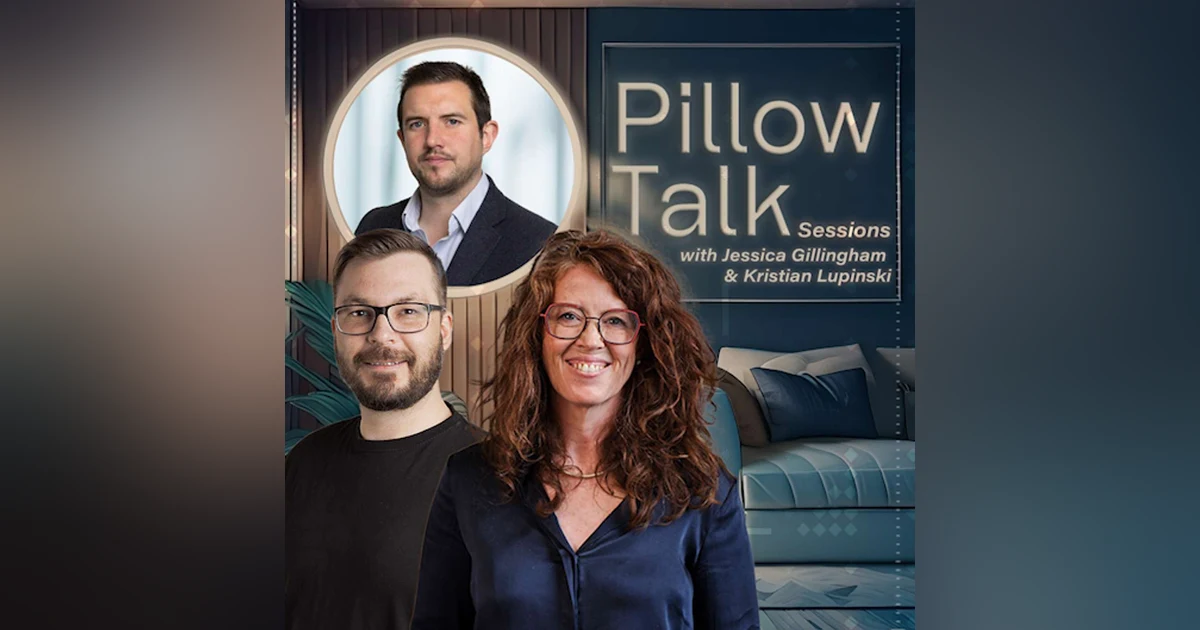
This week on Pillow Talk Sessions, hosts Jessica Gillingham and Kristian Lupinski welcome Ed Ellerington, Founder & CEO of Packaged Living, to explore what it really means to bring a customer-first, tech-smart, and vertically integrated mindset to rental housing.
💡 In this episode:
🏘️ Why the UK needs garden living and better single-family rental options
🏨 How hospitality principles can elevate resident experiences without over-servicing
🧩 Why flexible tech platforms are essential for future-proofing operations across asset types
🌍 What makes Spain the ideal launchpad for flexible, mixed-length stays in Europe
🤖 And where AI will help optimize ops while keeping human interaction at the core
From cultural nuance to tech stack strategy, Ed shares a grounded, thoughtful roadmap for the future of rental living.
Meet the host of Pillow Talk Sessions
Jessica Gillingham is the Founder and CEO of Abode Worldwide, a strategic public relations agency dedicated to elevating the profile of transformative technology solutions in global hospitality, lodging, and rental living. An established industry thought leader, Jessica is a frequent conference speaker and author of Tech-Enabled Hospitality, a new book exploring the innovations shaping the sector.
We're really looking forward to having joining us before we get back into our discussion. I'd love for you to give an overview of package living for our audience, but also yourself as well and kind of how you got into the living sector.
SPEAKER_03That's great. Well, thanks, Jessica, and I see Christine as well. Yeah, so package living really started now seven years ago. My background historically was in banking, so kind of starting the banking sector pre- pre-GFC. And really kind of looking back in those days, a lot of what I was doing was focused on real estate, but residential didn't really kind of come up in those kind of conversations. It was very much commercial-driven real estate. So if I fast forward to kind of when I suppose Reszi and Built's rent really started to become quite a major thing for me, was 2010 when I joined Granger, and I kind of worked there for almost a decade, with a view of kind of first of all in Germany, retirement living, and then finally kind of coming to the UK as Bilk's rent really took off in kind of 2012-13. So worked for a long time there on the investment side of things, doing a lot of forward funding, and had very much seen that transition from kind of small-scale developers doing small-scale residential buildings to really starting to see institutional capital coming into that market. And that really kind of led to thinking around package living and setting the business up, which was how do we conduit that capital into a significantly growing space in the UK? And the package today has really gone from a startup seven years ago now to today, where we're just under 6,000 homes across the UK. We invest, develop, and operate. So we take everything from kind of unconsented land, gain planning, design it, develop it, and then ultimately operate those homes for long-term institutional partners. And really the business has seen that growth. It's kind of lived with the growth of the built-in sector. And I know we're going to talk a lot more today about how that kind of sector's changed, but the package really has kind of grown up as those changes have happened in the Eco.
SPEAKER_02And you have Ed, you have different assets, though asset classes, don't you? So you have what you call your garden living, you've got the urban multifamily, and then the single family home as well. Do you want to just sort of give us a little bit more background about that diversity that you have?
SPEAKER_03Yeah, so built rent, kind of we go back 10 years ago, was very much focused on multi-family. And when we talk about built rent in the UK, most people think about multi-family. So apartment blocks and city centres that were kind of, you know, originally a lot of them were bite-lets, kind of changed and adapted to try and be more institutional stock. So that's probably still the largest space within within the built-rent space, and it's still the largest part of our business. So about three and a half thousand of our homes are currently in that in that sector. So kind of larger, higher rise apartments in the top 20 towns and 50s, that's multifamily. Over time, we as a business and the sector have slightly kind of grown out from that. So the the second part of what we then started doing was single family housing. So, and that's now become a pretty major growth space in the UK BTR space. Um, so we currently have around about one and a half thousand homes that we've developed and are operating, um, and they are you know traditional houses in suburban locations on the the edge of towns and cities where people buy houses off the house builders. We currently bulk buy those those house houses off the house builders. And then in between the two parts of the sector, which we've really seen kind of grow, is one is co-living. So that's kind of for us, that's studio apartments in city centres. And for us, the differentiator between multi-family and co-living is that we believe co-living really only works in the kind of the internet, top international cities. So for us in the UK, we're only doing that in London. We can see that growth of that kind of market into Madrid, Paris, you know, and New York, Tokyo. We don't necessarily see that growing as a major space into other UK cities. Um, and then the other kind of part where we're seeing real growth at the moment as a business is what we're kind of calling the missing middle between these kind of high-rise apartment buildings and city centres, so multifamily and co-living, and more suburban houses where families, generally with younger children, are living. There's this kind of missing gap where you don't want to live in the city centre, you don't necessarily want to live in a one-bed apartment anymore, you want a bit more space, but you don't necessarily want to move out to the suburbs, and we see that as where garden styles, as we call it, is really fitting. It's kind of a fringe urban product, it's a mix of townhouses and apartments, lower rise apartments, there's green spaces, but there's also that amenity and service offering that you're still finding in multifamily, and you're on that kind of edge of the city with all of the things that brings. So we really see ourselves kind of at the moment doing everything from say co-living your first kind of home outside of a university right the way through to the longevity of a house where you're going to live with kids and you know potentially you know become a longer-term renter in that scale. The only two parts we're not really looking at at the moment in the UK are student and and retirement living on the two extremities.
SPEAKER_02Before we sort of kick into the main, I guess, topic of the podcast is why not student and why not the sort of later living?
SPEAKER_03Yeah, it's a fair question, and it's not necessarily choice. Um, yeah, the kind of student sector was probably the real early stage kind of sorry living asset that kicked off. So by the time we kind of entered the markets package seven years ago, student had had in many ways kind of grown up from being in pretty nascent small business to actually some pretty established larger players. I think we look at students today and we see that actually that again the the similarities between a living asset bill to rent and a living asset student are not are not kind of insurmountable. But the but fundamentally, I think out we see that opportunity outside of the UK where there's more nascent sectors. So I think we will continue to look at students. We might well end up buying more stabilised student um property, um, and we might well end up developing students outside of the UK, but but it was just a little bit more kind of mature as a market. I think retirement living is slightly different. So, you know, we we we look at retirement a lot in the UK, and we can obviously all see that the kind of grey pound is is there, and and fundamentally, you know, we've got an aging demographic. There's a lot of reasons why retirement living works. And I think certainly from a retirement for sale product side, we absolutely see how that works. I think there's a bigger challenge around the letting market of retirement, and not least because our view is that the properties that we provide, you know, there's a there's a general belief they're all for young people. That's just not true. You know, you can live in a in a in a built-a-rent building across that life cycle that we provide for many years, and you can interchange. So at certain points in your life, you'll need that kind of larger family home, and at certain points you might want to downsize and end up being back in the city. And just because you're over a certain age doesn't necessarily mean we should discriminate and go, well, after this age, you have to go live with everyone else who's this age. Up to that age, you can live with whoever you want, but now you've got to live with someone who's who's kind of the same age as you. It seems an odd kind of mantra. Um, and so I think our view is that until you need care, effectively, why would you want to be kind of slightly pigeonholed? And then I think the other challenge that comes with it is is that often there's an argument put forward in the UK that that effectively, you know, someone who hasn't who has who potentially wants to live there either hasn't been able to buy the home and therefore they're a forever renter. And again, I come back to kind of you know point one, which is well, if they're a forever renter, why would they choose to necessarily not just live in a multifamily or single-family home? And if they if they have managed to purchase, there's still a little bit of a view there that would I then sell and ultimately kind of go back to rental. Uh, that's I think it's still a bit of a challenge that we haven't gone to the UK. I think that would change with generations because I think as people become more used to renting and the upside of it, that's a positive. But as that's today, I still think that uh there's an elder generation view that if I have bought, why would I then put my money into a rental property? I'd just kind of move and buy again. So that's probably the reason why we haven't hit retirement at this stage.
SPEAKER_01That's interesting. And you know, welcome into the show. And um, you know, I I think we should jump right into the topic uh for today's episode. Um, but that whole background gives us a lot of stuff to what we're gonna be talking today. And the first subject we're looking at is you know hospitality principles and residential living. Um, you know, the rental sector has traditionally been seen as transactional, uh, but through this podcast, especially we're seeing the shift towards this more service-oriented model. You know, how do you see hospitality principles redefining what renters expect? And, you know, how are you guys at Peckage Living adapting across its different asset types?
SPEAKER_03Yeah, no, 100%. And you and you're 100% right. I mean, I go back again to that kind of early days of residential when I kind of first came over, and there was a real kind of mantra there that ultimately if you didn't hear from your resident, and it wasn't a resident at that point, it wasn't a customer, it was a tenant. And if you didn't hear from your tenant, that was a good thing. And if they didn't hear from you, that was a good thing. And and actually that's how the perfect kind of property management model worked, because you only heard from someone either side if there was a problem, and that you know that automatically creates a pretty negative viewpoint of what you're looking for, right? You're calling someone a tenant, they're not a customer, you're kind of ideally not speaking to them and they're not speaking to you. And and I think you know the problem with that is you then move forward into a much more kind of service-oriented world, right? That that model just doesn't work, it does create kind of second-class citizens, um, which is fundamentally the opposite of what you want to be achieving as a good provider of you know of homes. You want to be creating that ability to go back and forth, kind of hone your model, create value, and value creating you know is often best served when you understand your customer and can speak to your customer, you understand what's important to them and how that works. So I think there is a convergence with the hospitality sector, and partly because the hospitality sector is the closest thing we can get to when we talk about the primary fundamental thing that living is shelter, right? So, where do I where do I put my kind of head at night? Where do I sleep? Where do I have a roof over me? So, see, but you can look at that in other ways in my mind. You can look at the car industry, you can look at other things which provide services, you know, you look at kind of food and and restaurants and how that's all started to progress. And all of those learnings are coming now into the residential space. But hospitality is the easiest natural, it looks a bit like that because we all know that kind of living in an apartment is just maybe like spending a lot of nights in a hotel. Um, and there's nuances to that, and we'll come into that because I think there's a there's a danger you can become too much like hospitality, and what someone is looking for when they're living in their home is not necessarily what they're looking for when they're spending one night in a location, and that's important because that can have negative ramifications as well as really positive ones about service. But yeah, the whole of that service proposition is moving and it's moved far more towards the kind of hotel um kind of uh service immunity, etc.
SPEAKER_02It's such an interesting topic to kind of delve into, and and we sometimes sort of say on the podcast that it's like the hotelisation of real estate, you know, we sort of delve into that. But actually, the point you made is everything is service now, you know, everything is about the customer experience now. You know, whether that is going to the dentist or, you know, whatever it is, it's it's all it's there's been this sort of real shift. And I wonder if there will be an end to that shift or that that you know, butting up against it that we don't, as consumers, always want to be treated as in that way. You know, sometimes transactional is actually the way we want it to be. Um, but that's probably not exactly what what you were saying about how sometimes it's just not maybe appropriate and build to rent as appropriate, depending on the asset. Is that kind of what you're doing? Yeah, I think that's right.
SPEAKER_03I think there's an element of it's not always appropriate, partly because some of these assets, you know, just don't walk and talk in the same way hospitality does. So, you know, when we talk about co-living and multifamily, we're talking about on-site service provision, front of house, you know, an element of your life being curated. Um, when we talk about single family, we're talking far more about no on-site kind of service, no on-site individuals' human contact. It's much more about service provision that comes remotely. And so it's not appropriate to compare a single family home and a hotel, whereas maybe it is more appropriate to compare a hotel with a co-living unit. But I but I think the other part is exactly to your point, actually, it's the nuance of where service can become almost too much. So, and it's a really interesting thing that I think you know, we found in a number of our surveys over time that there's a cultural thing to that as well. So, you know, the US, where all of these kind of you know multi-family and build-trained ideas kind of stem from is such a service culture where everyone expects that service, and it's almost a day-to-day requirement, you know, that you you always kind of find that you know your server at a table will introduce themselves, tell you what they like, how they'd like to eat, what they'd want to do. We found in the UK that's very different, but people don't necessarily want that same level of interaction, and so therefore it becomes much more nuanced about well, actually, how do I treat everyone so they can have the service they want, but I'm not pushing service for the sake of pushing it. It's it's more personalized, it's more understood, it's more a bit more discretion to it. Um, and that's about getting to know people, and it's much harder to get to know someone when you're running a hotel because just by the turnover and the individuals that are coming in, so you have to create models which effectively work for the mass, not for the individual. Whereas once you build communities like we're building, and you have people living in these homes for a long time, you've got to build relationships, and that's a very different service offering. About some people don't want me to ask every time they come in, are they having a good day? Some people don't want to know that you know I brought someone home that wasn't there yesterday and make a point of it. You know, it's it's it's it's very different, and that and that's kind of that's so often with with rental homes. It's about the teams that you have there and the people that you put in there, rather than just going, these are the very kind of strict lines that we run, which is more hospitality, this is how we do it, and it works for most people, so let's run it that way. There isn't necessarily a most people when it comes to how you live your life, um, and that's very different in rental homes.
SPEAKER_02And I guess it's meeting residents where they're at as well, isn't it? And how do you do that at scale? So so you talked about you know building relationships, relationships not always, but can typically be one-to-one. It can also be one to many, of course. But how do you how do you do it at scale? Like, how do you make sure that you meet your residents where they're at at scale? And then also if you're thinking about further down the line as you continue to grow.
SPEAKER_03Yeah, no, 100%. So you're right, it comes back to that interaction. So interaction with individuals and humans is easier because you have the ability to sense that and understand what someone wants. So in multifamily and co-living, where we have you know set teams, we have a general manager, we have the kind of the wider group, they'll get to know the people in their in their buildings and they'll get to know the people that want to have that interaction, like to have someone to talk to, want someone to know more about their lives, and those, and those residents and customers that don't, that actually kind of don't really want those things or want to be kind of left to do their own thing. So it's easier to understand that in that scenario, meet your customer and understand where they're at in their life, in their what they want and how they want to be treated. Much harder when you come to single family where you don't have that interaction, and therefore, that's much more about trying to understand trends, trying to understand actually how do I how do I make things as easy as possible for you to interact without kind of you know having someone on site every day. We still do that, so whilst it's it's remote, we still have people on those sites who do the walk around, they're there on a weekly basis. You know, you're able to kind of have the conversation about this I like, this I don't, but it's relying far more on that remote piece. And and the big change that I think when we look at that you know over the last say decade and a little bit beyond is you know, when BuilTorrent really kind of came in the UK in 2012-2013, we didn't have the technology to do that, right? We didn't have the AI, we didn't have the ability to find all these touch points to understand the data that was coming out. And I think that's where it's massively changed now, the ability that people can interact and you can interact back, but en masse, um, find what works and then then run that trend accordingly based on the individual. Um, and that yeah, that's I think only going to progress. Um, and it's it you've got to be careful again, not to pigeonhole people, but effectively you start to understand each and every customer. What are they using most? Are they using the kind of chatbot? Are they using, do they still like phoning in? Are they waiting a week and then having a conversation? In which case that person walking around the site, then potentially they want to focus on be hanging around more of the places where we find the individuals that come out of the house and go, I'd just like to talk to you about this. Or yeah, as opposed to actually these individuals here are always using the kind of online services.
SPEAKER_01And I I think we should dive a little bit into that um technology side of things. Um, you know, you guys have taken a clear stance on tech integration, you know, with a single flexible platform strategy. You know, what are the biggest challenges you guys are finding and benefits of this approach? And you know, how do you ensure it scales across such a diverse portfolio, you know, from co-living to single family rentals?
SPEAKER_03Yeah, no, 100%. Yeah, you're right. And and look, we we have taken a bit of a view that that you know we we want a platform that can scale because it is more open-ended. Um, and I think you know, if we look again back into the systems of the past 10 years, they were very closed-ended, singular, singular module, yeah, you effectively bought into the entity, very hard to flex, very hard to change. Yes, you've got maybe what was seen as best practice in the way that a PMS system might work, but you have it was pretty rigid, you know, the ability to bring in the accounting software that you wanted, etc. The beauty, I think, of where you know the tech world, which I don't profess to be any kind of expert in, but what we've seen just generally is more open-ended structures, the ability to kind of build start half of the platform that you need with a with a centralized system around it, and that flexibility is ultimately where we've got to. I think the challenges that come with that is that you do need specialists in the business. So, you know, we're lucky in the fact we have that. So, as a group, you know, we're backed by a large institutional investor in Fiera Capital. Um, we have that kind of ability to understand the tech stack and what that and what that needs to look like and how that integrates. So we're not relying on third party fully to kind of run and operate our systems. Um, and then the other challenge of that is you you're constantly because it is open-ended, you are in danger of sometimes having too much choice and and sometimes kind of you know following the wrong flag because you think that's where it's going to be. And that that kind of is a very easy mistake to make. We're changing too much because every time a new trend comes out, we think that might be the trend. And so we jump on that bandwagon. When you have much more rigid systems, it's a much harder thing to do because you're effectively going, well, if we want to follow that system, then we are going to have to basically press the nuclear button, get rid of this system, and move to it. Do we want to make that wholesale change? And that's such yeah, if you don't have to make a wholesale change, it's much easier just to end up becoming a bit of, you know, kind of tweaking this and tweaking that, and that you've got to be careful of that. So that's the challenge with it. But generally, as a system, we think, yeah, having that ability to scale um and bring in different formats of different elements of PMSs to put into one system is a better better route.
SPEAKER_02It's such an interesting point that you know, if you if you can't change, you're much more considered about what change you might make. But if if all the candy in the candy store is free to you, you're going to just kind of take the bits, even if it's not necessarily good for you.
unknownYeah.
SPEAKER_02When it comes to your own tech stack, how are you sort of evaluating and measuring what you already have, what what you might need, what you've you kind of maybe bought into, but then decided no, that actually isn't, you know, we're not using it in the way that we that we need to or thought we might. Like, how are you kind of measuring and evaluating?
SPEAKER_03So we're we're quite early in our in our sales, in our in our process, in the sense that you know, effectively we we started operating realistically three, four years ago. So therefore, the systems that kind of we've got in place today, we're very comfortable with. We've they've been built for purpose. You know, if I've taken that back 10 years, we'd probably be sitting there right now going, we do need wholesale changes. But a lot of systems we've brought in, and this comes back to the hospitality point, a lot of the systems that we actually now utilize have actually come out of the hospitality sector. Um, so the ability to see data real time, to be able to be kind of price flexible, to understand you know, surges in demand and drop. A lot of that comes out of you know the booking.coms, etc., that feeds into algorithms that 10 years ago we didn't have in living. So I think you know, if you ask me again in another two, three years, there's going to be some mistakes that we've made along the way and learnings we have. But but again, coming back to that evaluating piece, very hard to evaluate unless you have a specialist in your business. You're able to go, well, I know you'd really like this, but if you take this, then you also have to take that, and that isn't always necessarily a positive. And understanding that weighing up because it is very easy to go back to candy shop analogies to pick everything and go, Well, I have one of those and one of those, but actually put those two things together and it'll be awful. Um, so that that having specialists in your business is key. The key to having specialists though is that you're not necessarily asking them to build it. What we're not proposing is that we become a tech business. I wouldn't, you know, that's the last thing I want to do. Um, we want to have specialists who understand what they're using and they're able to consult and advise without necessarily going every two minutes. It'd be great if we went ran off and become the next bugle. No one here is wanting to do that. You've all got a day job.
SPEAKER_02Yeah, no, that's refreshing and and sounds very wise just to use the you know the expertise without then kind of building it basically, sort of using that expertise to evaluate.
SPEAKER_03And the big thing there, just just as well to add to that, is the flexibility, yeah, as you grow, you know, outside of in single jurisdictions is quite a big one. So, you know, we're looking now at moving outside of the UK and how you know what do we need both from a currency perspective to link to our accounting systems, and how does that differ from what we might really get? There's a lot of lot of changes that come. And again, you need that flexibility to be able to do the add-ons that might might come over time. And and certain parts, you go back to the point you made earlier around you know the the increasing width of the living sector, something like co-living, you know, in a lot of cases is more or less hotel kind of operating system versus single family, which is which is not that. It's it's much more in single family about some of the linking systems that need to work, as opposed to like almost the booking system end of it, which is kind of co-living and that flex living style which we're now seeing on the continent.
SPEAKER_01Gabe, it's a good segue into the next uh topic. As you mentioned, though, with a potential move uh outside the UK and Europe uh and starting with Spain, as you mentioned, um, in a flex living model of blend, short-term uh short-day hospitality, longer-term rental licensing. You know, what what do you think is driving this convergence in the flex living? Uh and are you seeing you know the traditional boundaries between asset classes continuing to blur?
SPEAKER_03Yes, yes. I think to answer your kind of final question first, yes, we're seeing blurring. I think this there's two reasons for that. So one is the perhaps more Machiavellian elements, certain jurisdictions to do with their licensing, planning laws, etc. The ability to build kind of housing at scale has challenges, and Spain is probably one of the places that has that. It's looking at actually how much kind of residential land is it bringing forward, how can it look to bring in other zoned areas into a living type asset? And so there's some of that going on in flex, and there's similar kind of challenges in other European jurisdictions I'm looking at. So there's that part of it which is driving how do we think outside of the box slightly. But then there is just a natural piece where we're going, people do want to be more flexible, they do want to try more before they buy, they want to move to cities and have an experience in the city without necessarily going, I'm now wedded to the city for the next three years on a long-term lease and I can't move out. So that ability to kind of go, well, I might be here three months, I might be here five years, I don't know which yet, and I'll see how that goes. That's increasingly the requirement that you're looking at under these properties. And I think that's only going to change more, certainly in the UK, we'll bring back the UK on some of the kind of reforms and changes that are happening in our in our rental acts, etc., that actually people are going to have potentially even more flexibility to kind of go, I'm I'm kind of, I don't even want to be here anymore, I'm going to move to this one, move to that one in a way that you need to keep up with that. And that's that's a challenge how you keep up with it. Um, but yeah, certainly from uh when we look more widely at the sort of the European growth of living assets more generally, you know, the UK is pretty advanced in its in its living, modern living, built-to-rent kind of aspects and its student housing. In other ways, it's it's far, far behind the continent in terms of the idea of rent. So we've kind of got this slightly odd Americanized model, but we actually haven't got a natural rental market that understands this idea of kind of brand and positioning. If you ask most people on the street, do they understand what built to rent is? They probably don't. They probably don't know the operator that they're living with in a way they would in the US. But they do, they're starting to understand a bit more about rental. Whereas you go to the continent, the question's probably sort of the same. Do they understand the brand and who they're living with? No, but do they understand everything about rental living and why they would rent or live? Yes, because it's the norm. So there's you're you're trying to find those flexes that go, well, this is a way of increasing the rental product and the branding and the kind of overarching piece of the package living bring, but in sectors where the rental market is more understood, and therefore there's a there's an appetite for that kind of more service-led, newer, shinier kind of prospect, which has a more hospitality leaning.
SPEAKER_02It's it's interesting. So the flex side is being driven on on all parts. So it's being driven by developers, but also by the demand from the customers and then the operators are there to kind of make sure it happens as well. Sort of it's not coming from just one, you know, one headwind, I guess. It's it's coming from different angles, all the push towards it, the demand for it.
SPEAKER_03Yeah, and the and the part I think is quite interesting when you look at that is the ability to create, because flex is effectively, you know, elements of it's almost like a hotel, short stay apartments, and then the side of that is longer living, more like a kind of so it's co-living into multi-family. And the reality is that some of those communities, the ability to create the right amenity is to some extent being paid for by the kind of hotel guest. So that kind of you know, higher overnight rent is able to deliver something that actually is the benefit of the wider community in itself. Equally, the wider community itself provides benefit of probably a slightly better member of staff because actually they enjoy running that community more than they may do in a kind of very transactional turnover hotel market. It creates in many ways a nicer feeling because it feels like someone's home. So, actually, because it feels like someone's home, you get a nicer, warmer feeling about your host. So, that ability to kind of integrate the two, there's quite a lot of benefits to that. And it's not something we've necessarily really seen in the UK or done in the UK, but certainly, you know, we're seeing that now in the Spanish market at scale.
SPEAKER_02You're actually the first person that's mentioned that or kind of come with that angle that we've had on the podcast about how they're kind of helping each other in a way or what they're both bringing to the table.
SPEAKER_03There's a there's a lot of chat, I think, whenever you talk to people about the negatives that come from this, right? So hotel guests using and abusing a place where someone lives, you know, having all night parties because it's it's a it's a hotel and therefore you treat the hotel regularly to how you treat your home. And I don't get me wrong, that that isn't incorrect, and that's why you need good management and you need to understand how you deal with that and actually how you kind of curate your buildings so you don't necessarily put a load of hotel guests right next door to you know a small young family. It doesn't, you've got to make sure you've curated it correctly. But yeah, but the benefits a lot of people forget, which is actually, you know, that swimming pool or that element here is fundamentally paid for by the guests that are coming in overnight because of the rate they're paying, means that you can then effectively create more affordable with a small A homes for the people that live in that community longer term.
SPEAKER_01So there are benefits. I I want to talk a bit about um uh another subject here. You know, during our discovery call, you guys emphasized that while amenities may vary, you know, the service quality remains consistent across your development. Uh so my question is how do you define good service in rental housing today? And you know, what impact does it have on retention and asset performance?
SPEAKER_03Yeah, no, it's a good one. And and look, when we first set up the business, I remember kind of pushing quite heavily that we should always be service heavy and amenity light. Um, I think my my mind has slightly changed over the seven years. I wouldn't necessarily say that we want to be amenity light. I'm not sure that is the right approach, but but the service heavy is still fundamental. And I and I think you're right in the way that amenity seller building day one. So when you first move into a block of, you know, whatever it is, 300 apartments, what's the initial wow factor? I mean, you walk in, good entrance, bright, double height, feels nice, feels safe. You walk in, oh, it's great. And by the way, we've got a really nice gym and everything that sells you a home. Um, and but what actually retains you in that home is then if anything breaks, how quickly do people respond? How well is it managed? You know, when I have challenges, do I can I get a hold of someone? Does someone actually care that you know last night I couldn't get into my room and whatever? Those kind of things, right? That that's important. So you can never lose the service heavily. Um, and actually get service right, it you know, it's the most powerful thing in any building. And that doesn't necessarily mean that you get everything right first time, right? We all we've all experienced that where you've had a problem, you get good customer service, and actually you end up kind of recommending it because the customer service was so good, even though the problem potentially was still default in the first place, you can't go beyond that. And so, you know, we can't guarantee that things won't break, things won't go wrong in these buildings, but it's how you act quickly, responsibly after that. Um and communication, right? The biggest piece of all of this is always communication. Things don't necessarily can't necessarily be mended instantly, but the communication of when what is being done, how is it being done, will it when will it be resolved, what do I have to do while it's being resolved? Those are the really important bits, and and that's hard to find in the UK, certainly at the moment, people who've done that in many other areas than hospitality because hospitality is the natural piece that you pick up from. So, you know, how do you continue to do that? Part of this is about finding and retaining the right people and building a better operational kind of team staff because we don't really have it. Um, and that that comes down to not only us as a business but as a wider industry. How do we incentivize operational staff? How do we find career paths for people that don't go, well, one day I'm on reception and the concierge, and the next day I'm trying to run the building and I just happen to be here long enough, that's happened. Like, where how do we create the spent masks? We've got all of that investment and development. Operations has always been the bit that's needed to catch up. Um, and it's also always been seen, you know, for the thing that's actually the most important part of a business that takes a long-term view, such as we do, the most important part to get right. Because if you don't get that right, the whole business fails because ultimately everyone can look at that part and go, you're not very good at that. If you're not very good at that, then you're probably not very good at building it. If you're not very good at building it, then have you bought the right thing, it all very quickly can collapse. So, you know, it's the easiest bit to get wrong, it's the easiest bit to kind of scrimp on and try and save on. Um, and it's often the yeah, in the in the hardest way, it's often the lowest paid people that are doing that work, but it's the most important part of the business.
SPEAKER_02And how do you know when you're getting it right? And and do you feel at package that you you are getting it right for the most part? Or is there more for you to learn?
SPEAKER_03There's always more. Um, yeah, do we feel we're getting it more right than we're getting it wrong? Yes. Um, do I still kind of see things and say we've got that wrong? And then how are we going to very quickly fix it? Yes. Um, so so I think, and and the the easiest way you still see that is is feedback, you know, and that and not false feedback. The problem with feedback is generally you only really hear when something's either been incredibly good or it's generally just not quite good enough. You miss the you know, the kind of middle percentiles where it's been okay and it's been better than average, or it's been kind of reasonably good. No one ever really rings you to say it's been reasonably good this. So you've got to be careful how much you you see that. But a lot of it is still coming out of things like you know, home views that are really powerful tools, right? That again, going back 10 years ago, how did you kind of show your displeasure or your satisfaction when you lived in a rental property? You didn't. There wasn't a way to do it by having kind of trip advisor-esque products now. There's something genuine there, and yes, you'll still get the two extremities, but there's you can start to see general trends appear. And what I also find, again, coming back to people, is that you'll find generally people get named in those kind of things, right? So if you're the best general manager, the theme that you'll continue to see that person almost named as in they've been great, they're such a good person. And that's how you then need to kind of hang on to them and go, okay, well, how do we take them and realize how do we create more of that? What is it that they're doing right? What is it that's that feedback loop? Um, but yeah, it's all about communication, and the more tools you can have to communicate the better. And then it's about what do you do with it when it comes in? How do you how do you stem that down? What is it, what does it change? What is it in the change? Um, and that's often the bit businesses I think get wrong. They get all the data, they get all the communication, and they go great, got all of that. Now I have no idea what I'm doing with it, and I'm not actually going to use any of it, but it's really good to have it. Um, and yeah, collection versus usage are often the things that I think operators get wrong.
SPEAKER_02Yeah, I guess it is the hardest thing though, isn't it, is to take action unless it's like an immediate crisis that's happening or an immediate challenge to kind of take that action. Reflecting on something you said that you know, often in the reviews, if it's a really good person, that that person will be named the general manager. And actually, that is very frequently what happens in hospitality as well. They call out a really good concierge or a really good reception person, you know, is is often the way as well.
SPEAKER_03I think the challenge with that, and it's it's the challenge in any business, right? Is that you often take someone who's very good at their role, and because they're really good at their role, you promote them because that's naturally what you do. And then you end up with someone who was very good at in a certain role, who's now in a very senior position, which has nothing to do with the role anymore, and they're now managing other people, which they're maybe not so good at. And so that's my point around creating a breadth in the operational sector where you can be, you know, you're incentivized as much to stay in certain kind of customer-facing roles and processes and how you do that as you are about becoming the head of asset management, which actually maybe has far less to do with the people or and far more to do again with the building. And so it's trying to make sure that you keep the right people in the right jobs in the right place, but they're not feeling they've got stuck and they're not being incentivized and appreciated in that in that role. And that's that's hard because until you have a wider understanding of the space and it needs lots of operators to kind of act and work in the same way, it's hard to do that in a kind of vacuum. Um, and it's also hard to do until you get scale. Because you know, if you've only got a few hundred homes, actually, how do you create all of those roles and kind of plans and incentives? And you know, that all takes time to get to a scale where you can look across the platform and go, well, actually, we do have X hundred staff, and therefore we can create kind of unique HR plans for people that that put you in certain areas that yeah, it does take time. Um, and whilst I think filter rent as a whole in the UK now is getting starting to get into that kind of scale, it's only really starting to hit that kind of scale in the last few years.
SPEAKER_02Yeah, I think that's also a point that's across many sectors and industries that you were saying there.
SPEAKER_03Yeah. Um yeah, completely yeah, good at your job doesn't necessarily mean good as a as a manager. Um and that's yeah, yes, that's there's nothing new in that.
SPEAKER_01Uh I think we should move on to our final topic of today. Um, and as you mentioned, you know, how things have changed in the last decade. Let's look ahead uh five years from now. Let's just start with that. You know, for for operators, um you know, what do you think or what do you believe will define the most successful rental operators? And you know, what investments do you think the industry should be making now, today, to stay relevant for the next generation of renters?
SPEAKER_03Yeah, it's interesting. I mean, so there's there's the easier answer, which I guess is you know, the ability to try and remain as flexible in the buildings that we create, right? So that's one thing we're always looking at, longevity of our buildings. So are we putting fixed things in there that are going to be very hard to kind of you know reverse out in five years? You know, are we putting in fixed DVD players that no one's gonna use in 20 years' time and then we've got to rip them all out? Are our heating systems the right heating system? And that's hard because there's a lot of pressure at the moment on things like air source heat pumps. And are the air source heat pumps we're choosing today the air source heat pumps that are going to be still viable in 10-15 years' time? So there's there's always that challenge, and that yeah, again comes down to an element of judgment and hard to do. Then there's the actual things that I think you have more control over, and that probably comes to repeating my previous kind of answer a little bit, which is investing in the right people and incentivizing them. Because I think the difference between those who continue to grow and continue to kind of you know prove their worth in this space will be those who have the best people, the best systems, and and they come aligned. To do that, you have to scale, and that's the biggest challenge is you know it to try and scale and put those things in place at the same time is difficult. Um, but I think if you know you're trying in the hotel space, going back to that hospitality, you can kind of do both, right? You can be really niche and really high-end and create kind of people that want to work in that kind of part of the world, they want to be in that kind of product and that kind of asset. You could also then go the other end and you can go kind of bulk and you can go cheap, and there's there's different types. Problem in build-to-rent at the moment is that we haven't necessarily distinguished those kind of this is we may have got now starting to be asset classes, so there's the multi-family, single family on stuff, but if you go around most multi-family, they're either generation one, which was accidental built-to-rent, or the generation two, which was purpose design, but the actual quality of what's in there is pretty similar. So, unless you can create more of those tiers, but then create more opportunities for people to kind of create different types of roles in those and different types of people, that's quite hard to get right as well. So I think it is about training, it's about bringing the right people in, it's about scaling the product. If you can do that, that will differentiate between those who can and those who can't. And finally, I think it's about vertically integrating. So the one thing that I think is really powerful about our business is that we invest, develop, and we operate. So we by by being over all of those elements, that actually drives so much of our efficiency, it drives so much of our know-how because we've got a continual loop. So the operators sit, you know, our head of operations sits in our investment committee and they hear exactly what we're kind of humming and harring over, investment decisions, and they're able to feed into that and say, Well, look, it might be the worst thing you can think of right now from a CapEx perspective, but from an OpEx perspective, running this for the next five to ten years, it's going to be it's going to be game-changing. And so having that kind of continual feedback loop is so important. And I think you only really get that feedback loop when you have when you have a fully verticated platform. Because I think when you're talking about third-party operators trying to talk to the investor, they listen a bit, but they don't really care because it's not the fundamental part they're really kind of focused on. Whereas when it's all one holistic business, what harms the front end and does and supports the back end might be a good thing, and we can make that decision from a senior from a senior kind of viewpoint. Um, so yeah, vertically integrated, scale and investing in people.
SPEAKER_02And do you, Ed, do you think about and I'm sure you do, but all the kind of changes with AI that we're seeing, just the political kind of changes that we're seeing, the sort of cultural changes that we're seeing? Do you how do you sort of how do you sort of anticipate or feel about that about changing things for you over the next eight, two to five years?
SPEAKER_03Yeah, I mean, again, yeah, as always, you can you can get very worked up, can't you, about what we may need to do over the next two to five years. Consistency of thought, I think, is important for strategy. So will there be changes in our business and will there be integrations we need to bring in? Yes. But that should that interfere necessarily with the kind of two to three year strategy of what we're doing, not necessarily, because the one thing we know is whatever we think we're going to do is probably wrong when it comes to tech and cultural changes. You're forever looking at the past, unfortunately, to kind of predict the future. So we do see trends that you kind of go, well, actually, we could do that better, and it's likely we could do that better because as tech becomes more available, it will actually start to do elements of that better. So, you know, taking things like cleaning rotors or when should we have the gym open and when should it be closed, when when's the downtime? You know, all of that kind of data that you can start to get through from remote access and key as false because it's starting to see those bits, what could really improve our decision making? That's important. But trying to predict exactly what the next trend will be is not impossible, which comes back to that point around how do you create the maximum flexibility in your building so that if a trend comes that we had no idea was coming, or something just happens, you know, COVID being a prime example, you know, that suddenly means the way that we have to live and the way we have to operate these buildings needs to fundamentally change. Have we thought about enough in terms of well, actually, can people live flexibly in here? Can we co-work? Can we co-live? Um, they're the really important parts. But it's it's it's hard to predict any of those things. The one thing I think we all know is that AI is going to become more and more sophisticated, and how do we use it without losing custom service, people touch, understanding what people want to talk to other people about. Um, and that's very easy to do, just to believe everything is just going to be tech run.
SPEAKER_01Yeah, it's all about the the human touch. That's one thing uh I'm sure we're gonna keep uh in the future as well. Um, Ed, you know, I got one more final question for you before we wrap up today. Um, if people are interested in packaged living or you guys have anything coming up or anything that our audience should know.
SPEAKER_03Well, I say we're we're an ever-expanding business. Um, we've gone from zero to six thousand homes now in in seven years. So we're constantly evolving our product. But yeah, we've got a big focus at the moment still on um single family. We believe garden style, as I say, which is this middle-middle is the real kind of future growth spur in the UK, developing kind of townhouses, fringe urban sites, and we can see there's a lot of interest in that type of product. Um, and then as I say, we're looking at Europe now. So believing that flex living product in Europe, which hopefully be developing over the next couple of years.
SPEAKER_02Thank you, Ed. Thank you so much for coming on together as well. I really enjoyed this conversation.


